Category: Articles

Articles on daily life, work, parenting, self-care, and movement with chronic illness.

  • Heat Sensitivity Hacks for Summer Baking

    Heat Sensitivity Hacks for Summer Baking

    Baking in summer can become less about the recipe and more about the heat. If a warm kitchen aggravates your symptoms, protecting your comfort may mean changing the timing, the method, or the menu itself.

    Plan around the hottest step

    Prepare ingredients in a cooler room if you can do so safely. Choose a time when the kitchen is less warm, and arrange a comfortable place to rest away from the oven. Ask another person to handle heavy trays or hot pans if dizziness, weakness, or hand pain makes that step risky.

    A small appliance may suit some recipes, but it still produces heat and needs the clearance, ventilation, and electrical setup specified by its manufacturer. Keep fans and cords away from wet surfaces, flames, and work areas where they could cause an accident.

    Give yourself a no-oven option

    Assemble a yogurt parfait, decorate ready-made cookies, or choose a chilled dessert. Keep foods that need refrigeration cold, including during preparation breaks. Making something smaller or simpler can preserve the pleasure without committing you to a hot kitchen for hours.

    If you feel unwell, stop rather than trying to finish before resting. Move to a cooler safe place and follow your care plan. Leaving a recipe unfinished can be disappointing. It is also a sensible response to what your body is telling you today.


  • Making Laundry More Manageable with Chronic Pain

    Making Laundry More Manageable with Chronic Pain

    Laundry asks for lifting, bending, reaching, sorting, and decisions. When pain makes those movements expensive, “just put a load in” is not a very complete description of the work.

    Make the load smaller in more than one way

    Use a lighter basket or divide a load before moving it. If someone can help, ask them to handle the specific part that is hardest, such as carrying laundry between floors. A wheeled basket may be useful on an appropriate clear surface, but it should not create a new trip hazard.

    Fold or sort at a comfortable height if you choose to do those steps. Clean clothes can also live in labeled baskets or drawers without being perfectly folded. Separate the need for usable clothing from the preference for a particular finish.

    Build a stopping point into the process

    Choose a load you can manage through washing and drying, or arrange help before starting. Set a reminder if forgetting wet clothes is a frequent problem. Keep detergent stored securely and within a reach that does not require climbing or painful stretching.

    A household agreement can make laundry less invisible: one person starts it, another moves it, another puts away essentials. You are allowed to redesign a chore instead of repeatedly proving you can perform it the old way. Clean enough, accessible enough, and manageable enough are useful standards.

  • Creating a Flexible Daily Pace

    Creating a Flexible Daily Pace

    A daily plan can be reassuring until it becomes a list of promises your body cannot keep. With fluctuating illness, a useful schedule needs room for uncertainty and for tasks to become smaller, move, or disappear.

    Plan from capacity, not the ideal day

    Begin with essential care and one or two priorities. Count thinking, conversation, travel, and emotional demands alongside physical tasks. Leave space between activities rather than treating every blank hour as available.

    If you experience post-exertional malaise, symptoms may worsen later rather than during the activity. The CDC’s ME/CFS guidance describes pacing around individual limits and notes that ordinary activities can trigger symptoms. Exercise is not a cure for ME/CFS.

    Use a flexible outline

    Try a loose sequence: breakfast and essential care, a pause, one necessary task, then reassessment. Keep an easier alternative beside demanding plans. A symptom note may help you notice patterns, but stop tracking if the system itself becomes too burdensome.

    Avoid automatic increases based on the calendar or the belief that a good day must be used fully. Discuss persistent crashes with a clinician who understands your condition. Pacing cannot promise complete control over symptoms, and a difficult day is not proof that you mismanaged it. The plan exists to support your life, not to judge how closely your body follows it.

  • Guided Imagery as an Optional Comfort

    Guided Imagery as an Optional Comfort

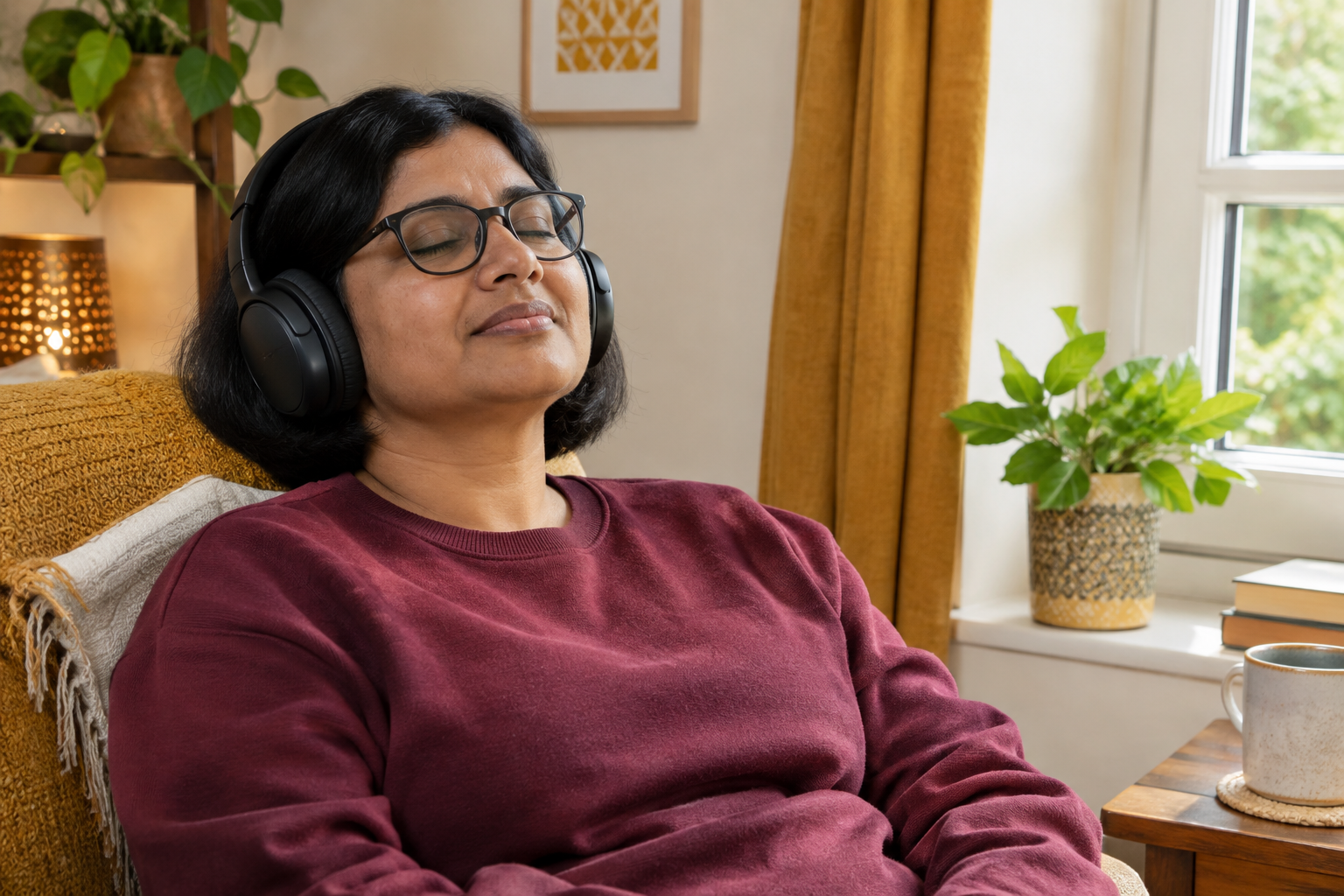
    Guided imagery invites you to imagine a place, scene, or experience that feels comfortable. It can be a quiet way to direct attention, but you do not need vivid mental pictures or a perfectly calm mind for the pause to be worthwhile.

    Choose something that feels welcoming

    You might think of a familiar room, the sound of rain, or the warmth of a mug in your hands. If visualization is difficult, focus on words, sounds, or a real object nearby. There is no correct image to produce.

    Keep your eyes open if you prefer, and choose an audio recording only if the voice and content suit you. Stop if the exercise brings distress, unwanted memories, or more discomfort. The NCCIH relaxation overview describes these practices as complementary approaches, with individual responses and limitations.

    Leave the outcome open

    You may feel a little more settled, feel unchanged, or decide it is not for you. None of those responses means you have done it badly. Avoid recordings that promise to cure illness or suggest that symptoms continue because you are not relaxing deeply enough.

    Keep medical care and prescribed treatment in place. Guided imagery can be a small optional comfort, like a familiar song or a quiet view. It does not have to become a daily assignment or another technique you must master.

  • Foam Rolling and Fibromyalgia: When Less Pressure Is Better

    Foam Rolling and Fibromyalgia: When Less Pressure Is Better

    Foam rolling is sometimes described as a simple answer to muscle discomfort. With fibromyalgia, pressure that another person finds pleasant may be painful or leave you feeling worse afterward. You do not need to tolerate that pain to get a benefit.

    Question the “good pain” rule

    The NCCIH fibromyalgia overview notes that massage for fibromyalgia should not cause pain and that evidence for complementary approaches varies. A roller is not a required treatment, and a softer product is not automatically suitable.

    Ask your clinician or physiotherapist whether pressure-based self-care fits your situation. Avoid rolling over injured, numb, swollen, or damaged areas, and do not apply pressure directly to the spine. The effort of supporting your weight or moving on the floor can also be significant.

    Give yourself permission to choose less

    If you have been advised to try a technique, use the agreed approach and stop when it is uncomfortable. Notice later effects as well as immediate ones. Do not keep increasing pressure because a tender spot has not “released.”

    A supported position, a rest break, or help reducing repetitive tasks may be more useful than a roller. It is disappointing when a popular suggestion does not fit, but that response is valuable information. Caring for a sensitive body does not require convincing it to tolerate a product that hurts.

  • Making Your Hydration Routine Easier to Follow

    Making Your Hydration Routine Easier to Follow

    Sometimes the hardest part of following a hydration plan is not remembering that water exists. It is lifting a heavy bottle, getting to the kitchen, opening a tight lid, or realizing your drink is just beyond reach when standing feels difficult.

    Remove one practical obstacle

    Choose a container you can comfortably lift and clean. A smaller cup refilled with help may be easier than a very large bottle. Place drinks where you actually spend time, on stable surfaces away from electronics and out of children’s reach when necessary.

    If reminders help, connect a check-in to something you already do, such as lunch or a scheduled medicine. A reminder can simply mean “notice what I need,” rather than “finish a whole bottle now.”

    Keep the medical plan personal

    Fluid needs differ, and some conditions require a restriction. If you have POTS, heart or kidney disease, take medicines affecting fluid balance, or have been advised to use electrolytes, ask your clinician what is appropriate for you. More fluid is not automatically better.

    Write down the plan in plain language, including what to do if you cannot keep fluids down. Avoid treating every episode of dizziness as proof you need another drink; new or worsening symptoms may need assessment. The aim is a routine that is easier to follow, not another daily scorecard that leaves you feeling behind.

  • Building a Flare Kit for Office Workspaces

    Building a Flare Kit for Office Workspaces

    A difficult symptom day at work can feel even harder when every useful item is at home. A small comfort kit may reduce some of that scrambling, though it should support your care plan rather than become a way to stay at work when you need to leave.

    Pack for your actual needs

    Consider a familiar snack, a manageable water container, headphones if permitted, a spare layer, and a written list of important contacts. Add items you already know you tolerate rather than experimenting during a flare.

    If you keep medicines at work, follow their storage requirements and workplace policies. Original packaging may be helpful, and secure storage matters where other people or children could gain access. Avoid leaving medication in a hot car or assuming a desk drawer suits every product. A pharmacist can clarify what is appropriate.

    Include an exit plan

    Know whom to contact if you become unwell, how to get home safely, and where you can sit or rest while waiting. Do not drive if symptoms or medication make it unsafe. If you need urgent care, the kit is not a substitute.

    Review the contents occasionally for expired items and changed needs. Keep it small enough that maintaining it does not become another burden. Sometimes a familiar object or an easy-to-find phone number is more useful than a bag full of products you never use.

  • Reclined Movement and POTS: Finding an Individual Starting Point

    Reclined Movement and POTS: Finding an Individual Starting Point

    If standing brings dizziness or a racing heart, movement advice can feel as though it was written for somebody else. Reclined or seated activity may be part of an individualized POTS plan, but being horizontal does not make an activity effortless or suitable for everyone.

    Begin with the right support

    Ask a clinician or physiotherapist familiar with your condition what is appropriate for you, especially if you also experience post-exertional malaise, joint instability, or significant pain. Johns Hopkins’ POTS guidance emphasizes treatment tailored to the individual.

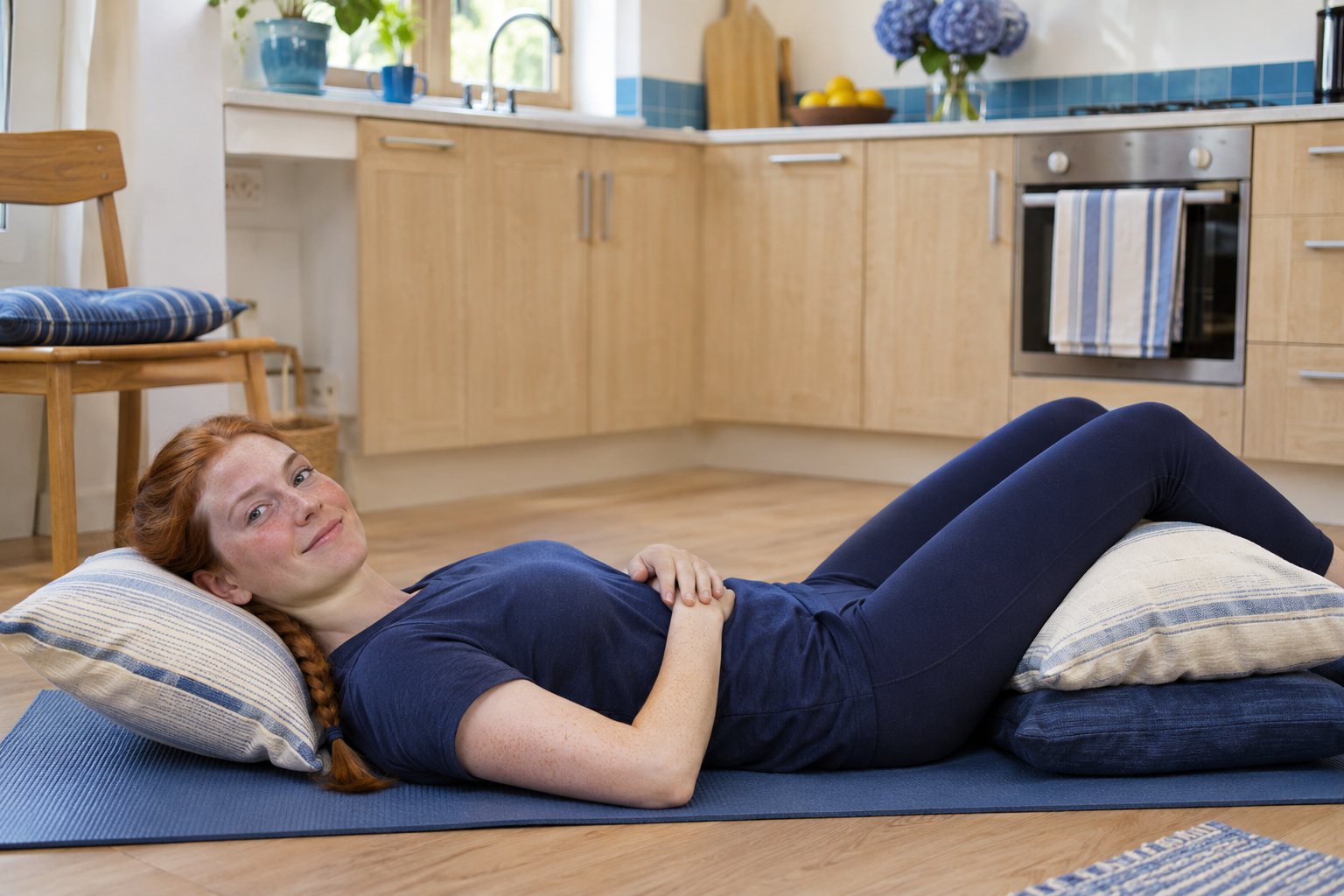
    If you have already been given a movement plan, arrange a supported position and an easy way to stop. Getting down to the floor and back up may be more demanding than the activity itself; a suitable bed or other clinician-approved setup may be more accessible.

    Notice the whole response

    Do not judge tolerance only by your heart rate or how you feel during a session. Pay attention to later symptoms and share changes with your care team. Avoid increasing activity automatically because a calendar or online program says it is time.

    On a difficult day, comfortable positioning may be all you choose. You are not missing an opportunity by resting. Movement is one possible part of care, and it should fit your health and your goals rather than become another obligation to prove you are trying.

  • Pacing Activity When Symptoms Can Flare Later

    Pacing Activity When Symptoms Can Flare Later

    It is tempting to use a better day to catch up on everything. When activity can lead to a delayed crash, that understandable urge may create a difficult cycle. Pacing is an attempt to make demands more manageable, not a guarantee that symptoms will stay under control.

    Look beyond the activity itself

    Include preparation, travel, concentration, conversation, and recovery when deciding what a task costs. A short appointment may involve far more effort than the minutes spent with the clinician. An activity can feel tolerable at the time and still affect you later.

    For ME/CFS, the CDC describes post-exertional malaise and individualized activity management. Generic exercise targets and fixed increases may be inappropriate; a plan needs to account for your condition and response.

    Make space for adjustment

    Break a task into smaller parts when useful, simplify it, delegate it, or decide it can wait. Keep a brief record of patterns only if that helps rather than adding another demand. A wearable may offer information, but a heart-rate number alone cannot tell you an activity is safe.

    Work with a clinician who understands post-exertional symptoms if you can access one. If a crash happens, respond with care rather than blame. Illness is not fully controllable through planning. You deserve support even when you have paced thoughtfully and still feel worse.

  • A Racing Heart: Where Comfortable Breathing Fits—and Where It Does Not

    A Racing Heart: Where Comfortable Breathing Fits—and Where It Does Not

    A racing heart can feel alarming, and advice to “just breathe” can be dismissive when the cause has not been established. Comfortable breathing may help you settle while following your care plan, but it does not diagnose or treat an abnormal heart rhythm.

    Know when comfort is not enough

    Seek emergency help for palpitations that do not go away or occur with chest pain, breathlessness, faintness, or fainting. Recurring or changing episodes also need medical assessment. The NHS palpitations guidance explains these warning signs. Use your local emergency service and do not drive yourself when unwell.

    If you already have a diagnosis and an agreed plan for familiar episodes, follow that plan. Do not improvise breath holds, forceful straining, or other maneuvers from a general article. Such techniques are not appropriate for every cause of a fast heart rate.

    Make the immediate situation safer

    Sit or lie somewhere safe if you feel unsteady, keep your phone accessible, and ask for help if needed. Allow breathing to remain comfortable rather than forcing deep or slow breaths. If focusing on breathing makes you more distressed, look around the room or listen to a calm voice instead.

    You deserve a clear explanation and individualized care. Feeling frightened does not establish that anxiety caused the episode, and being calm does not remove the need for medical attention when warning signs are present.