Category: Articles

Articles on daily life, work, parenting, self-care, and movement with chronic illness.

  • Unpacking Guilt Around Household Chores

    Unpacking Guilt Around Household Chores

    A basket of laundry can carry more than clothes. It can hold expectations about adulthood, partnership, parenting, and who you used to be before symptoms changed your days. No wonder an unfinished chore can feel so personal.

    Separate a household need from a judgment

    “We need clean plates” is a practical problem. “I am failing because the kitchen is messy” is a painful conclusion. Try naming the smallest actual need: a clear path to the bathroom, clean clothes for tomorrow, or food put away safely.

    Make three loose groups: essential now, helpful later, and optional. Folding towels might be optional. Moving something that creates a fall hazard might be essential. Your list can change with your household and your capacity.

    Make help specific

    Instead of waiting until everything feels overwhelming, try: “Could you take out the trash tonight?” or “Can we agree that you handle the heavy laundry basket?” Clear ownership can reduce the exhausting work of repeatedly asking and supervising.

    Some days there is no spare help, and that is genuinely hard. Convenience items, simplified routines, and lower standards may be necessary accommodations rather than choices you would otherwise make. Your worth is not visible in a spotless room. A home is allowed to show that people live there, including people who need rest.
  • Simplifying Skincare and Hygiene on Low Days

    Simplifying Skincare and Hygiene on Low Days

    On a low-capacity day, a routine that usually takes ten minutes can feel enormous. Hygiene can be adapted around what matters most today, without turning every skipped step into a judgment about how well you are coping.

    Choose a smaller version

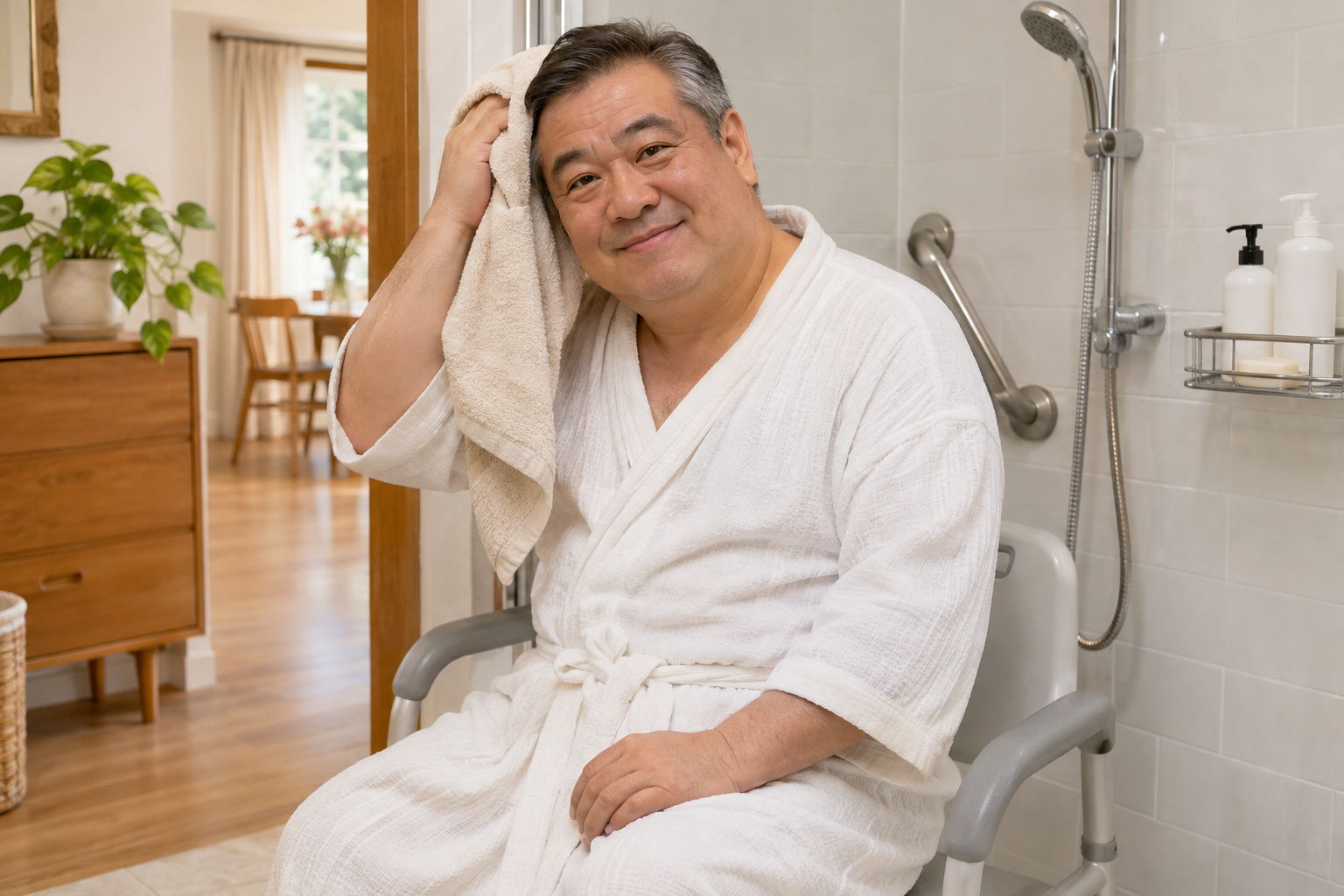
    Separate essential care from optional skincare. A washcloth, a seated wash, or a simpler product routine may be more manageable than a full shower. Use products you already tolerate, and avoid harsh scrubbing or adding unfamiliar ingredients when your skin is irritated.

    Keep supplies together in an accessible place. If a shower chair or other aid would help, choose equipment designed for the purpose and appropriate for your space. An ordinary household stool may not be safe on a wet surface.

    Make help less awkward

    If you need assistance, name the part you want help with and the privacy you want to keep: “Could you set out towels and stay nearby while I shower?” Support can be practical without taking away your choices.

    Follow specific clinical advice for wounds, skin conditions, dental care, or other health needs. If essential care has become consistently difficult, tell your care team and ask about support. You deserve practical assistance, not a lecture about motivation. A simplified routine can be a thoughtful response to limited energy, and tomorrow’s routine can be different.

  • Comfortable Breathing: An Alternative to Forcing the 4-7-8 Pattern

    Comfortable Breathing: An Alternative to Forcing the 4-7-8 Pattern

    Breathing exercises are often presented as a quick way to switch off distress. That promise can be discouraging when counting makes you tense or holding your breath leaves you lightheaded. A useful practice should feel optional and comfortable, not like a test you have to pass.

    You can skip the breath hold

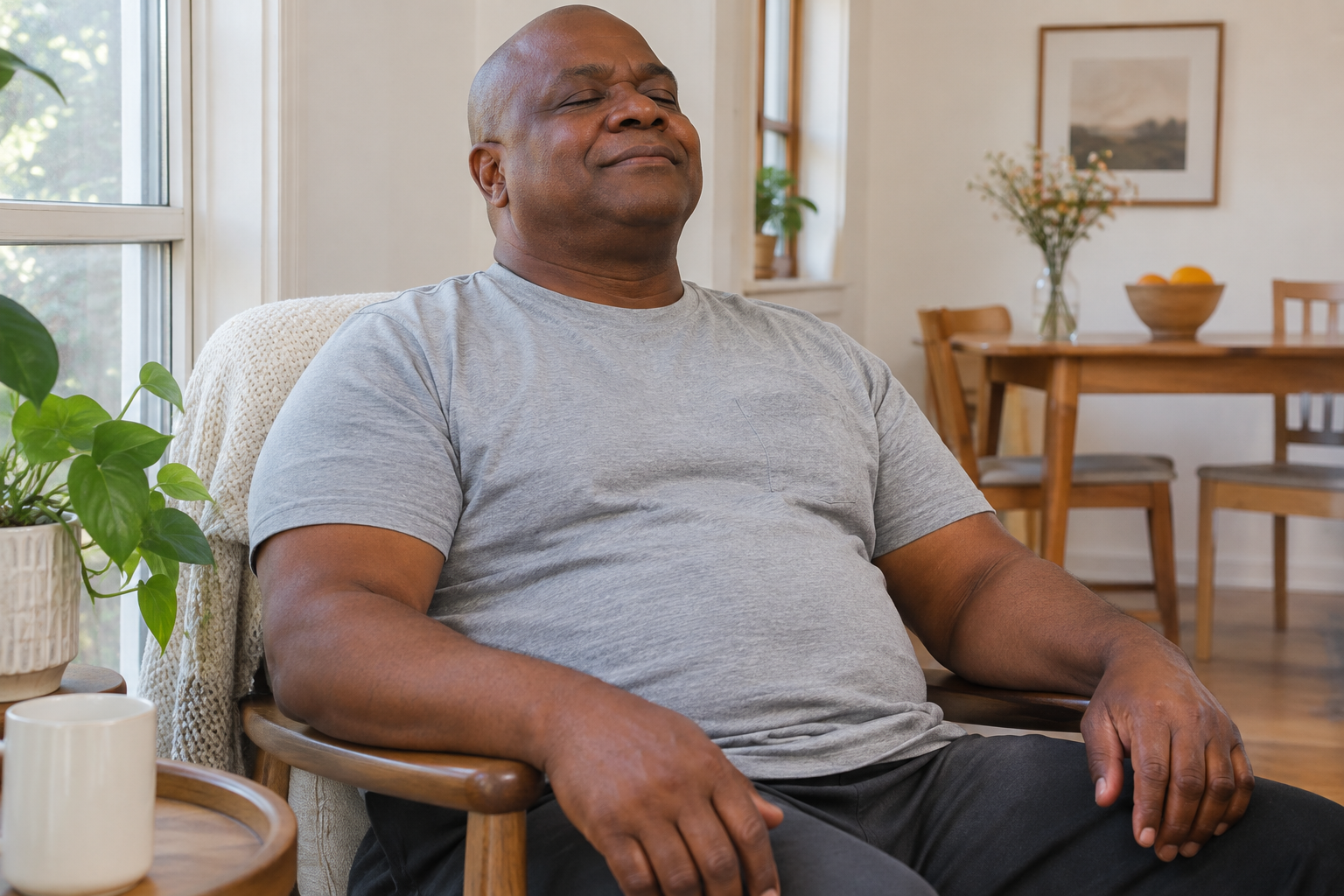
    The popular 4-7-8 pattern includes a prolonged hold and a controlled exhale. It is not necessary to use that pattern to take a quiet pause. Sit or recline with support and allow your breathing to remain easy and natural. If counting helps, keep it gentle without forcing a bigger breath or a slower rhythm.

    Stop if you feel dizzy, breathless, uncomfortable, or more anxious. Looking at an object in the room may suit you better than concentrating on internal sensations. The NCCIH overview of relaxation techniques discusses their potential uses and limits; they do not replace medical care.

    Keep the aim modest

    Perhaps the pause gives you a moment before answering a message or asking for help. That is enough. It does not need to “reset” your nervous system or make pain disappear.

    If you have breathing or heart problems, ask your clinician about techniques appropriate for you. New or concerning symptoms need assessment rather than repeated breathwork. You are allowed to choose a different form of comfort, including one that involves no exercise at all.

  • Caring for Feet with Neuropathy: Why Heat Needs Caution

    Caring for Feet with Neuropathy: Why Heat Needs Caution

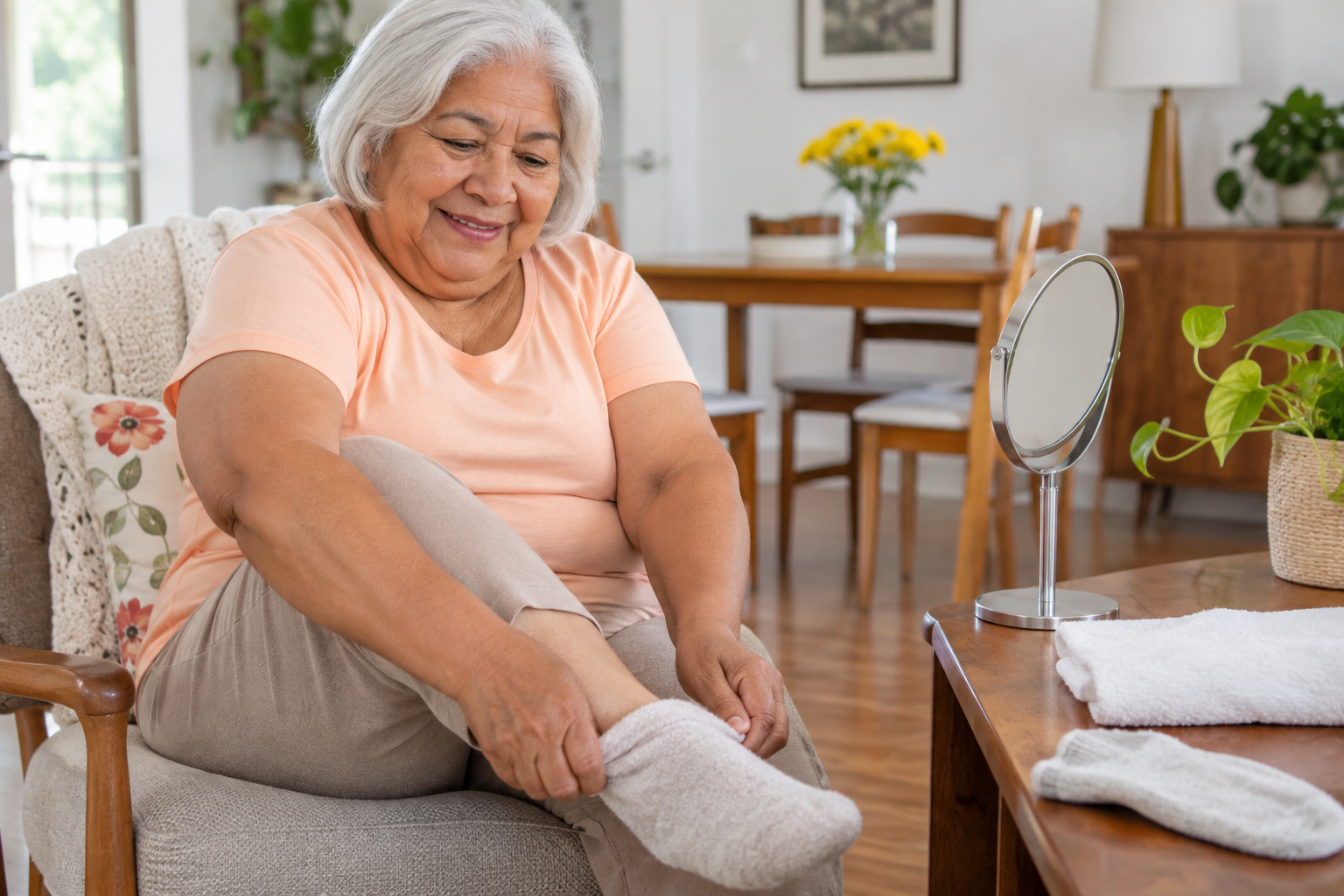
    Burning, tingling, or numb feet can make you long for something soothing. A hot soak may sound comforting, but reduced sensation can make it difficult to notice a harmful temperature. Foot care needs particular caution when neuropathy or diabetes is involved.

    Choose protection before heat

    Do not assume a foot bath is safe because the water feels comfortable to someone else. The NIDDK’s diabetes foot-care guidance advises against soaking and warns about heat sources such as heating pads. Ask your clinician what washing, drying, moisturizing, and footwear routine is appropriate for you.

    Inspect your feet as advised, using a mirror or help if you cannot see them easily. Keep suitable socks and footwear accessible. Avoid experimenting with hot water, essential oils, or massage devices to treat numbness or burning without professional advice.

    Take changes seriously

    Contact your care team promptly about a wound, blister, redness, swelling, or new changes in sensation, particularly if you have diabetes or poor circulation. A problem may need attention even when it does not hurt. Follow any specific instructions you have been given about urgent care.

    You deserve relief, and it is frustrating when a simple comfort measure is not suitable. A safer plan can still include gentleness: help with inspection, comfortable footwear, and treatment directed at the cause of your symptoms rather than another remedy to test alone.

  • Building a Cozy Rest Den in Your Living Room

    Building a Cozy Rest Den in Your Living Room

    A living-room rest space can make it easier to remain part of household life without sitting upright at a table or retreating to the bedroom every time you need support. It can be simple, practical, and built from things you already own.

    Arrange for easy reach

    Choose a comfortable seat or sofa position, then place a stable side table where you can reach it without twisting or stretching. Keep a phone, a manageable drink, and one enjoyable item nearby. Avoid crowding the space with supplies that become difficult to organize.

    Support your body in ways you tolerate and keep the route to the bathroom clear. Secure cords and avoid trailing blankets on the floor. Store medicines safely rather than leaving them accessible to children or visitors.

    Make the social rules comfortable too

    Let household members know what helps: quiet company, a lower television volume, or checking before starting a long conversation. Resting in a shared room does not mean you are available for every request.

    Review the setup after using it. The useful question is whether it reduces effort, not whether it looks like a photograph. If it takes more energy to maintain than it saves, remove something. A rest corner is a place to receive support from your surroundings, not another home project you need to finish perfectly before you are allowed to use it.

  • Evening Wind Down Routines for Pain Management

    Evening Wind Down Routines for Pain Management

    Evenings can be difficult when pain rises just as the day becomes quiet. A wind-down routine cannot promise comfortable sleep, but it can reduce a few avoidable demands and make the transition to bed feel less abrupt.

    Prepare a soft landing

    Choose two or three things that make bedtime easier: put water within reach, set out tomorrow’s clothes, or dim a lamp. Keep prescribed medicines on their usual schedule and store them safely. A routine should not become a long list you have to complete while exhausted.

    If screens keep you engaged longer than you want, try an audio option or a familiar book. If silence makes pain feel louder, quiet background sound may be more comfortable. There is room for preference here.

    Make comfort adjustable

    Arrange pillows so you can change position without rebuilding the whole bed. If you use a heat product, follow its instructions and avoid sleeping with it unless it is specifically designed and approved for that use. Skip heat on areas with reduced sensation or when your clinician has advised against it.

    Notice what helps you settle, without expecting a routine to erase symptoms. If pain repeatedly disrupts sleep, bring that pattern to your clinician; you deserve more than advice to relax. On a hard night, completing one small comfort step can be enough. You have not failed because sleep remains difficult.

  • Managing Doctor Appointment Exhaustion

    Managing Doctor Appointment Exhaustion

    Medical appointments can use an entire day’s capacity before the conversation even begins. Travel, waiting rooms, paperwork, bright lights, and explaining your history all count as effort. Planning for the before and after may make the visit a little less demanding.

    Bring a short, useful page

    Write your main concern, the changes you have noticed, and the questions you most want answered. Keep an up-to-date medicine list available. If your appointment is brief, put the most important issue first rather than hoping it fits at the end.

    Ask about access needs when booking: seating, a quieter waiting option, support-person arrangements, or a remote visit if clinically appropriate. Not every request will be available, but asking early gives the practice a chance to respond.

    Leave space afterward

    Choose an easy meal and reduce optional commitments where possible. Ask someone to take notes with your permission, or request written instructions. Before leaving, check who to contact with questions and what the next step is.

    If you come home too tired to process the visit, set the paperwork somewhere reliable and return to it when you can, while keeping urgent instructions on schedule. Appointment exhaustion does not mean you are doing healthcare badly. It reflects how much work managing illness can involve, including work that nobody else sees.

  • Unlearning Guilt Around Rest Days

    Unlearning Guilt Around Rest Days

    Rest can feel surprisingly difficult when you have learned to measure a good day by what you finish. Even lying down may become crowded with thoughts about messages, laundry, work, and all the things you believe you should be doing instead.

    Notice the rule behind the guilt

    Ask yourself what you are being told internally: “Rest is only allowed after everything is done,” or “Other people need me, so my needs must wait.” Those rules may be familiar without being fair or workable.

    Try replacing the rule with a practical statement: “My body needs a pause, and the list will still be there afterward.” You do not have to feel convinced immediately. A kinder sentence can be something you practice rather than something you already believe.

    Let rest be ordinary

    Choose a place where you can settle and reduce one demand if possible. Put the task list out of view, ask someone else to answer the door, or leave a message saying you will respond later. Rest does not need to be aesthetically pleasing or optimally restorative.

    You may still feel frustrated, bored, or sad while resting. Those feelings do not cancel its legitimacy. If guilt is persistent or tangled with anxiety, a supportive therapist may help you explore it. You do not need to become perfectly accepting of illness before you are allowed to care for yourself.

  • Caring for Hands and Wrists When You Craft or Type

    Caring for Hands and Wrists When You Craft or Type

    Hands do so much quiet work: typing, fastening clothes, preparing food, holding a phone, and making things. When they become sore, adding a stretching routine may not be the first or best answer. Reducing the demand deserves equal attention.

    Change one repeated task

    Set the phone on a stand, use a lighter tool, or take a break from a sustained grip. Keep wrists in a position that feels comfortable rather than holding them at an awkward angle to reach the keyboard or craft project. Voice input or help with difficult packaging may reduce some repetitive work.

    If a clinician or hand therapist has given you movements, follow that plan. Avoid pulling fingers back forcefully, pushing through tingling, or following a generic repetition target. Joint instability, tendon problems, nerve symptoms, and recent injuries can need different approaches.

    Pay attention after the task

    Notice whether symptoms settle, persist, or increase later. New weakness, ongoing numbness, swelling, or difficulty using the hand deserves assessment. A task that is enjoyable can still need adapting, and an exercise described as gentle can still be too much.

    Keep a project at an easy stopping point so you can put it down without losing your place. Your hands do not need to earn a break by finishing the row, the email, or the final piece. Pausing is a practical way to care for the tools you use all day.

  • Diaphragmatic Breathing Without Force or Promises

    Diaphragmatic Breathing Without Force or Promises

    Diaphragmatic breathing is often called belly breathing, but the name can make it sound as though you must push your abdomen outward or keep your chest completely still. A comfortable practice should not require force or leave you struggling for air.

    Begin with ease rather than technique

    If a clinician has recommended breathing practice, ask them to demonstrate a version that suits you. Sit with support or use another position they advise. Let the breath remain gentle; do not force large inhalations, prolonged exhalations, or breath holds.

    Stop if you feel dizzy, breathless, distressed, or uncomfortable. If you have reflux, lying flat after eating may be unsuitable. Breathing exercises are not a treatment for unexplained abdominal pain, persistent digestive symptoms, or a new breathing problem.

    Keep expectations realistic

    Some people use comfortable breathing as a relaxation practice. It does not need to improve digestion, switch off pain, or produce a measurable result to be an optional part of a quiet pause. The NCCIH relaxation guidance discusses the limits of these approaches.

    If attention to breathing makes you uncomfortable, choose an external focus instead, such as music or a view through the window. You are allowed to prefer a different kind of rest. A supportive routine should offer choices rather than make you feel responsible for controlling every bodily process.