Category: Articles

Articles on daily life, work, parenting, self-care, and movement with chronic illness.

  • Social Plans That Make Room for Your Energy Limits

    Social Plans That Make Room for Your Energy Limits

    Wanting company and needing to protect your energy can both be true. Social plans do not have to be an all-or-nothing decision, though it can take practice to ask for a version that fits your current capacity.

    Plan the edges of the visit

    Consider the travel, parking, noise, seating, and recovery time as well as the event itself. A short visit nearby may be more manageable than a quiet activity with a long journey. Ask about access before committing, and make a leaving plan that does not depend on persuading everyone else to go.

    You might say, “I’d love to come for the first half hour. I may need to leave earlier if symptoms change.” Or suggest a call, a smaller gathering, or company at home.

    Leave room to change your mind

    Canceling can feel painful, especially when you miss people. A simple message is enough: “I’m not well enough today, and I’m disappointed to miss you. Could we find another way to connect?” You do not owe a detailed defense of your symptoms.

    Planning may reduce some demands, but it cannot guarantee you will avoid a crash. Notice how activities affect you afterward and use that information gently. A friendship can make room for uncertainty, practical adjustments, and honest disappointment. You deserve connection that does not require pretending you have more capacity than you do.

  • Adapting Home Baking Workflows for Sore Joints

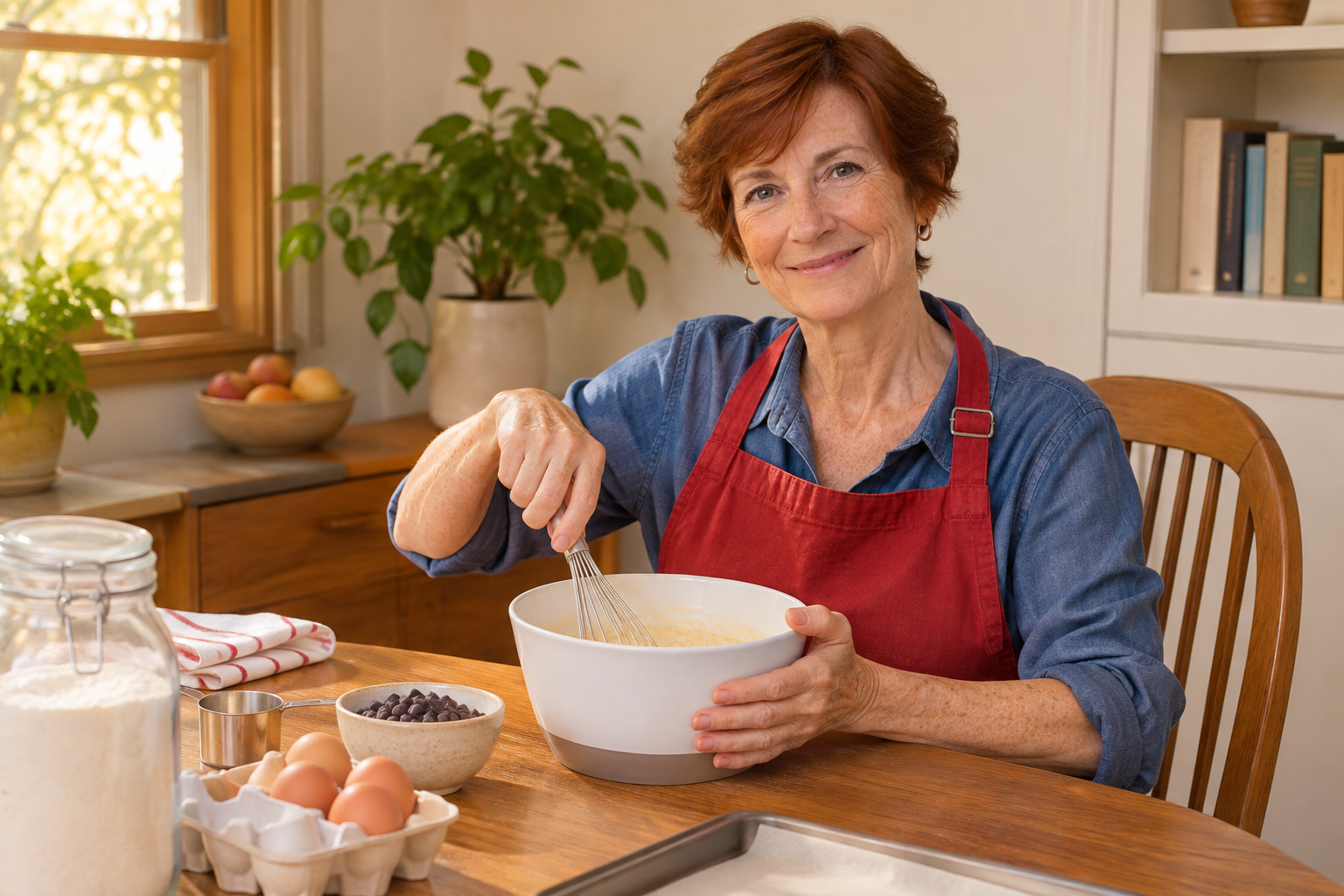
    Adapting Home Baking Workflows for Sore Joints

    Baking with sore joints can turn familiar steps into a series of uncomfortable grips and lifts. You may still love the smell of something in the oven while needing a very different route to get it there.

    Look at the hardest movement

    Is it kneading, holding a heavy bowl, rolling dough, or washing the equipment afterward? Change that step first. A lighter bowl, a stable non-slip surface, or a recipe mixed with a spoon may be more useful than buying several new gadgets.

    Use appliances only as directed and ask for help moving or cleaning heavy parts. Store frequently used tools where you can reach them without climbing or stretching painfully. For some people, working at a table is more comfortable than leaning over a counter.

    Choose a forgiving recipe

    Drop cookies, a simple tray bake, or a smaller batch may involve fewer demanding steps than pastry or kneaded dough. Prepared ingredients can also leave you more capacity for the part you enjoy. Keep perishable foods refrigerated during breaks and arrange help with hot trays if grip or dizziness makes handling them unsafe.

    Pay attention to how your hands feel afterward as well as during the task. A pleasant activity can still exceed your current limits. Adapting a recipe does not make it less yours; it gives your interests a better chance of fitting into your life now.

  • Legs Up the Wall: Choosing Comfort Over the Pose

    Legs Up the Wall: Choosing Comfort Over the Pose

    “Legs up the wall” is often shown as a universally soothing yoga pose. In real life, getting into position may strain your hips or back, and having your legs elevated may not feel good at all. Restorative should describe your experience, not just the name of a pose.

    Choose support over the photograph

    If leg elevation is appropriate for you, ask your clinician or physiotherapist about a comfortable version. Resting your calves on a suitable cushion may be easier than placing your legs vertically against a wall. Avoid arrangements that create pressure, numbness, painful stretching, or a difficult exit.

    There is no need to stay for a fixed number of minutes or to reach a particular angle. People with certain medical conditions, recent procedures, or movement restrictions may need to avoid this position entirely. Stop if you feel unwell, and do not use a pose to manage new or unexplained symptoms.

    Let bedtime be flexible

    You might prefer lying on your side with support, sitting quietly, or listening to something familiar. A comfortable alternative is not a lesser version of the routine.

    The purpose of a bedtime practice can simply be to reduce demands for a moment. It does not have to lower your heart rate, improve circulation, or guarantee sleep. You are allowed to leave the yoga pose out and keep the part that matters: giving yourself a gentler transition toward rest.

  • Weighted Blankets: Comfort, Evidence, and Safety

    Weighted Blankets: Comfort, Evidence, and Safety

    The idea of a blanket that feels like a reassuring hug is appealing, especially when sleep has been difficult. Some people enjoy the pressure of a weighted blanket, but it is not a dependable treatment for insomnia, pain, or anxiety.

    Consider comfort and safety together

    Research on benefits remains limited, as the Cleveland Clinic’s overview explains. A common weight formula is not a personalized safety assessment. Ask a clinician or occupational therapist before use if you have breathing, circulation, mobility, temperature-regulation, or other relevant health concerns.

    You should be able to remove the blanket easily and independently. Do not use it to restrain someone, cover the face, or make it difficult to change position. Follow the product instructions and stop if it feels hot, restrictive, distressing, or uncomfortable. Weighted blankets are not appropriate for infants.

    Try to separate the feeling from the purchase

    Think about what you are hoping for: warmth, a familiar texture, a sense of enclosure, or less movement. An ordinary blanket or a different bedding arrangement may meet that preference with less expense and effort. Do not layer heavy bedding as an improvised treatment.

    Persistent sleep problems deserve assessment, especially if breathing, pain, or restless sensations are involved. You have not failed to relax if a popular product does nothing for you. The right sleep support is the one that suits your needs, not the one with the most persuasive promise.

  • Warm Towel Compresses: Simple Comfort with Care

    Warm Towel Compresses: Simple Comfort with Care

    A warm towel can be a simple comfort for some stiff or sore areas, but the temperature and your skin’s ability to sense it matter. A homemade compress still needs care; familiar household materials do not make burns impossible.

    Check that warmth is appropriate

    Avoid heat over skin with reduced sensation, poor circulation, wounds, or areas where your clinician has advised against it. Ask about new swelling, redness, or unexplained pain rather than treating it repeatedly at home. NHS hospital heat guidance outlines precautions.

    Use comfortably warm rather than hot water and an appropriate barrier. Check the skin and remove the towel if it becomes uncomfortable or causes excessive redness. Avoid improvised microwave heating that can create hot spots, and do not fall asleep with a heat source in place.

    Keep the task manageable

    Set up where you can reach what you need without awkward lifting or spills. Ask for help wringing or carrying the towel if your hands are sore. If warmth worsens dizziness or other symptoms, stop and choose another option.

    The aim is temporary comfort, not deeper heat or a stronger sensation. If pain remains troublesome, tell your care team. You do not need to keep escalating a home remedy because it has not provided enough relief. A small comfort measure is allowed to have small, limited benefits.

  • Meal Prep Strategies for Chronic Fatigue

    Meal Prep Strategies for Chronic Fatigue

    Meal prep advice often assumes you have enough energy to spend a whole afternoon chopping, cooking, portioning, and cleaning. When fatigue is part of daily life, that approach may use the very energy you were hoping to save.

    Prepare one helpful component

    Choose a small task with a useful payoff: wash a few pieces of fruit, portion crackers, or make one extra serving of dinner. Ready-cooked grains, frozen vegetables, canned beans, and prepared foods can all be part of a workable plan. The best shortcut is the one you can eat, afford, and tolerate.

    Keep a short list of meals that require very little assembly. For example, soup with toast, yogurt with cereal, or a microwave grain pouch with a familiar protein. Include options for days when even assembling a meal is too much.

    Count cleanup as part of cooking

    Before starting, consider the dishes, lifting, and food storage involved. Use lighter containers and smaller portions if carrying a large pot is difficult. Refrigerate perishable food promptly and follow storage and reheating guidance; a rest break should not leave ingredients sitting out for hours.

    Ask for concrete help when it is available: “Could you portion this into containers?” is easier to act on than a general request to help with meals. Feeding yourself is the priority. A stocked freezer or a beautiful row of matching containers is optional.

  • Medication Routines That Reduce the Mental Load

    Medication Routines That Reduce the Mental Load

    Medication routines can become complicated quickly, especially when doses, food instructions, refills, and changing symptoms overlap. A useful system should reduce uncertainty without asking you to remember every detail unaided.

    Create one current reference

    Keep a list of medicines, doses, timing, and the prescriber or pharmacy contact. Include nonprescription products and supplements when discussing the list with your care team. Update it when instructions change rather than keeping several conflicting versions.

    Ask a pharmacist before transferring medicines into an organizer. Some need their original packaging or particular storage conditions. Choose secure storage, especially around children, and remember that many organizers are not child-resistant.

    Make the routine visible to you

    An alarm, a checked box, or a medication app may help you record what you have actually taken. Choose one method you can maintain. If another person assists, agree on how both of you will see the same record and avoid accidental duplication.

    Keep the official missed-dose instructions available. Do not guess, double up, or borrow instructions from a different medicine; contact your pharmacist or clinician when uncertain. Plan refills before the supply becomes urgent where possible, and ask about barriers such as cost or delivery. Needing support with medicines is common. The goal is clarity and safety, not proving that you can manage a complicated routine from memory.

  • Sensory Self Care for Migraine and Head Pain Days

    Sensory Self Care for Migraine and Head Pain Days

    During a migraine, everyday sensations can become difficult to tolerate. The light from a phone, a strong smell, or an ordinary conversation may feel like more than you can manage. A prepared comfort plan can reduce the decisions you have to make in that moment.

    Keep familiar supports accessible

    Choose a place where you can adjust light and sound. An eye mask, unscented room, or quiet audio may suit you, but let your own experience lead. If you use a cooling item, follow its instructions and protect your skin; more intense cold is not necessarily more helpful.

    Keep your prescribed treatment plan and necessary medicines accessible and safely stored. Use them as directed rather than waiting to see whether a self-care ritual will replace them. Ask someone to bring water or handle a practical task if that would help.

    Reduce the explaining

    A prepared message can say, “I’m having a migraine and need to be offline. I’ll reply when I can.” You do not need to describe the pain in detail to justify stepping away.

    A sudden severe headache, a headache with new neurological symptoms, or one very different from your usual pattern needs urgent medical assessment. Familiar migraine care and emergency symptoms are different situations. On an ordinary migraine day, the aim is not to perform recovery correctly. It is to make a painful period more supported and less demanding.

    The NHS headache guidance lists symptoms that need urgent or emergency care.

  • Chair Yoga That Makes Room for Your Limits

    Chair Yoga That Makes Room for Your Limits

    Chair yoga can make some movements more accessible, but the word “seated” does not make every sequence suitable for every person. A useful session should be adaptable enough that stopping, skipping a pose, or resting is an ordinary part of it.

    Choose the setting carefully

    Use a stable chair and enough clear space. If you have dizziness, pain, joint instability, recent surgery, or post-exertional symptoms, ask a qualified clinician what is appropriate before following a class. Let the instructor know about relevant limitations without feeling obliged to share your whole medical history.

    Avoid deep forward folds, forceful twists, end-range stretches, or breath holds if they do not fit your care plan. An instructor should offer alternatives without pressuring you to achieve the photographed shape of a pose.

    Let the smallest version count

    Your session might involve sitting comfortably, noticing support, and trying one familiar movement. It may also involve deciding that today is not a movement day. Pay attention to later symptoms rather than judging success only by how the activity felt at the time.

    Chair yoga does not have to produce energy, flexibility, or a particular emotional state to be worth considering, and it is fine if it is not useful for you. Accessibility includes the freedom to choose a different activity—or to rest—without being treated as though you have given up.

  • POTS and Small Leg Movements: Support Without Pushing Through

    POTS and Small Leg Movements: Support Without Pushing Through

    Standing still can be particularly difficult for some people with POTS. Small leg movements or other physical strategies may be included in an individualized plan, but they are not a guarantee against blood pooling, dizziness, or fainting.

    Get advice that fits the situation

    Ask your clinician which strategies are appropriate for you and when to use them. Joint problems, pain, balance, and other conditions can affect the choice. A movement that is safe while seated may not be safe while you are already unsteady in a queue.

    If you feel faint, prioritize getting to a safe seated or lying position and following your care plan. Do not keep standing and exercising your legs in an effort to prove you can manage. Ask for help and avoid situations where a fall would be especially dangerous.

    Change the environment as well

    Request seating, reduce unnecessary standing, or use an appropriate mobility aid if recommended. Arrange tasks so you can sit before symptoms build rather than treating every episode as a test of your coping skills.

    The Johns Hopkins POTS overview describes a range of individualized treatment approaches. Movement is only one possible piece of that care. You deserve accommodations and medical support, not just instructions to make more adjustments with your own body while the demands around you stay the same.