Tag: Pacing

  • The Reality of Food Prep with Chronic Fatigue

    The Reality of Food Prep with Chronic Fatigue

    A meal can require more steps than anyone notices until energy becomes scarce. Finding ingredients, standing, chopping, watching the stove, and clearing up may use the energy you hoped to spend eating. If cooking feels difficult, that difficulty is real.

    Convenience foods can be useful tools. A meal does not become less worthwhile because the vegetables were frozen or someone else prepared it. What works will depend on your preferences, budget, allergies, and individual dietary needs.

    Make assembly an option

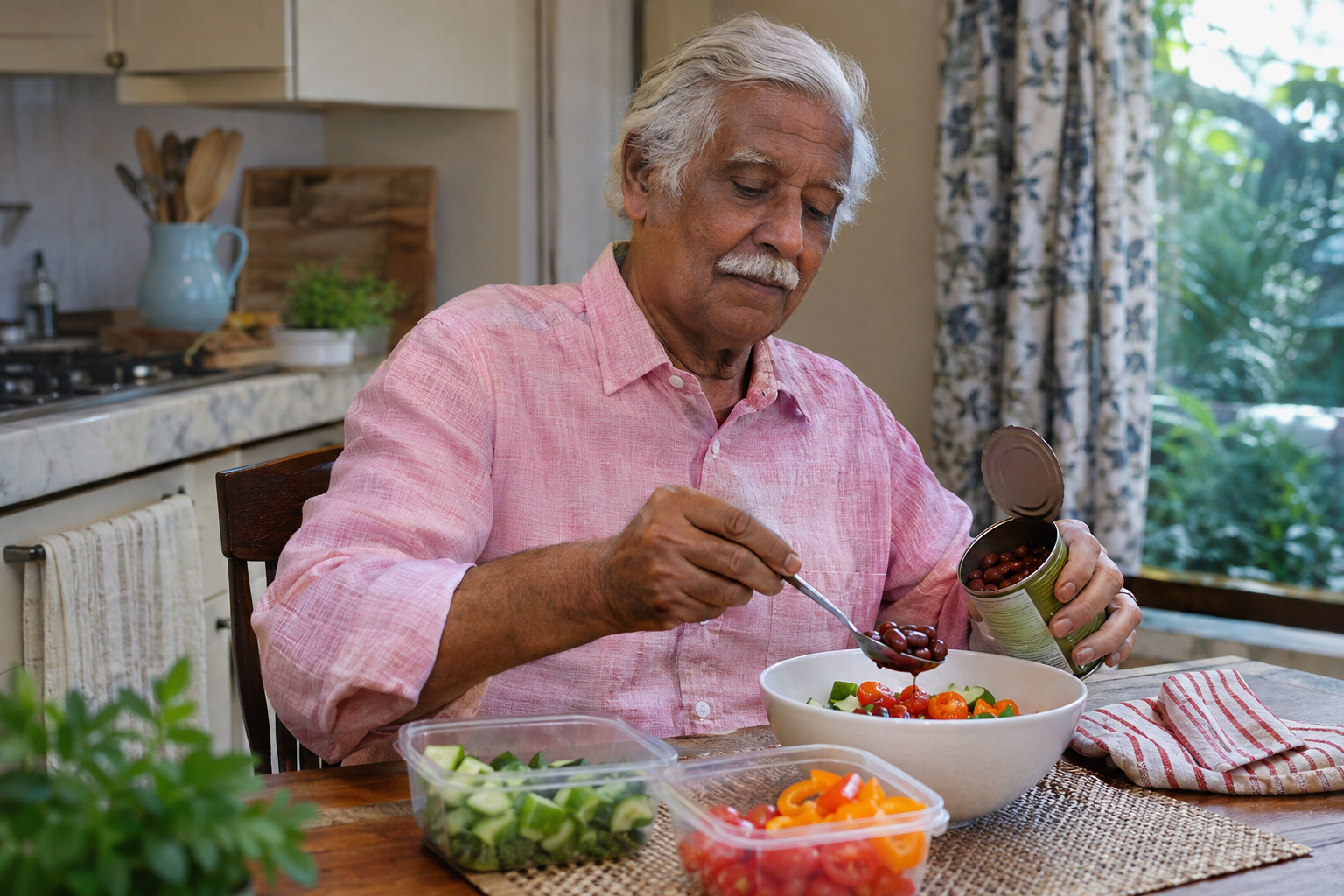
    Keep a short list of familiar meals that need little preparation. Ready-cooked grains, canned beans, or a prepared component may reduce the number of steps. Choose foods that fit your own needs rather than trying to follow a perfect online meal plan.

    If seated preparation is comfortable, use a stable chair and table, with supplies within reach. Avoid moving hot pans or using sharp tools when dizziness or concentration problems make that unsafe. Asking for help with those parts still leaves room to participate in ways you enjoy.

    Let leftovers reduce work

    Making extra can help only when the additional preparation is manageable. You do not owe future-you a large batch on every better day. Follow food-storage instructions and refrigerate perishable food promptly; labels can make it easier to remember what is available.

    There will be days when a ready-to-eat meal is the most caring choice. Being fed matters more than proving that you cooked from scratch.


  • Post Exertional Malaise: The Debt That Always Comes Due

    Post Exertional Malaise: The Debt That Always Comes Due

    A good afternoon can be followed by a much harder day, and that delay makes post-exertional malaise especially confusing. PEM involves worsening symptoms after exertion that might once have felt ordinary. In ME/CFS, symptoms can worsen hours or days later, so how you feel during an activity may not tell the whole story.

    That can make the usual advice to "do a little more each day" unhelpful or harmful. Pacing means working within individual limits, including the demands of thinking, conversation, and emotional strain. It is not a fixed exercise progression or a promise that every crash can be prevented.

    Learn from patterns gently

    If it is manageable, note a few activities and how you felt afterward, including the following days. You do not need a detailed spreadsheet. A voice note or a couple of words may be enough to discuss with a clinician familiar with PEM.

    There is no universal safe heart-rate number or rest interval. A wearable may provide information for some people, but it cannot decide your limits on its own.

    Make room for less

    Consider splitting a task, asking for assistance, or leaving something undone. Rest can mean reducing sound, light, conversation, or decision-making as well as physical activity. Choose what is tolerable for you.

    A crash is not evidence that you lacked discipline. Your available energy may be very limited and difficult to predict. Support should help reduce demands, not make you responsible for controlling every symptom.

    Further reading: CDC: Managing post-exertional malaise.

  • Rebuilding Your Morning Routine Around Your Body

    Rebuilding Your Morning Routine Around Your Body

    Mornings can begin with a body that already feels overworked. Stiffness, nausea, dizziness, or exhaustion may arrive before you have answered a message or put on your shoes. A routine designed around rushing can make that first stretch of the day feel like a series of obstacles.

    You are allowed to build a morning around what is possible now. That might mean preparing a few things the evening before, asking for help, or accepting that the essential tasks will take longer.

    Reduce the decisions

    Put comfortable clothes, breakfast options, and frequently used supplies where they are easy to reach. Keep medicines stored safely and take them according to their instructions; being near the bed does not mean a medicine should be taken before food or at a different time.

    Choose a short sequence that works for you: getting comfortably upright, washing, eating, and checking what is essential today. The order can change. If movement is part of your care plan, adapt it to symptoms rather than treating stretching as a mandatory morning achievement.

    Keep a smaller version ready

    On a difficult day, a seated wash and simple breakfast may be enough. On another day, you may manage more. A routine with a smaller version gives you somewhere to turn without inventing a new plan while exhausted.

    Slow mornings can still contain meaningful things: a familiar drink, a kind message, or a few quiet minutes. None of them has to become another task to complete.

  • The Kitchen Stool Revolution: Pacing Your Baking and Cooking

    The Kitchen Stool Revolution: Pacing Your Baking and Cooking

    Cooking can hold so much more than a meal: a familiar recipe, a family ritual, a small piece of yourself. When standing becomes difficult, changing the setup can help you keep the parts you enjoy without asking your body to do everything the old way.

    Bring the task to you

    Try preparing ingredients at a table where your feet have support and your shoulders can relax. A sturdy chair with a back may be easier to use than a high stool. Keep your cutting board stable and the ingredients you need within comfortable reach. Ask someone to move heavy appliances; keep ventilation, cords, and hot surfaces safely arranged according to their instructions.

    Separate preparation from cooking

    Wash produce during one small window of energy, then put it away. Measure dry ingredients another time. Refrigerate perishable ingredients promptly between stages. There is no requirement to finish a recipe in one uninterrupted session.

    Consider a gentler version of a favorite dish: ready-chopped vegetables, a smaller batch, or a mix that leaves you energy for decorating. These shortcuts still belong in a real kitchen.

    If dizziness starts, leave the knife and hot pans safely in place and sit or lie somewhere safe. A chair is a useful adaptation, but it cannot make every kitchen task safe during symptoms. On some days, the kindest cooking plan is asking for help or choosing something ready to eat.

  • A Gentler Start: Managing Morning Stiffness

    A Gentler Start: Managing Morning Stiffness

    Morning stiffness can make the distance from bed to bathroom feel much longer than it looks. Starting slowly is a practical accommodation, especially when your joints, muscles, or circulation need time before you can move comfortably.

    Give the first transition some space

    Before standing, notice how you feel. Adjust your position gradually and use the supports recommended for you. If you have a plan for dizziness or orthostatic symptoms, follow it rather than rushing to meet a clock. Keep a phone or call system accessible if getting up is sometimes unsafe alone.

    If gentle movement is already part of your care plan, use the comfortable motions you have been shown. There is no universal number of stretches or minutes to complete. Avoid forcing stiff joints to their end range, and stop movements that bring sharp pain, dizziness, or other concerning symptoms.

    Simplify the next few steps

    Set out clothing, an easy breakfast, and essential items the evening before when possible. A stable seat for dressing can make the morning less demanding. A warm shower is not helpful for everyone; heat can worsen symptoms for some people, including those with POTS.

    New swelling, redness, weakness, or a substantial change in stiffness deserves medical advice. For familiar mornings, aim for a manageable beginning rather than a dramatic reset. Your day does not have to start at full speed to count as a day worth living.

  • Social Plans That Make Room for Your Energy Limits

    Social Plans That Make Room for Your Energy Limits

    Wanting company and needing to protect your energy can both be true. Social plans do not have to be an all-or-nothing decision, though it can take practice to ask for a version that fits your current capacity.

    Plan the edges of the visit

    Consider the travel, parking, noise, seating, and recovery time as well as the event itself. A short visit nearby may be more manageable than a quiet activity with a long journey. Ask about access before committing, and make a leaving plan that does not depend on persuading everyone else to go.

    You might say, “I’d love to come for the first half hour. I may need to leave earlier if symptoms change.” Or suggest a call, a smaller gathering, or company at home.

    Leave room to change your mind

    Canceling can feel painful, especially when you miss people. A simple message is enough: “I’m not well enough today, and I’m disappointed to miss you. Could we find another way to connect?” You do not owe a detailed defense of your symptoms.

    Planning may reduce some demands, but it cannot guarantee you will avoid a crash. Notice how activities affect you afterward and use that information gently. A friendship can make room for uncertainty, practical adjustments, and honest disappointment. You deserve connection that does not require pretending you have more capacity than you do.

  • Pacing Strategies for Etsy Sellers and Artisans

    Pacing Strategies for Etsy Sellers and Artisans

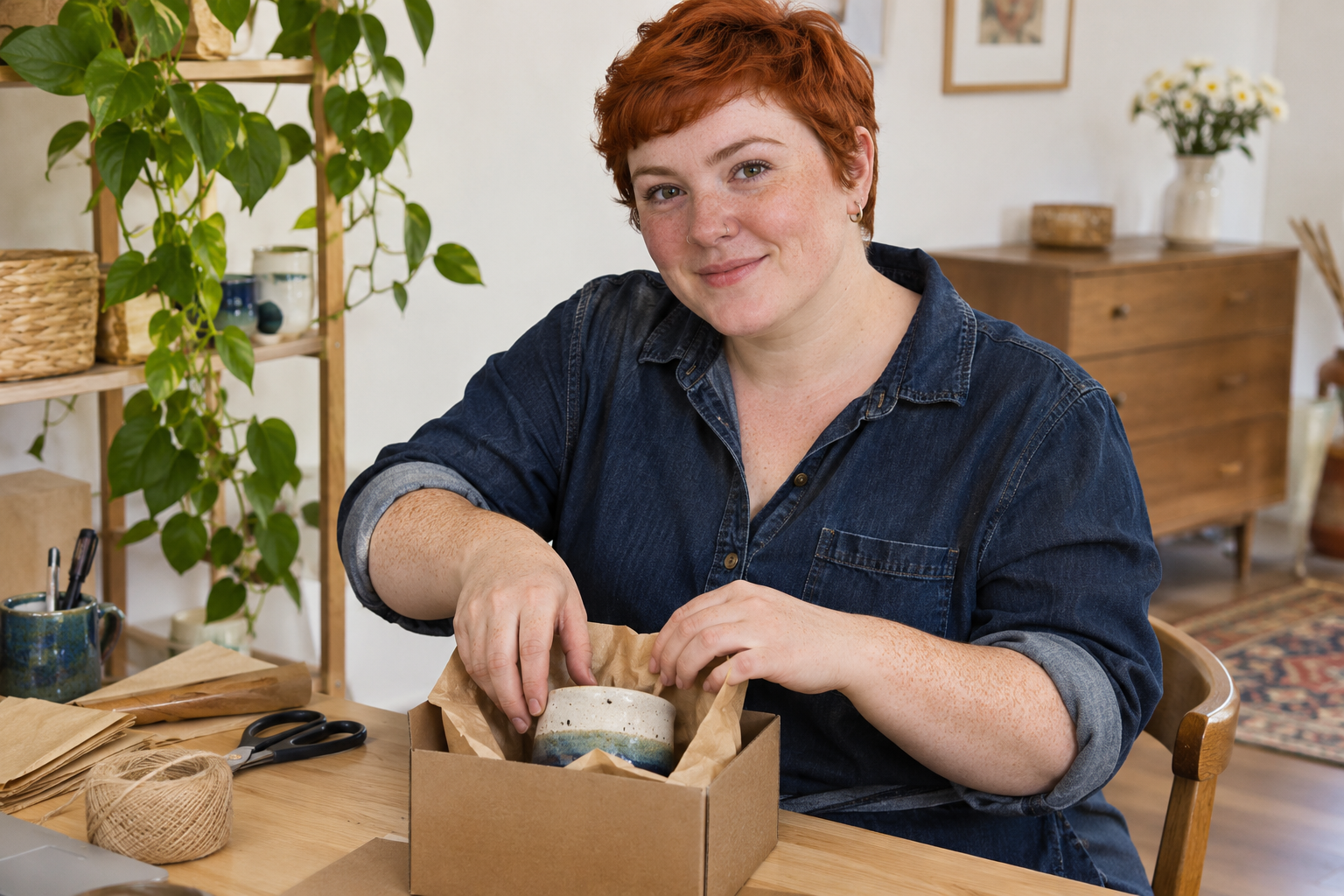
    Handmade work includes far more than making the item. There are photographs, messages, supply orders, packing, and trips to send parcels. When you live with pain or fatigue, those less-visible tasks deserve a place in the plan too.

    Follow one order from start to finish

    Write down every step, including cleanup and recovery time. Notice which tasks involve standing, repetitive hand movements, or sustained concentration. Then decide what can be simplified: fewer product variations, prepared packaging, scheduled message times, or a pickup service if it is available and affordable.

    Batching can help some people, but a large batch may be too demanding. A small repeatable process is more useful than an impressive production day followed by days you did not choose to spend recovering.

    Set capacity before taking orders

    Keep processing times realistic and review them when symptoms change. A temporary order limit or shop pause may protect existing commitments. Save a clear customer message so you do not have to compose one during a flare: “Your order will ship later than planned. Here are the updated options.”

    The work can matter deeply without needing to grow every month. You are allowed to choose a scale that leaves room for meals, rest, relationships, and care. Success may look like a few thoughtfully fulfilled orders rather than a constantly busy shop.

  • Navigating Grocery Shopping with Energy Constraints

    Navigating Grocery Shopping with Energy Constraints

    Grocery shopping includes a surprising number of jobs: planning, traveling, walking, choosing, waiting, carrying, and putting everything away. If you run out of energy before reaching the checkout, the problem may be the size of the task rather than your preparation.

    Reduce the trip before you begin

    Keep a short list of dependable meals and the ingredients they share. Arrange the list by store section if that makes it easier to follow. Choose a smaller shop or a quieter time when those options are accessible to you.

    Delivery or pickup may help, but fees, substitutions, and availability matter. Ask a friend to pick up a few items during their own trip, share an order if practical, or use a store’s accessibility services. You do not need to justify choosing convenience when it fits your circumstances.

    Plan for getting home

    Use smaller bags and ask for carrying help where available. Put refrigerated and frozen foods away first; shelf-stable items can wait briefly while you rest. Keep pathways clear so bags do not become a fall hazard.

    Use a prescribed mobility aid when needed; a shopping cart is not designed to replace one. If symptoms make shopping unsafe, stop and ask for assistance. A small shop that meets the next day’s needs can be a successful shop. There is no requirement to stock an entire week at once.

  • Managing Doctor Appointment Exhaustion

    Managing Doctor Appointment Exhaustion

    Medical appointments can use an entire day’s capacity before the conversation even begins. Travel, waiting rooms, paperwork, bright lights, and explaining your history all count as effort. Planning for the before and after may make the visit a little less demanding.

    Bring a short, useful page

    Write your main concern, the changes you have noticed, and the questions you most want answered. Keep an up-to-date medicine list available. If your appointment is brief, put the most important issue first rather than hoping it fits at the end.

    Ask about access needs when booking: seating, a quieter waiting option, support-person arrangements, or a remote visit if clinically appropriate. Not every request will be available, but asking early gives the practice a chance to respond.

    Leave space afterward

    Choose an easy meal and reduce optional commitments where possible. Ask someone to take notes with your permission, or request written instructions. Before leaving, check who to contact with questions and what the next step is.

    If you come home too tired to process the visit, set the paperwork somewhere reliable and return to it when you can, while keeping urgent instructions on schedule. Appointment exhaustion does not mean you are doing healthcare badly. It reflects how much work managing illness can involve, including work that nobody else sees.

  • Balancing School Runs and Fatigue

    Balancing School Runs and Fatigue

    School mornings can be demanding before anyone leaves the house. Bags, shoes, breakfast, time pressure, and transport all compete for limited energy. A simpler routine can help, but it also needs a backup for days when you are too unwell to manage the journey.

    Move decisions out of the rush

    Keep school essentials in one accessible place. When possible, prepare clothing and check bags earlier, with age-appropriate help from your child. A short visual checklist may be easier than repeating instructions while you are tired.

    Choose a dependable simple breakfast and leave optional tasks for later. The morning does not need to include a tidy kitchen or a perfect lunch arrangement to be a successful start.

    Make transport safety the priority

    Do not drive when you feel faint, dangerously sleepy, cognitively impaired, or affected by medication in a way that makes driving unsafe. Arrange a trusted adult, approved school transport, or another appropriate backup where available. Ask the school about options before a difficult morning becomes urgent.

    If you need to rest while waiting, choose a safe, temperature-controlled place with appropriate supervision for your child. A parked car can become dangerously hot. Needing help with school runs is not a measure of your commitment as a parent. It is one of the practical ways a family can respond to changing health.