
Tag: Mental Health

  • The Emotional Toll of Medical Gaslighting

    The Emotional Toll of Medical Gaslighting

    Being dismissed by medical professionals leaves lasting emotional wounds. When doctors tell you that your physical symptoms are just stress or anxiety, it hurts deeply. You can start to internalize those comments, questioning your own experiences and delaying necessary care.

    Healing from medical gaslighting requires rebuilding trust in your own bodily signals. Your pain, fatigue, and physical symptoms are real, regardless of whether a test result confirms them today.

    Recognizing invalidating healthcare patterns allows you to seek supportive medical providers who respect your experience and work collaboratively with you.

    Gentle Management Tips

    • Validate your experience by keeping detailed physical logs of your health metrics and symptoms.
    • Seek out medical providers who specialize in complex chronic illnesses and show genuine respect for patient experiences.
    • Process past medical dismissal with a mental health professional who understands chronic illness trauma.

    Prepare for the feeling as well as the visit

    If an appointment brings up fear, consider a short plan for before and after it: a support person, a written question, or a quiet recovery window. You do not have to prove that a clinician intended harm to acknowledge that an experience hurt. At the same time, uncertainty in medicine can be real; respectful care should make room for uncertainty without dismissing you.
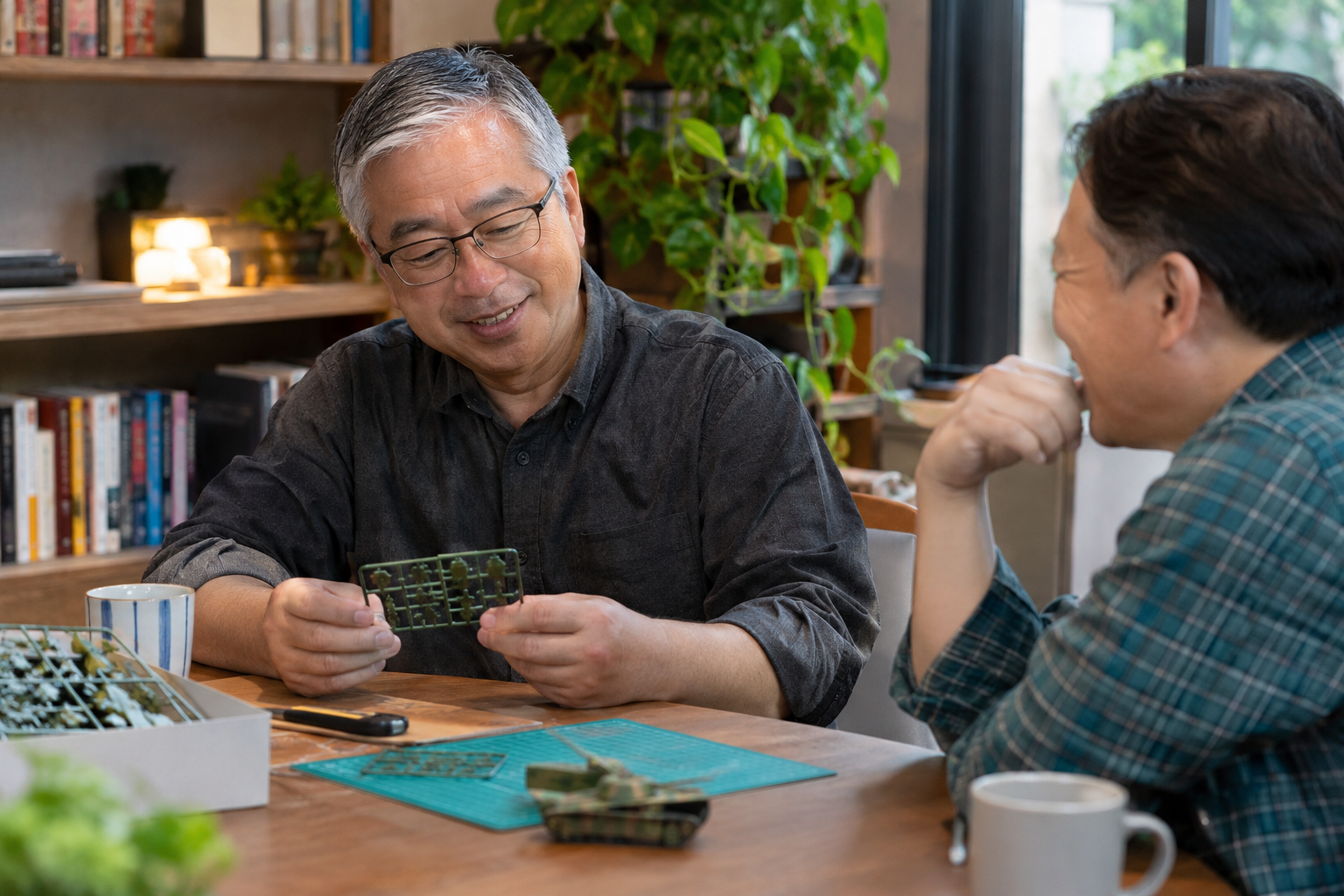

  • The Weight of Expectations: Masculinity and Chronic Illness

    The Weight of Expectations: Masculinity and Chronic Illness

    Traditional ideas of masculinity often focus on physical strength, self reliance, and hard work. When chronic illness limits your physical energy and work capacity, it can challenge your sense of identity as a man.

    Redefining masculinity involves seeing strength in emotional resilience, patience, and vulnerability. True strength is shown in how you adapt to life's challenges, show up for loved ones, and care for your well being.

    Moving beyond old physical expectations lets you build a balanced, fulfilling identity that honors your current reality.

    Gentle Management Tips

    • Challenge traditional views of masculinity by prioritizing internal values like patience and kindness.
    • Connect with male peers who value open conversation about health, life balance, and personal growth.
    • Acknowledge your daily efforts to manage your health as real expressions of personal strength.

    Keep the parts of yourself that matter

    Perhaps being dependable now means communicating clearly instead of saying yes to every request. Perhaps being a good friend means listening rather than helping someone move house. You are free to decide which values you want to carry forward. You do not need to replace physical achievement with exceptional emotional strength to earn respect; ordinary, imperfect humanity is enough.

  • Managing the Mental Weight of Chronic Illness

    Managing the Mental Weight of Chronic Illness

    Managing a long term health condition requires constant mental effort. Tracking symptoms, organizing medications, coordinating doctor appointments, and pacing daily activities takes a real toll on your energy reserves.

    This mental load can lead to decision fatigue, anxiety, and emotional burnout. It is completely understandable to feel overwhelmed by the endless effort required to manage your health every day.

    Simplifying your health management routines helps protect your mental energy and gives you space to rest.

    Gentle Management Tips

    • Automate routine health tasks with recurring digital reminders, automatic prescription refills, and simple meal plans.
    • Use a single calendar or planner to track all medical appointments, notes, and health tasks.
    • Schedule intentional "health planning breaks" where you set aside management tasks to focus entirely on relaxation.

    Choose one home for the information

    A small folder or a single phone note may be more useful than a complicated new system. Keep the next appointment, current questions, and essential contacts together. If someone offers help, you can ask them to make a call or organize paperwork with your permission. Sharing the administrative load does not mean giving up your voice in decisions about your care.

  • The Heavy Weight of Social Isolation

    The Heavy Weight of Social Isolation

    Long term illness often narrows your social circle. When going out, attending gatherings, or working in traditional settings becomes difficult, loneliness can build up over time.

    Overcoming health isolation requires building alternative ways to connect. Virtual groups, digital communities, and low key catch ups offer meaningful social contact that respects your physical limits.

    You deserve connection and community, no matter your health status or activity levels.

    Gentle Management Tips

    • Join online support communities centered on your specific conditions to build understanding friendships.
    • Schedule short, regular phone calls or video chats with supportive friends.
    • Share your interests through gentle online activities like book clubs, gaming groups, or creative forums.

    Make connection easier to enter

    Instead of waiting until you can manage a long conversation, consider a shared photo, a short message, or listening to a group discussion without speaking. Choose spaces where you can leave or reply later without pressure. Online communities vary, so protect personal information and step back from groups that push cures or make you feel worse. Small, steady contact can still matter.

  • The Grieving Process for Your Former Self

    The Grieving Process for Your Former Self

    When chronic illness strikes, it takes more than your physical comfort. It takes the future you had planned, the career trajectory you envisioned, and the spontaneous person you used to be. The loss of your former self is a profound loss that deserves space, validation, and intentional grieving.

    Many people fall into the trap of believing they must instantly maintain a positive attitude or stay strong. Forcing positivity over deep sorrow invalidates your reality. It is completely normal to look at old photographs and feel a pang of jealousy toward the person you were three years ago. It is natural to mourn the runner, the hard working professional, or the energetic friend you used to be.

    Grief is not a linear process. You might feel acceptance one day and deep anger the next. Giving yourself permission to cry over lost capacity is not giving up. It is the necessary work of honoring who you were so you can begin making peace with who you are today.

    Gentle Management Tips

    • Write a letter of gratitude to your past self, acknowledging everything they accomplished with the resources they had.
    • Allow yourself to express sadness without immediately trying to find a silver lining or positive spin.
    • Focus on small, meaningful activities that align with your core values within your current physical limitations.

    You do not have to finish grieving

    An anniversary, a familiar place, or an unexpected invitation may bring the loss back sharply. That does not mean you have gone backward. You can miss something deeply and still find meaning elsewhere. If sadness is making everyday life feel unmanageable, a counselor who understands chronic illness may offer space where you do not have to explain or defend the loss.

  • The Trauma of Unseen Illness

    The Trauma of Unseen Illness

    When you look healthy on the outside, people assume you are fine on the inside. You might sport a glowing appearance, wear nice clothes, and smile during conversations, all while experiencing burning pain or severe faintness. This disconnect between your appearance and your physical reality creates invisible stress.

    Over time, this dynamic creates emotional strain. You get tired of explaining why you cannot attend events, why you need special accommodations, or why you are so exhausted. You worry people think you are lazy or dramatic.

    Validating your own reality is essential for healing. You do not need to look sick to be sick. Your experience is real, valid, and worthy of respect, regardless of your physical appearance.

    Gentle Management Tips

    • Practice internal validation exercises, repeating affirmations like "My physical symptoms are real, even if others cannot see them."
    • Set clear boundaries with people who consistently doubt your physical limitations.
    • Connect with the chronic illness community online or locally to share your experiences with people who understand without explanation.

    You can choose your explanation

    Some people deserve a fuller conversation; others only need to know that you cannot do a particular task. You may say, "My health limits this, even if it is not visible." Repeating that boundary can be tiring, so a saved message may help. Support from a counselor or trusted community can also make room for the anger and hurt that repeated disbelief can leave behind.

  • Gentle Parenting on Low Energy Days

    Gentle Parenting on Low Energy Days

    Low-energy parenting can bring a particular kind of ache: you want to be present, but your body needs less noise, less movement, and more rest. A quieter day can still contain warmth, connection, and dependable care.

    Make a small menu of togetherness

    Keep a few options that work from a supported seat: reading aloud, listening to an audiobook, drawing side by side, or letting your child tell you the story behind their toys. A familiar show together can also be a practical choice. You do not have to make every hour educational.

    Try a simple explanation: “My body needs a slower day. I still want to spend time with you. Would you like a story or some drawing?” Offer choices that are actually manageable for you.

    Ask adults for adult help

    Children can have age-appropriate household roles, but they should not become responsible for managing your symptoms or keeping you medically safe. If you may faint, need to sleep, or cannot supervise safely, arrange another responsible adult where possible. Keep medicines and other hazards secured even when resting spaces change.

    Food, safety, affection, and enough structure for the day are meaningful priorities. Elaborate activities can wait. If guilt arrives, imagine how you would speak to another parent in the same situation. Your child does not need a parent who never needs care; they need relationships where care and limits can coexist.

  • Unpacking Guilt Around Household Chores

    Unpacking Guilt Around Household Chores

    A basket of laundry can carry more than clothes. It can hold expectations about adulthood, partnership, parenting, and who you used to be before symptoms changed your days. No wonder an unfinished chore can feel so personal.

    Separate a household need from a judgment

    “We need clean plates” is a practical problem. “I am failing because the kitchen is messy” is a painful conclusion. Try naming the smallest actual need: a clear path to the bathroom, clean clothes for tomorrow, or food put away safely.

    Make three loose groups: essential now, helpful later, and optional. Folding towels might be optional. Moving something that creates a fall hazard might be essential. Your list can change with your household and your capacity.

    Make help specific

    Instead of waiting until everything feels overwhelming, try: “Could you take out the trash tonight?” or “Can we agree that you handle the heavy laundry basket?” Clear ownership can reduce the exhausting work of repeatedly asking and supervising.

    Some days there is no spare help, and that is genuinely hard. Convenience items, simplified routines, and lower standards may be necessary accommodations rather than choices you would otherwise make. Your worth is not visible in a spotless room. A home is allowed to show that people live there, including people who need rest.

  • Maintaining Friendship Boundaries with Illness

    Maintaining Friendship Boundaries with Illness

    Friendship can be a source of comfort and still need boundaries. When your capacity changes, you may miss the ease of saying yes without calculating travel, noise, recovery, or the cost of a long conversation.

    Be specific about what remains possible

    Instead of a yes that you dread or a no that feels final, try offering a smaller option: “I can’t manage dinner out, but I would love a short call.” Or: “You’re welcome to visit, but I’ll need to stay on the sofa and keep it brief.”

    You can also ask for a kind of contact that does not require an immediate response. A photo, a voice message, or a shared joke can keep a thread of connection alive when a full conversation is too much.

    Leave room for honest feelings

    Friends may feel disappointed, and you may too. Disappointment does not automatically mean a relationship is unsupportive. Repeated pressure, disbelief, or punishment for reasonable limits is different and may require a firmer conversation or distance.

    Try stating the boundary without debating your symptoms: “I understand you wish I could stay longer. I still need to leave now.” You are allowed to protect your capacity while caring about someone else. A friendship does not have to look exactly as it once did to remain meaningful, but your needs deserve a place in its new shape.

  • Handling Unsolicited Health Advice Gracefully

    Handling Unsolicited Health Advice Gracefully

    Unsolicited health advice can arrive wrapped in concern and still feel exhausting. You may have heard the same supplement, diet, or exercise suggestion many times, often from someone who has not asked what living with your condition is actually like.

    Choose the amount of conversation you want

    A brief response can be enough: “Thank you for thinking of me. I’m following a plan with my care team.” If you want to redirect: “What would help most today is some company, rather than treatment suggestions.”

    For repeated advice, a clearer boundary may be needed: “I’m not discussing new remedies. Please stop sending them.” You do not have to provide a research review or disclose your medical history to make that boundary valid.

    Keep support separate from persuasion

    Someone can care about you and misunderstand your needs. If the relationship matters, describe a concrete alternative: bringing a meal, helping with an errand, or listening without trying to solve the illness. Their response will give you useful information about what support is available.

    You are also allowed to end the conversation. Save your questions about a proposed treatment for a qualified clinician or pharmacist who can consider your circumstances and medicines. Declining advice is not declining hope. It can be a way of protecting the limited attention and energy you need for your actual life.