Tag: Hobbies

  • Creating an Accessible Crafting Space

    Creating an Accessible Crafting Space

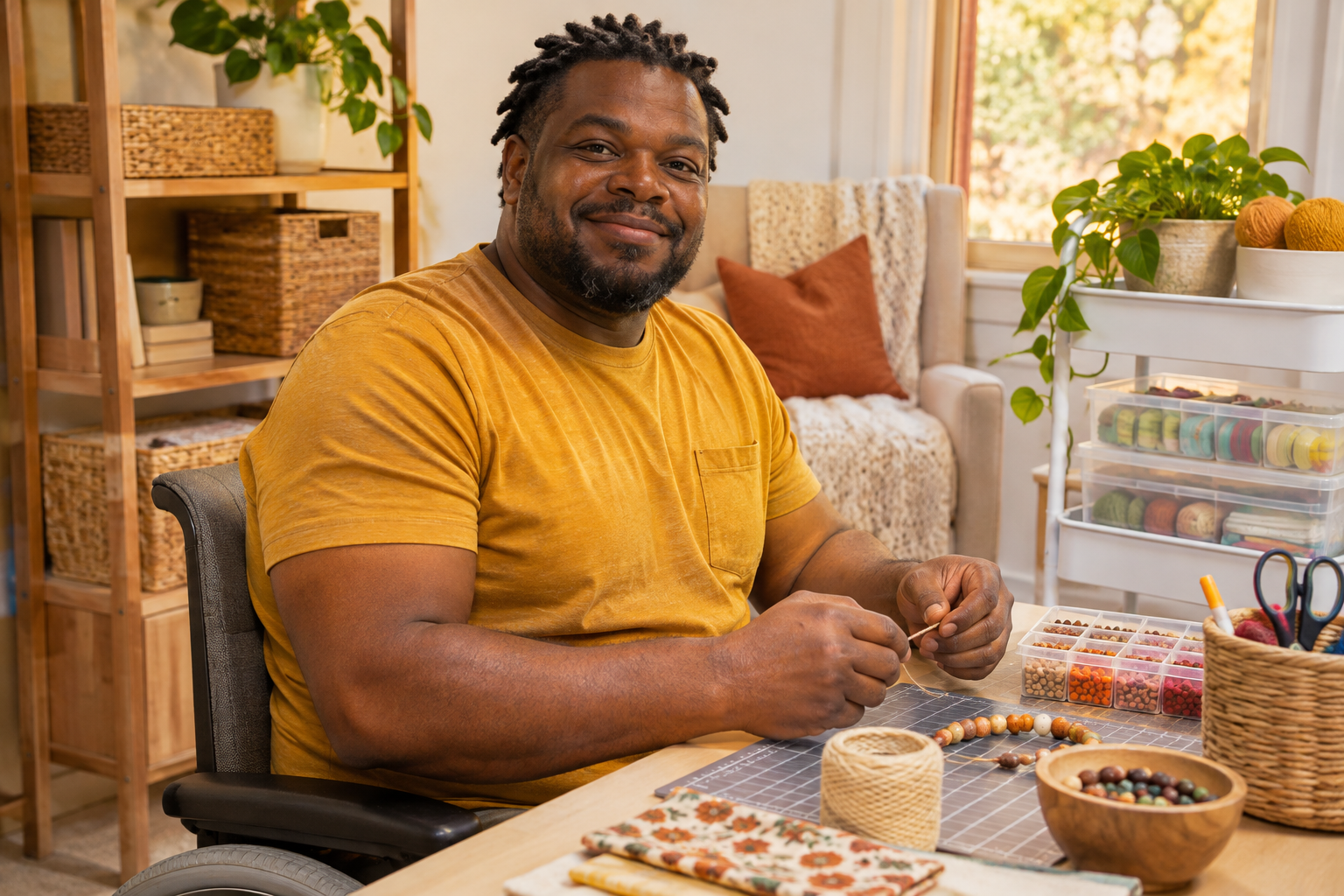
    An accessible crafting space does not have to look like a studio. It might be one tray, a comfortable chair, and the materials for a project you genuinely want to make. The space should reduce the effort between you and the enjoyable part.

    Bring the most-used supplies close

    Keep frequently used tools within a comfortable reach and use smaller containers if large boxes are heavy. A stable work surface and suitable lighting can make it easier to see without leaning awkwardly. Store sharp tools, adhesives, and small parts safely, especially in a shared home.

    Notice where the setup asks for a difficult grip or repeated movement. Larger handles, a different tool, or a simpler technique may be worth exploring. Avoid buying an entire new system before testing one useful change.

    Plan a gentle stopping point

    Choose a way to set the work down safely without having to tidy everything immediately. A lidded project box or tray can make it easier to return later. Include cleanup in your sense of how demanding the activity will be.

    Creative time does not need to result in a finished object or a product to sell. You can enjoy choosing colors, making a few stitches, or simply arranging the materials. If crafting worsens symptoms, scale back and seek individualized advice. Your interest deserves room, even when your pace changes.
  • Finding Creative Joy in Low Energy Hobbies

    Finding Creative Joy in Low Energy Hobbies

    Illness can shrink the space available for hobbies, especially when an activity once involved long sessions, social plans, or supplies you can no longer manage easily. Creativity can return in a smaller form without needing to replace everything you miss.

    Choose the enjoyable part

    Maybe you love color more than finishing a painting, stories more than writing chapters, or the feel of yarn more than completing a blanket. Start there. Make one small sketch, record a sentence, choose a few photographs, or listen to a discussion about something that interests you.

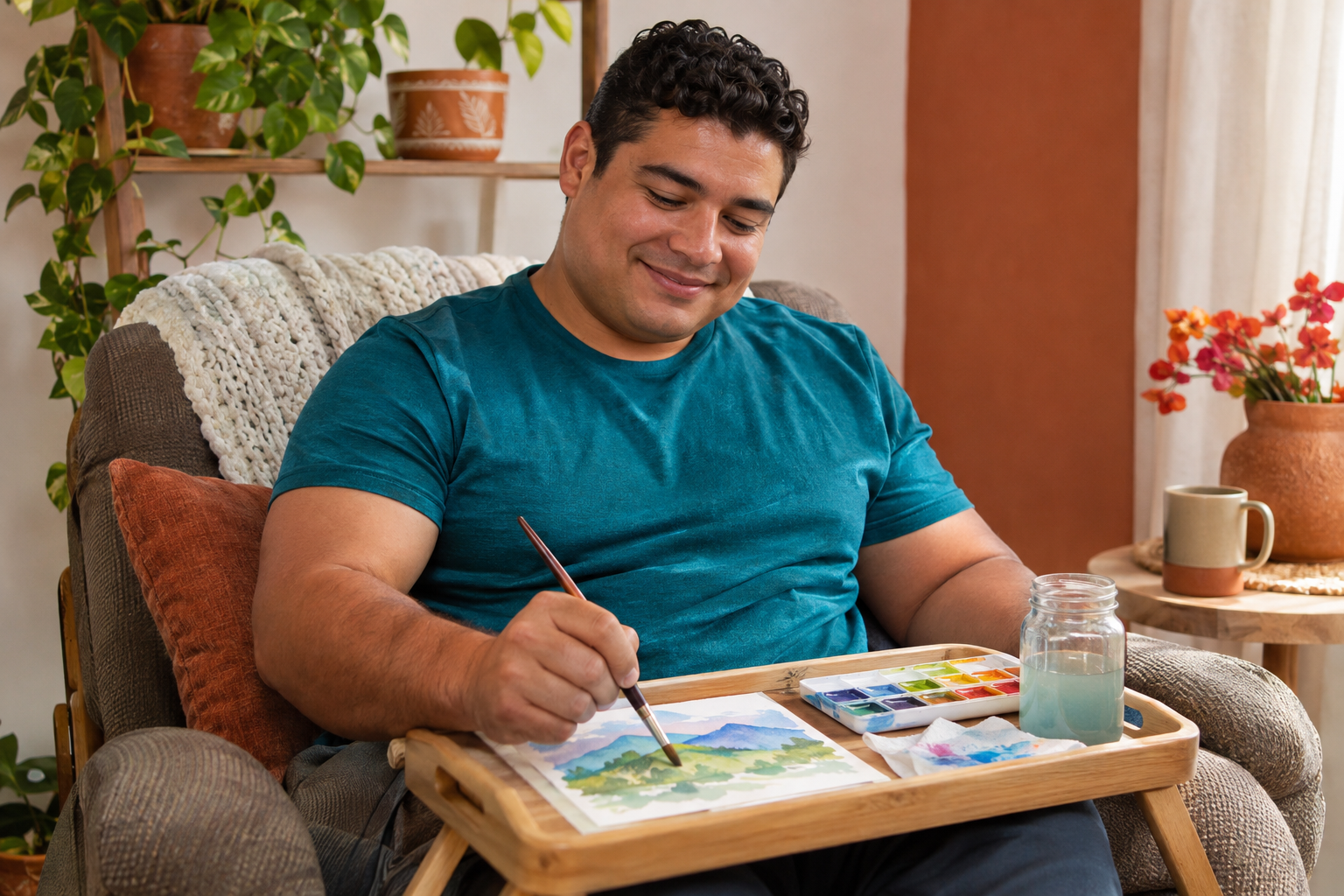
    Keep materials easy to reach and easy to put down. A small project tray can help if getting everything out uses most of your energy. Choose safe storage for tools and supplies, especially if you share the space with children or pets.

    Remove the performance requirement

    You do not have to improve, share the result, or turn it into income. An unfinished project can still have given you a pleasant afternoon. Changing hobbies or returning to a beginner version of an old interest is allowed.

    If an activity aggravates symptoms, adjust the duration, method, or position, and consider individualized advice when needed. Rest can interrupt creativity without ending your relationship with it. A few minutes of interest may be meaningful, and a day without any creative activity is also a day on which you remain yourself.