Tag: Gentle Movement

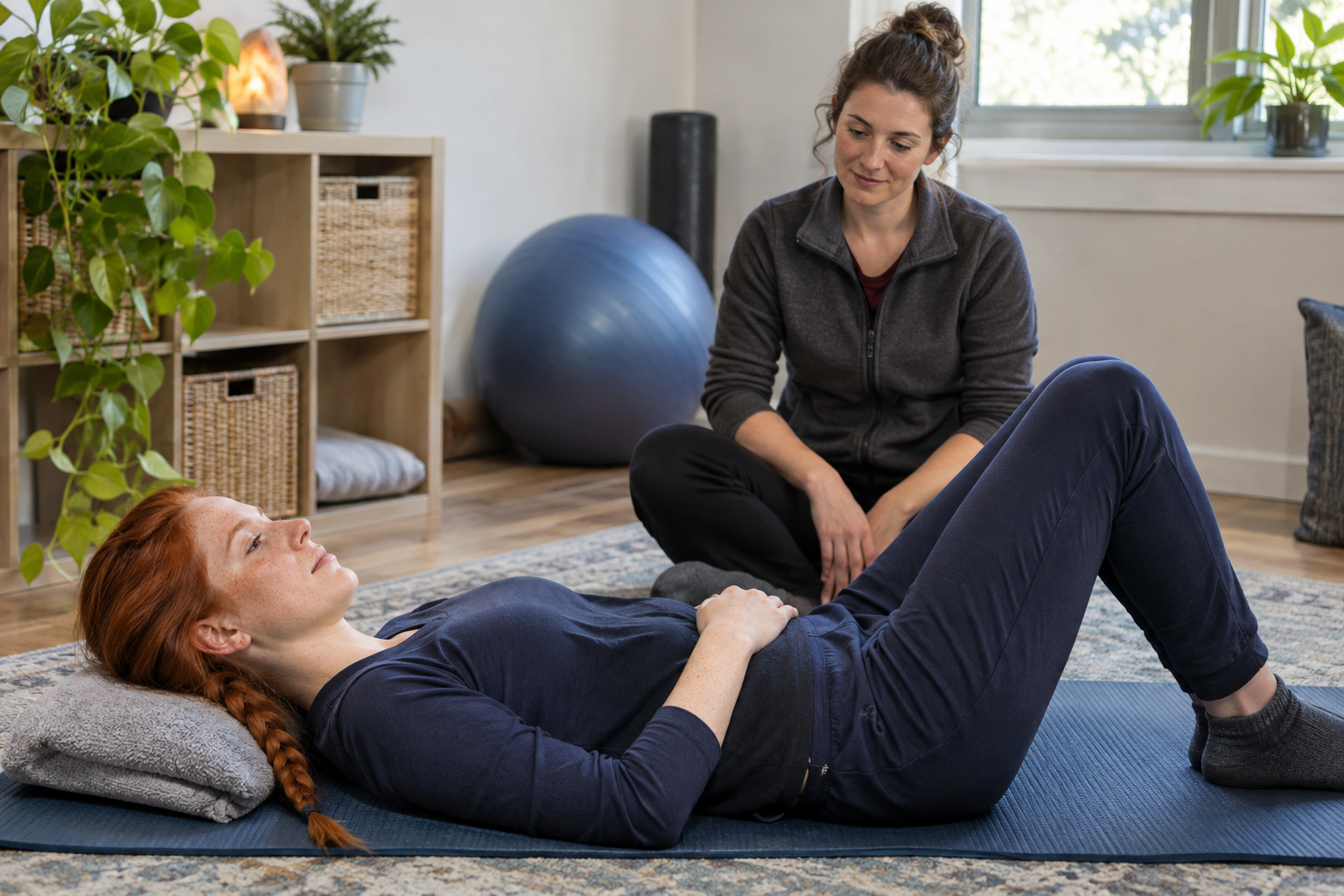
  • Floor Exercises and Gentle Movement for Dysautonomia

    Floor Exercises and Gentle Movement for Dysautonomia

    When standing activity brings dizziness or a racing heart, conventional exercise advice can feel far removed from daily life. You may want to move and also worry about what will happen afterward. Both feelings deserve room in the conversation.

    Some people with POTS work with clinicians on seated or recumbent activity. Being closer to horizontal does not guarantee a stable heart rate or make every movement safe. A rowing machine is not the same as lying down, and floor transfers can be demanding in their own right.

    Start with an individualized discussion

    Ask what kinds of activity, if any, fit your symptoms and other conditions. Describe not only how you feel during movement but also what happens later. If you experience post-exertional malaise, that needs to shape the plan; a fixed progression that ignores delayed worsening is not appropriate.

    There is no exercise list everyone with dysautonomia should complete. Your starting point may involve very little activity, support with transfers, or a period of reducing demands. You do not have to begin with bridges, leg lifts, or a particular machine.

    Give yourself permission to stop

    Follow the symptom guidance agreed with your healthcare team, and stop if you develop concerning symptoms. Keep a way to call for help and consider whether the setting is safe for you.

    Movement should not become a test of determination. A useful plan respects your current capacity and can change when your body needs something different.

    Further reading: Johns Hopkins: Individualized POTS care.

    For activity-related symptom worsening, see CDC guidance on PEM and pacing.
  • Reclined Movement and POTS: Finding an Individual Starting Point

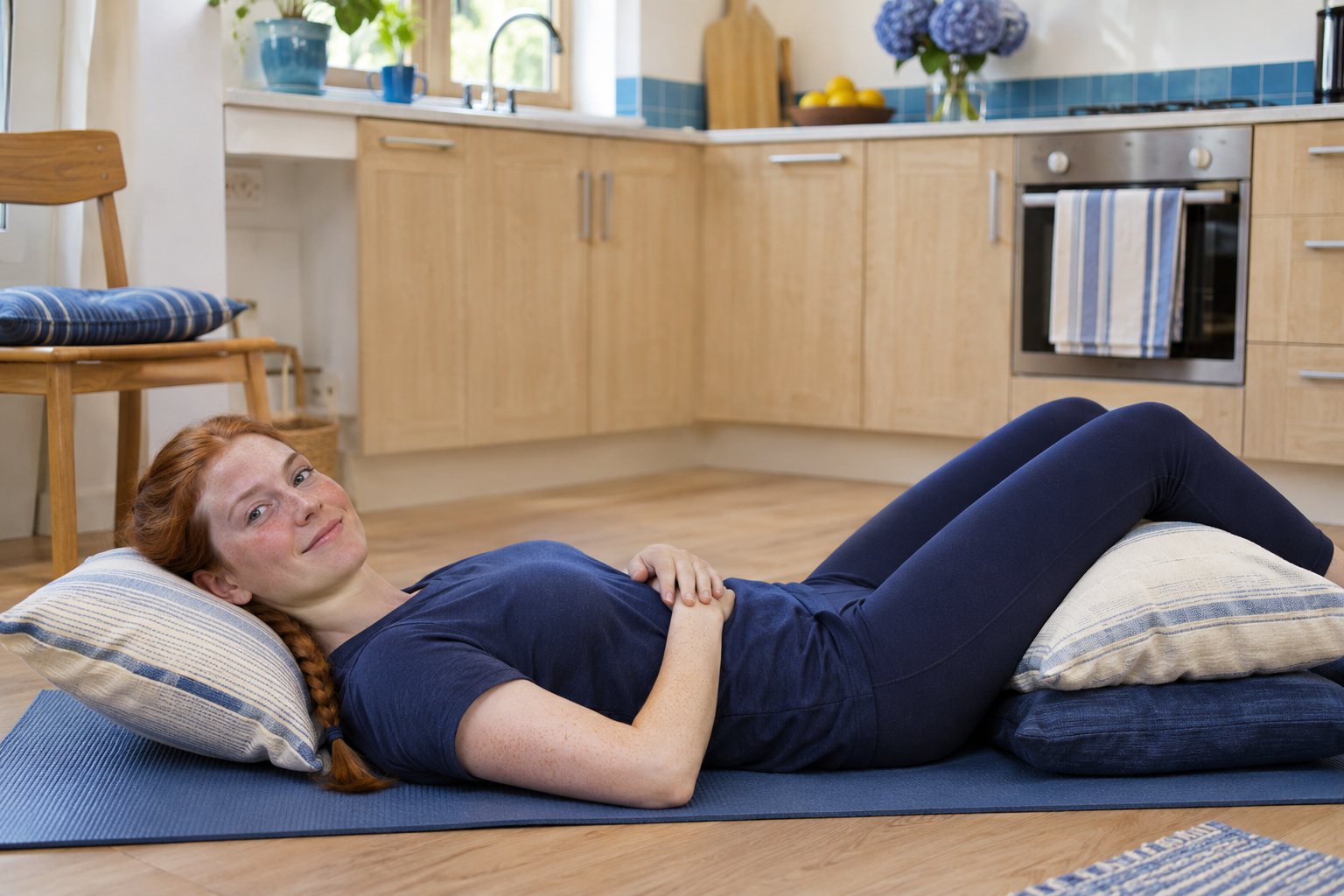
    Reclined Movement and POTS: Finding an Individual Starting Point

    If standing brings dizziness or a racing heart, movement advice can feel as though it was written for somebody else. Reclined or seated activity may be part of an individualized POTS plan, but being horizontal does not make an activity effortless or suitable for everyone.

    Begin with the right support

    Ask a clinician or physiotherapist familiar with your condition what is appropriate for you, especially if you also experience post-exertional malaise, joint instability, or significant pain. Johns Hopkins’ POTS guidance emphasizes treatment tailored to the individual.

    If you have already been given a movement plan, arrange a supported position and an easy way to stop. Getting down to the floor and back up may be more demanding than the activity itself; a suitable bed or other clinician-approved setup may be more accessible.

    Notice the whole response

    Do not judge tolerance only by your heart rate or how you feel during a session. Pay attention to later symptoms and share changes with your care team. Avoid increasing activity automatically because a calendar or online program says it is time.

    On a difficult day, comfortable positioning may be all you choose. You are not missing an opportunity by resting. Movement is one possible part of care, and it should fit your health and your goals rather than become another obligation to prove you are trying.

  • Bed Mobility and Comfort During a Difficult Flare

    Bed Mobility and Comfort During a Difficult Flare

    On a difficult flare day, even the phrase “gentle exercise” can feel like another demand. If you are spending more time in bed, comfort, essential care, and the guidance of your own clinicians matter more than completing a generic routine.

    Start with what you need now

    Perhaps a pillow has slipped, your phone is out of reach, or a sheet is pulling against a painful area. Ask for help with positioning if moving yourself is difficult. Use any pressure-care or mobility plan prescribed for you, including assistance or equipment where needed.

    If a clinician has shown you movements suitable for bed, use their instructions and your agreed stopping points. Do not add stretches, repetitions, or resistance simply because they look mild in a video. Severe illness and post-exertional symptoms can make small activities consequential.

    Let feedback change the plan

    Pain, dizziness, unusual breathlessness, new weakness, or worsening symptoms are reasons to stop and seek appropriate advice. If you cannot change position or meet basic needs safely, contact your care team or support person rather than trying to manage alone.

    A flare day does not need to become a rehabilitation session. Sometimes the most useful action is asking someone to refill a drink, adjust bedding, or reduce noise. Your body deserves care even on days when movement is not part of that care.

  • Core Support Without a One-Size-Fits-All Workout

    Core Support Without a One-Size-Fits-All Workout

    Core exercise is often presented as a list of crunches, planks, and increasingly difficult challenges. If you live with pain, dizziness, or fatigue, that framing may not fit your body or your goals. Support for everyday movement can start with an individual assessment rather than a generic workout.

    Ask what the exercise is for

    Is the aim to make a transfer easier, support a particular activity, or address a problem identified by your clinician? A clear purpose helps you and a physiotherapist choose an appropriate starting point. The same exercise may be useful for one person and unsuitable for another.

    Tell your clinician about post-exertional symptoms, joint instability, pelvic symptoms, recent surgery, and any difficulty getting onto the floor. Ask for a version you can enter and leave safely, as well as clear guidance about when to stop.

    Keep effort responsive

    Avoid holding your breath, bracing continuously through the day, or pushing through pain because an exercise looks simple. Follow the plan you have been given and report symptoms during or after it. There is no universal number of repetitions that makes an exercise gentle.

    Sometimes the next useful step is improving support during daily tasks rather than adding a workout. Your body is not a project that must become stronger before it deserves comfort. Movement goals can be small, practical, and shaped around the life you want to manage.

  • Pelvic Floor Relaxation: Why Individual Assessment Matters

    Pelvic Floor Relaxation: Why Individual Assessment Matters

    Pelvic pain can be difficult to discuss, and online advice may quickly assume that the answer is either strengthening or relaxing the pelvic floor. Pain has many possible causes. A routine chosen without assessment may miss what you actually need.

    Start with an informed conversation

    Ask a clinician or pelvic health physiotherapist about an assessment, particularly if symptoms are persistent, new, or changing. NHS information on pelvic pain describes a range of causes and circumstances requiring urgent care. Severe or sudden symptoms should not be managed with an online exercise routine.

    If relaxation is appropriate, a physiotherapist can explain what it should feel like and adapt positions to your comfort. Do not assume that pushing downward, bearing down, or adding Kegel exercises will help. Strengthening and relaxation are different tools, and neither is a universal prescription.

    Keep choice and consent central

    You can ask what an assessment involves, decline a technique, request a chaperone, or pause. Your comfort and understanding matter. A good plan should include alternatives for positions or instructions that feel painful, confusing, or distressing.

    Between appointments, note the situations that affect symptoms if doing so is manageable. Bring questions rather than trying to diagnose yourself from those patterns. Pelvic pain deserves respectful care. You do not need to be embarrassed, and you do not need to solve it by trying harder to relax.