Tag: Accessibility

  • Creating an Accessible Crafting Space

    Creating an Accessible Crafting Space

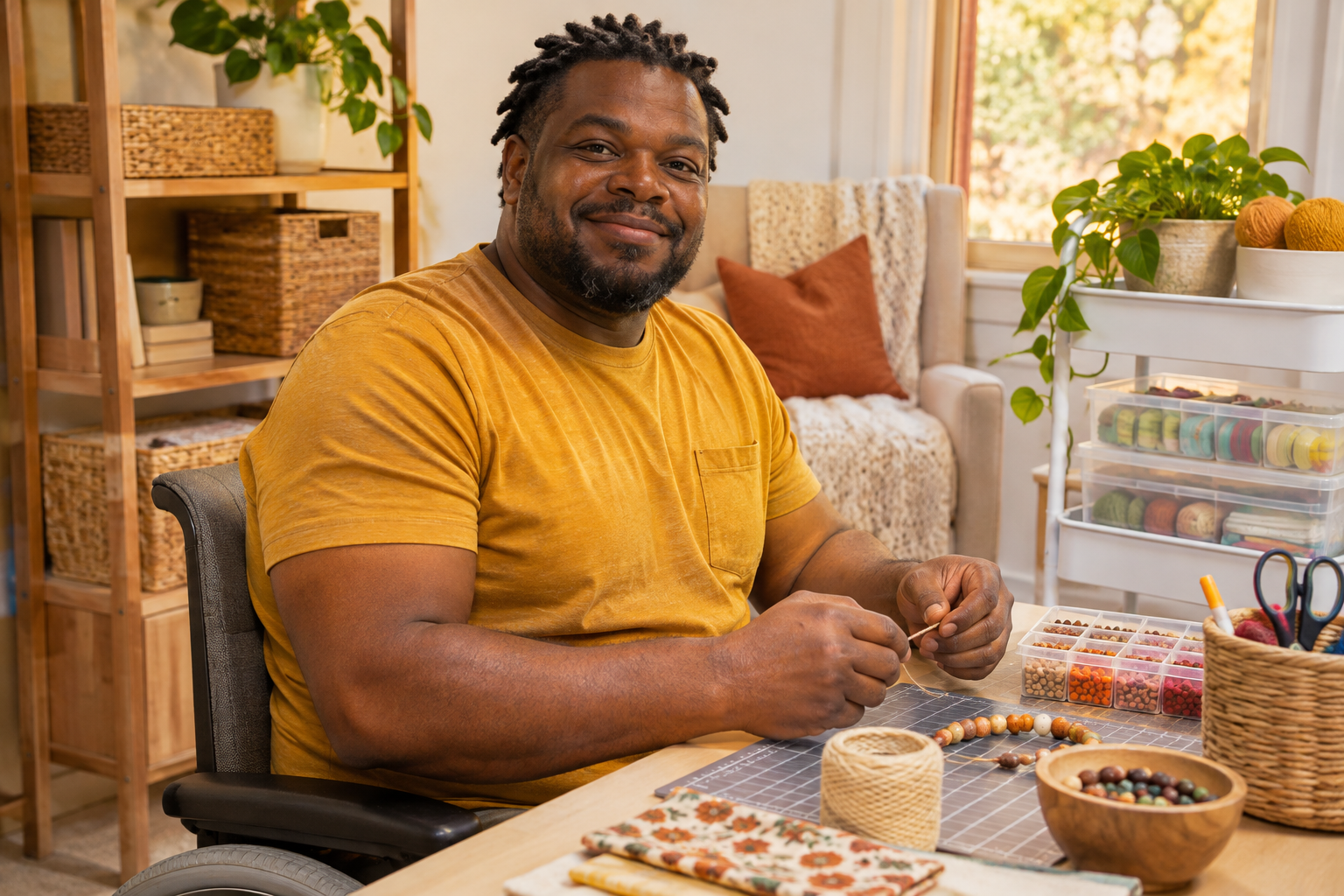
    An accessible crafting space does not have to look like a studio. It might be one tray, a comfortable chair, and the materials for a project you genuinely want to make. The space should reduce the effort between you and the enjoyable part.

    Bring the most-used supplies close

    Keep frequently used tools within a comfortable reach and use smaller containers if large boxes are heavy. A stable work surface and suitable lighting can make it easier to see without leaning awkwardly. Store sharp tools, adhesives, and small parts safely, especially in a shared home.

    Notice where the setup asks for a difficult grip or repeated movement. Larger handles, a different tool, or a simpler technique may be worth exploring. Avoid buying an entire new system before testing one useful change.

    Plan a gentle stopping point

    Choose a way to set the work down safely without having to tidy everything immediately. A lidded project box or tray can make it easier to return later. Include cleanup in your sense of how demanding the activity will be.

    Creative time does not need to result in a finished object or a product to sell. You can enjoy choosing colors, making a few stitches, or simply arranging the materials. If crafting worsens symptoms, scale back and seek individualized advice. Your interest deserves room, even when your pace changes.
  • Seated Lower-Body Mobility Within Your Limits

    Seated Lower-Body Mobility Within Your Limits

    Seated movement may sound automatically easy, but stiffness, pain, and fatigue can make even a small motion demanding. The useful question is not how many repetitions you should complete. It is whether a particular movement is appropriate and comfortable for you today.

    Begin with a stable position

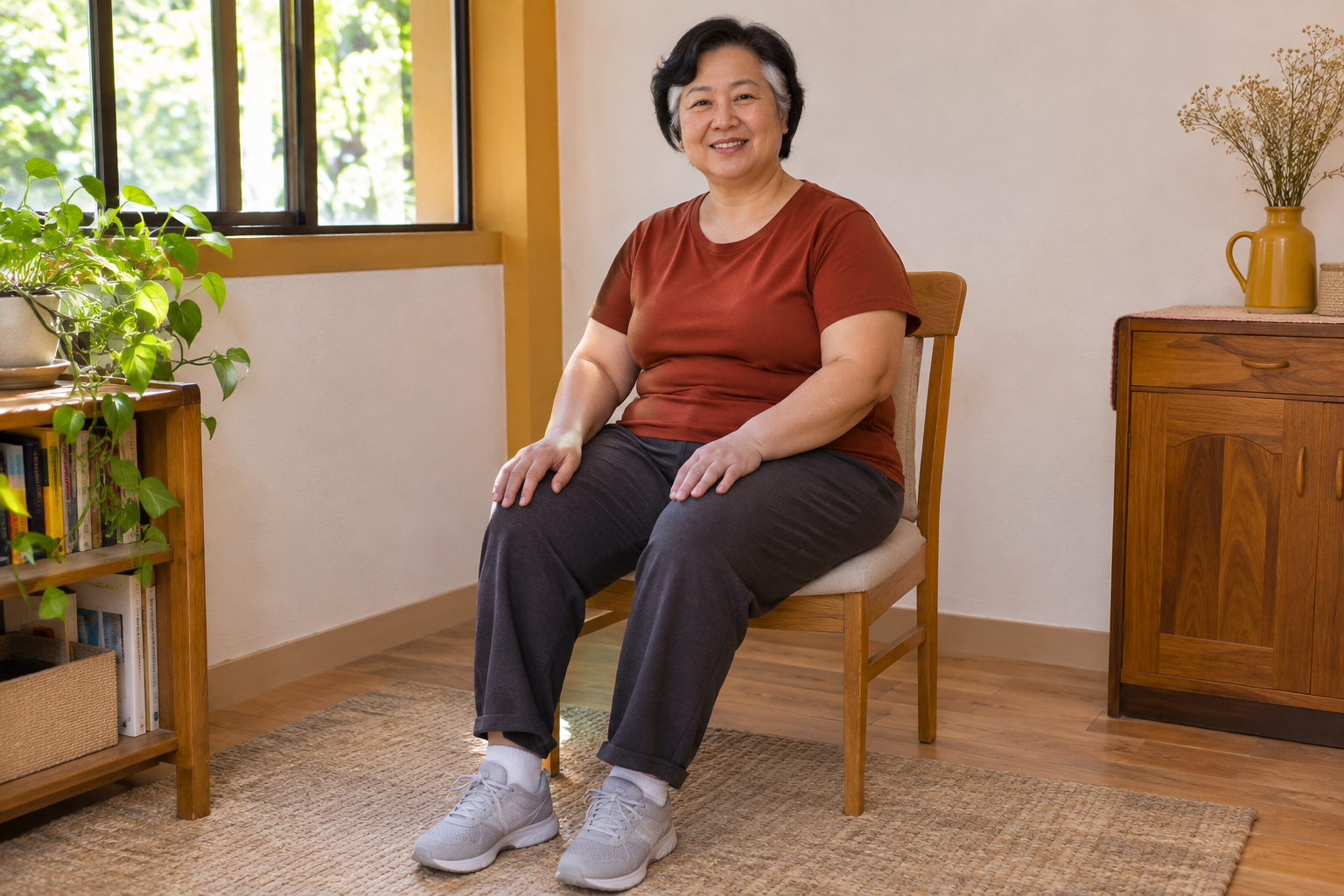
    Use a suitable chair that does not roll away, with your feet supported and enough space around you. If you have been given a mobility plan, follow that guidance. Small ankle or knee movements may be part of some plans, but joint problems, recent surgery, and neurological conditions can change what is suitable.

    Avoid bouncing, forcing a range, or pulling yourself into a position. Stop with sharp pain, new swelling, dizziness, numbness, or another concerning symptom. A clinician or physiotherapist can help distinguish ordinary stiffness from something that needs a different approach.

    Count recovery as part of the activity

    Notice how you feel afterward, including later in the day or the following day if symptoms can be delayed. There is no obligation to increase the amount each week or to match someone else’s routine.

    Sometimes adjusting the seat, supporting a leg, or taking pressure off a sore area is more useful than moving it. You can choose rest without losing your chance to care for yourself. A movement plan should make room for changing capacity, not require you to override it.

  • Chair Yoga That Makes Room for Your Limits

    Chair Yoga That Makes Room for Your Limits

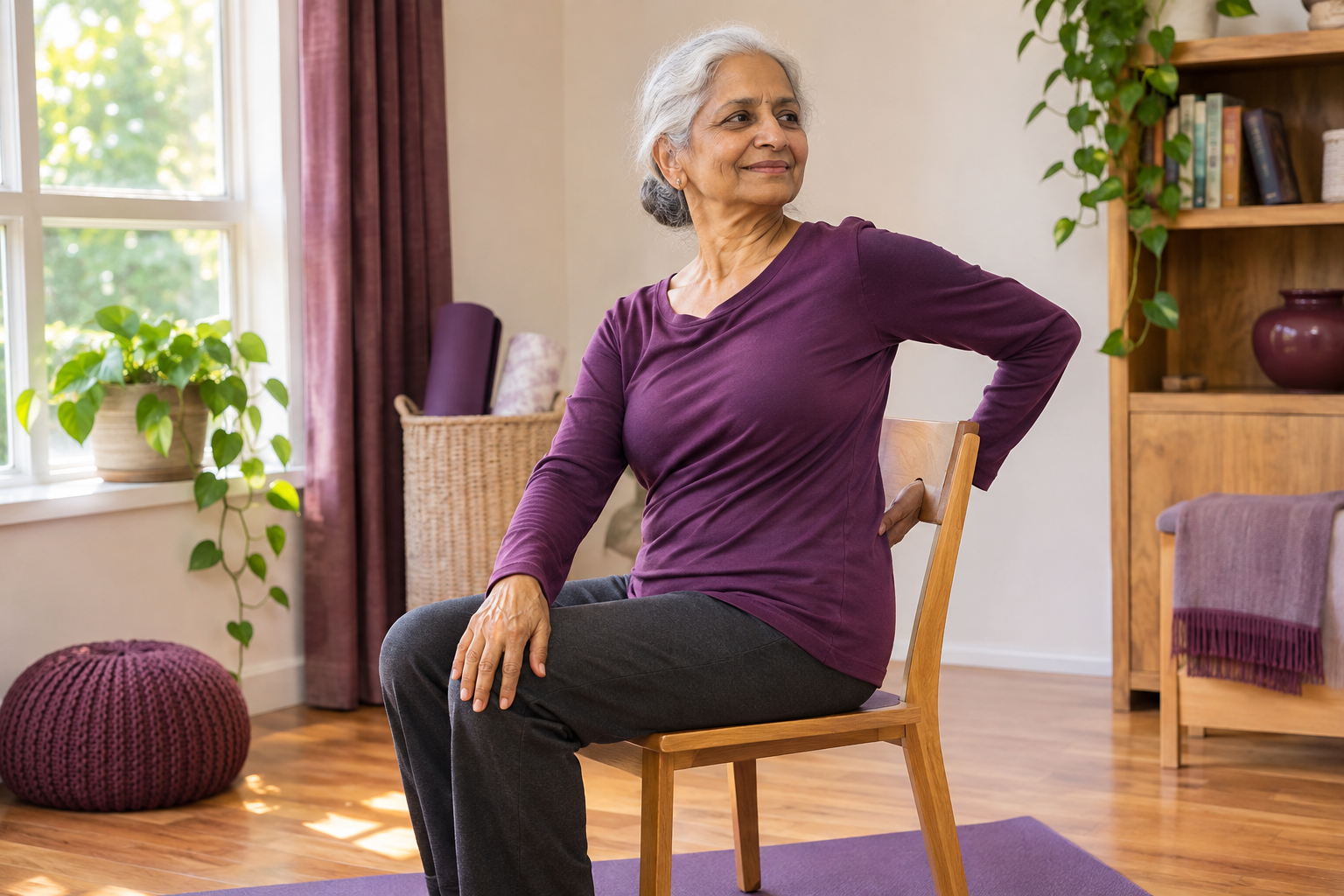
    Chair yoga can make some movements more accessible, but the word “seated” does not make every sequence suitable for every person. A useful session should be adaptable enough that stopping, skipping a pose, or resting is an ordinary part of it.

    Choose the setting carefully

    Use a stable chair and enough clear space. If you have dizziness, pain, joint instability, recent surgery, or post-exertional symptoms, ask a qualified clinician what is appropriate before following a class. Let the instructor know about relevant limitations without feeling obliged to share your whole medical history.

    Avoid deep forward folds, forceful twists, end-range stretches, or breath holds if they do not fit your care plan. An instructor should offer alternatives without pressuring you to achieve the photographed shape of a pose.

    Let the smallest version count

    Your session might involve sitting comfortably, noticing support, and trying one familiar movement. It may also involve deciding that today is not a movement day. Pay attention to later symptoms rather than judging success only by how the activity felt at the time.

    Chair yoga does not have to produce energy, flexibility, or a particular emotional state to be worth considering, and it is fine if it is not useful for you. Accessibility includes the freedom to choose a different activity—or to rest—without being treated as though you have given up.