
Tag: Sleep

  • Evening Wind Down Routines for Pain Management

    Evening Wind Down Routines for Pain Management

    Evenings can be difficult when pain rises just as the day becomes quiet. A wind-down routine cannot promise comfortable sleep, but it can reduce a few avoidable demands and make the transition to bed feel less abrupt.

    Prepare a soft landing

    Choose two or three things that make bedtime easier: put water within reach, set out tomorrow’s clothes, or dim a lamp. Keep prescribed medicines on their usual schedule and store them safely. A routine should not become a long list you have to complete while exhausted.

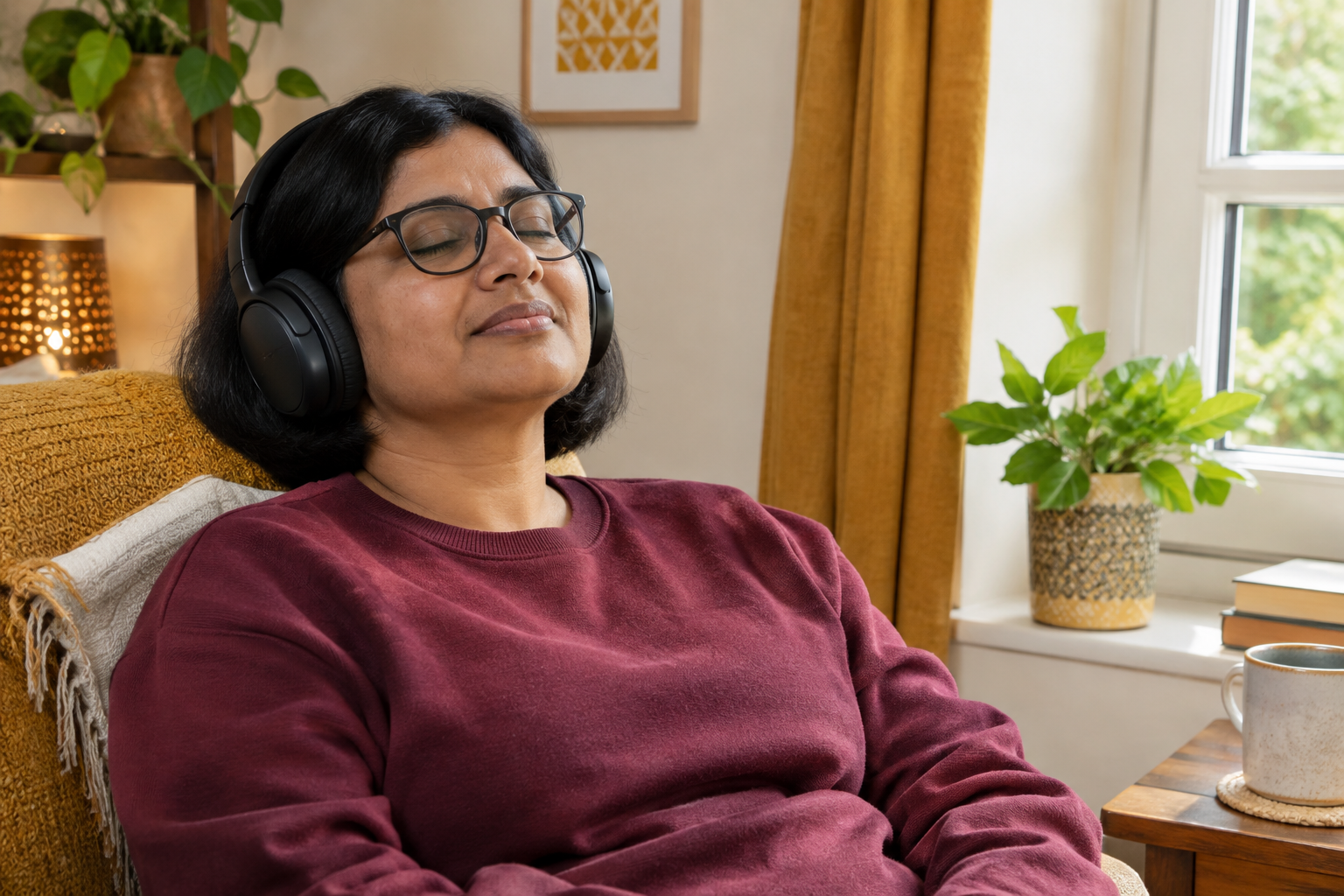
    If screens keep you engaged longer than you want, try an audio option or a familiar book. If silence makes pain feel louder, quiet background sound may be more comfortable. There is room for preference here.

    Make comfort adjustable

    Arrange pillows so you can change position without rebuilding the whole bed. If you use a heat product, follow its instructions and avoid sleeping with it unless it is specifically designed and approved for that use. Skip heat on areas with reduced sensation or when your clinician has advised against it.

    Notice what helps you settle, without expecting a routine to erase symptoms. If pain repeatedly disrupts sleep, bring that pattern to your clinician; you deserve more than advice to relax. On a hard night, completing one small comfort step can be enough. You have not failed because sleep remains difficult.

  • Nighttime Hydration: Comfort, Access, and When to Ask for Help

    Nighttime Hydration: Comfort, Access, and When to Ask for Help

    Waking thirsty or uncomfortable can make you wonder whether you should change what you drink before bed. A small practical adjustment may help with access, but nighttime symptoms deserve more care than a blanket instruction to drink extra electrolytes.

    Make your existing plan easier

    Keep a manageable drink within reach on a stable surface if that suits your care plan. A spill-resistant container may be helpful if lifting a glass is difficult. Arrange a clear, well-lit route to the bathroom, and use any mobility supports you normally need.

    If late drinks repeatedly interrupt sleep with bathroom trips, mention the pattern to your clinician. Fluid timing may need individual advice, particularly if you have a prescribed fluid limit or take medicines affecting urination or blood pressure.

    Do not assume the cause

    A racing heart at night is not automatically dehydration. Recurrent or changing palpitations need medical assessment. Palpitations that do not settle, or occur with chest pain, breathlessness, faintness, or fainting, require urgent emergency evaluation. The NHS palpitations guidance describes these warning signs; use your local emergency service.

    Keep brief notes about when symptoms occur and what accompanies them, without making yourself monitor every sensation all night. Bring those notes to your care team. The aim is a safer, more comfortable routine based on your needs, not another remedy you have to experiment with alone at two in the morning.

  • Guided Imagery as an Optional Comfort

    Guided Imagery as an Optional Comfort

    Guided imagery invites you to imagine a place, scene, or experience that feels comfortable. It can be a quiet way to direct attention, but you do not need vivid mental pictures or a perfectly calm mind for the pause to be worthwhile.

    Choose something that feels welcoming

    You might think of a familiar room, the sound of rain, or the warmth of a mug in your hands. If visualization is difficult, focus on words, sounds, or a real object nearby. There is no correct image to produce.

    Keep your eyes open if you prefer, and choose an audio recording only if the voice and content suit you. Stop if the exercise brings distress, unwanted memories, or more discomfort. The NCCIH relaxation overview describes these practices as complementary approaches, with individual responses and limitations.

    Leave the outcome open

    You may feel a little more settled, feel unchanged, or decide it is not for you. None of those responses means you have done it badly. Avoid recordings that promise to cure illness or suggest that symptoms continue because you are not relaxing deeply enough.

    Keep medical care and prescribed treatment in place. Guided imagery can be a small optional comfort, like a familiar song or a quiet view. It does not have to become a daily assignment or another technique you must master.