Tag: Self Care

  • Navigating the Holidays with Chronic Illness

    Navigating the Holidays with Chronic Illness

    The holiday season often comes with high expectations, packed schedules, and heavy social obligations. For people with chronic conditions, these demands can quickly lead to severe fatigue and physical flares.

    Navigating the holidays successfully requires setting clear boundaries and focusing on what matters most. You do not need to attend every gathering, cook elaborate meals, or participate in every tradition.

    Reducing demands may make space for meaningful holiday moments, although it cannot guarantee that symptoms will not worsen.

    Gentle Management Tips

    • Select a few priority holiday events to attend and politely decline other invitations to protect your energy.
    • Choose a visit length that fits your own capacity, which may be much shorter than others expect, and plan a way to leave.
    • Host lower key gatherings at home, ordering takeout or organizing potluck style meals to reduce physical preparation.

    Keep one meaningful piece

    Ask yourself which part of a tradition matters most: a particular song, seeing one person, or tasting a familiar food. You may be able to keep that piece while changing the rest. A visit can be brief, virtual, or postponed. You do not need to host instead of attending; staying home should not automatically create a new job for you.


  • Maintaining Work Boundaries When Living With Pain

    Maintaining Work Boundaries When Living With Pain

    Working while managing chronic pain requires firm professional boundaries. Overextending yourself to meet extra demands can lead to severe physical flares and career burnout.

    Setting clear work boundaries means sticking to designated hours, pacing tasks, and saying no to extra projects when your schedule is full. Protecting your health reserves makes your work performance sustainable.

    Your health is your top priority. Maintaining strong work boundaries benefits both your career and your physical well being over time.

    Gentle Management Tips

    • Establish firm start and stop times for your workday to prevent professional overload.
    • Discuss breaks that fit your role and symptoms, whether that means changing position, reducing stimulation, or resting.
    • Focus your energy on high priority work tasks before taking on extra projects.

    Give the boundary a usable shape

    A specific sentence may be easier than a broad promise to work less: "I can finish this tomorrow, or we can move another priority." For some roles, flexibility is limited and support needs a formal conversation. Keep a record of agreed expectations. Boundaries can help clarify demands, but they cannot make every workload or workplace sustainable on their own.

  • Making Your Hydration Routine Easier to Follow

    Making Your Hydration Routine Easier to Follow

    Sometimes the hardest part of following a hydration plan is not remembering that water exists. It is lifting a heavy bottle, getting to the kitchen, opening a tight lid, or realizing your drink is just beyond reach when standing feels difficult.

    Remove one practical obstacle

    Choose a container you can comfortably lift and clean. A smaller cup refilled with help may be easier than a very large bottle. Place drinks where you actually spend time, on stable surfaces away from electronics and out of children’s reach when necessary.

    If reminders help, connect a check-in to something you already do, such as lunch or a scheduled medicine. A reminder can simply mean “notice what I need,” rather than “finish a whole bottle now.”

    Keep the medical plan personal

    Fluid needs differ, and some conditions require a restriction. If you have POTS, heart or kidney disease, take medicines affecting fluid balance, or have been advised to use electrolytes, ask your clinician what is appropriate for you. More fluid is not automatically better.

    Write down the plan in plain language, including what to do if you cannot keep fluids down. Avoid treating every episode of dizziness as proof you need another drink; new or worsening symptoms may need assessment. The aim is a routine that is easier to follow, not another daily scorecard that leaves you feeling behind.

  • Simplifying Skincare and Hygiene on Low Days

    Simplifying Skincare and Hygiene on Low Days

    On a low-capacity day, a routine that usually takes ten minutes can feel enormous. Hygiene can be adapted around what matters most today, without turning every skipped step into a judgment about how well you are coping.

    Choose a smaller version

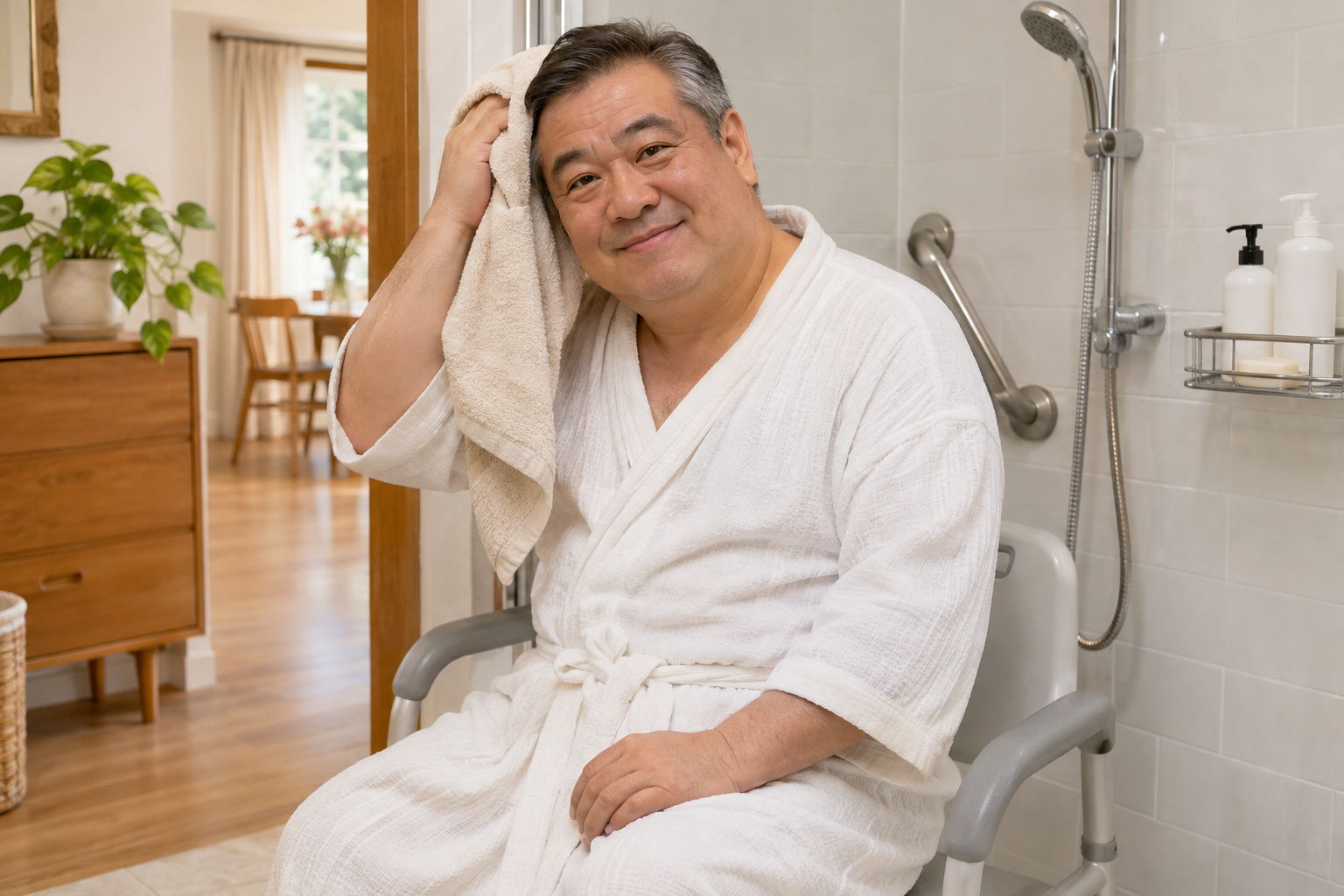
    Separate essential care from optional skincare. A washcloth, a seated wash, or a simpler product routine may be more manageable than a full shower. Use products you already tolerate, and avoid harsh scrubbing or adding unfamiliar ingredients when your skin is irritated.

    Keep supplies together in an accessible place. If a shower chair or other aid would help, choose equipment designed for the purpose and appropriate for your space. An ordinary household stool may not be safe on a wet surface.

    Make help less awkward

    If you need assistance, name the part you want help with and the privacy you want to keep: “Could you set out towels and stay nearby while I shower?” Support can be practical without taking away your choices.

    Follow specific clinical advice for wounds, skin conditions, dental care, or other health needs. If essential care has become consistently difficult, tell your care team and ask about support. You deserve practical assistance, not a lecture about motivation. A simplified routine can be a thoughtful response to limited energy, and tomorrow’s routine can be different.

  • Heat Wraps for Back Discomfort: Comfort with Care

    Heat Wraps for Back Discomfort: Comfort with Care

    A heat wrap may offer temporary comfort for some kinds of back discomfort, but warmth is not a cure and stronger heat is not better heat. The most useful approach is one that feels comfortable, follows product instructions, and fits your medical situation.

    Check whether heat is suitable

    Avoid applying heat where sensation or circulation is reduced, over damaged skin, or where your clinician has advised against it. New or unexplained pain deserves assessment rather than repeated attempts to warm it away. NHS hospital guidance on heat and cold explains relevant precautions.

    Use the product’s recommended setting, barrier, and duration. Check your skin and stop if it becomes uncomfortable or excessively red. Do not sleep with an ordinary heating pad, place heavy pressure on it, or use a damaged electrical product. Follow the specific instructions rather than assuming all wraps work alike.

    Make the rest of the setup comfortable

    Support your body in a position you tolerate and keep controls within reach. If warmth makes you dizzy or worsens symptoms, stop and choose another comfort measure. A pillow adjustment, a quieter room, or practical help may be the better option.

    You do not need to buy a new device because your pain persists. Tell your care team what you have tried and how it affects you. Comfort measures belong alongside appropriate care, with your experience taken seriously.

  • Somatic Tracking: Questions, Boundaries, and Support

    Somatic Tracking: Questions, Boundaries, and Support

    You may have encountered somatic tracking described as a way to notice sensations with less fear. For some people, approaches involving attention and pain education are part of care. They should never require you to dismiss symptoms, assume every sensation is harmless, or believe that pain is your fault.

    Put assessment before reassurance

    Persistent, changing, or unexplained pain deserves medical evaluation. Different conditions need different treatment, and an online exercise cannot establish that a sensation is safe. If you are interested in somatic tracking, discuss it with a qualified clinician who understands your diagnosis and takes your symptoms seriously.

    Ask what the approach is intended to help with, what evidence supports it for your situation, and when to stop. You should be able to decline or modify an exercise without being told that reluctance is causing your illness.

    Keep attention flexible

    Focusing inward can be uncomfortable or distressing for some people. Looking around the room, listening to familiar audio, or simply changing the subject may feel better. You do not need to repeatedly scan your body or force yourself to feel reassured.

    Pain care can include emotional support without reducing physical illness to emotion. A compassionate approach leaves room for uncertainty, medical treatment, and your own observations. The goal is support that expands your options, not a new responsibility to think your way out of symptoms.

  • Connecting with Nature on Low-Energy Days

    Connecting with Nature on Low-Energy Days

    Being outdoors can be enjoyable, but “just get outside” is not simple advice when pain, heat, access, or fatigue makes leaving home difficult. A connection with nature can be small and close by, without becoming another activity you are expected to complete.

    Bring the experience within reach

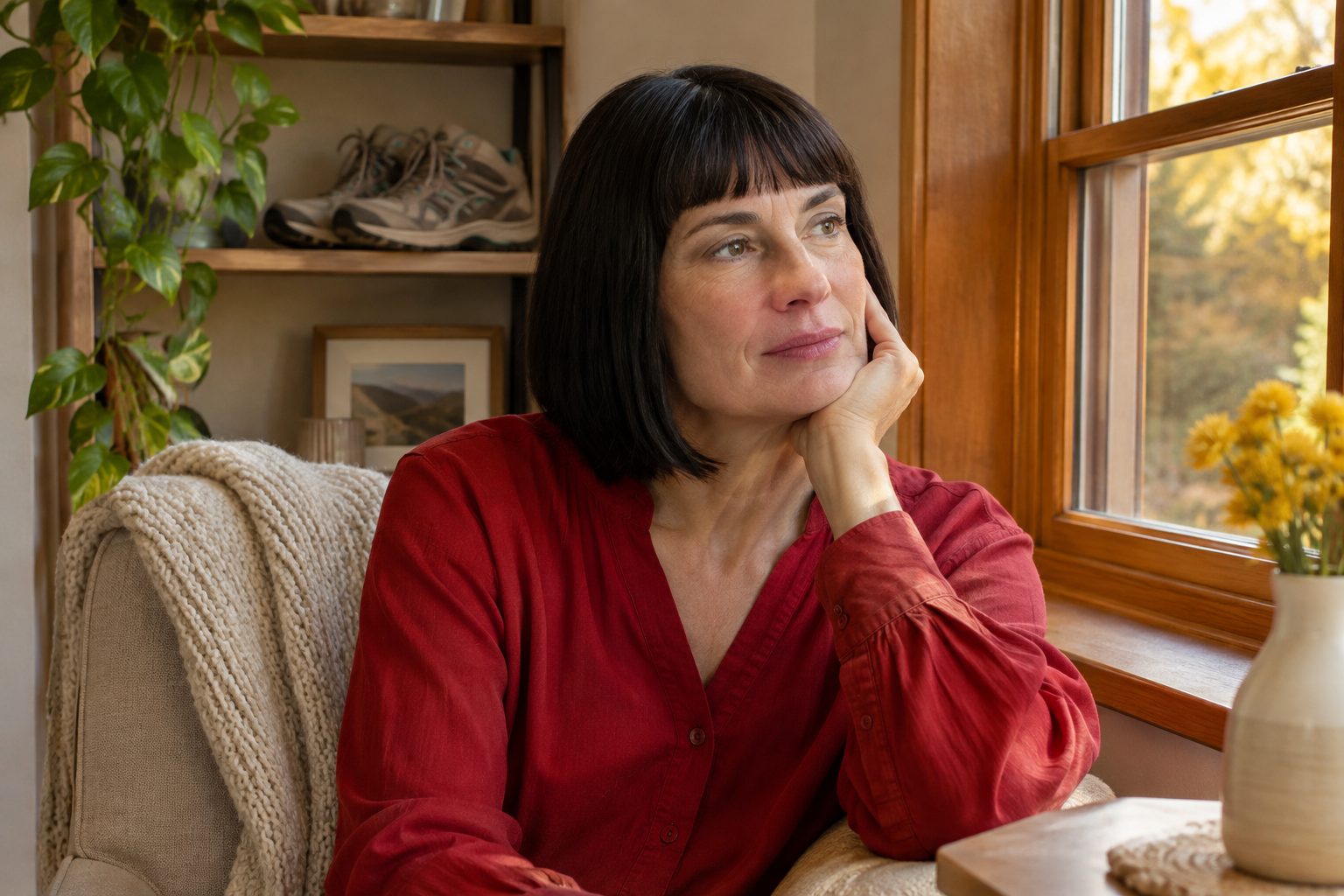
    Sit near a window, notice the changing light, listen to birds, or look at a familiar tree. A houseplant, a photograph, or a nature recording may offer a pleasant point of attention. You do not have to walk a certain distance or spend a prescribed number of minutes outside.

    If you do go out, consider seating, temperature, shade, and an easy return route. Follow your usual precautions for sun, allergies, mobility, and symptoms. A balcony or doorstep may be enough, and some days staying indoors is the more comfortable choice.

    Let it be an interest rather than a treatment

    Notice one detail if you want to: the shape of a leaf, the movement of a cloud, or a change since yesterday. You do not need to feel peaceful or grateful on demand. Nature can be pleasant while illness remains frustrating.

    If this does not appeal to you, another quiet interest may fit better. The point is to make room for something you enjoy within your actual circumstances. Access and comfort matter more than meeting someone else’s picture of a healthy day.

  • Acknowledging Grief for Your Former Physical Capacity

    Acknowledging Grief for Your Former Physical Capacity

    Grief can appear in ordinary moments: seeing old running shoes, remembering an effortless outing, or realizing that a familiar task now needs help. You can miss your former capacity while still valuing the life you have. Those feelings do not cancel each other out.

    Name what you are actually missing

    It may be movement itself, spontaneity, privacy, income, confidence, or the way an activity connected you with other people. Naming the loss can help you understand why a seemingly small reminder hurts so much.

    You do not need to immediately find a positive replacement. Sometimes the honest response is, “I miss that, and today it feels painful.” A trusted person can listen without turning the conversation into advice about acceptance.

    Explore continuity gently

    When you want to, consider whether any part of the old experience remains available in a different form: following a favorite team, making art on a smaller scale, or spending time with people who share an interest. These options do not erase the loss, and you are allowed to decline them.

    If grief becomes overwhelming or leaves you feeling persistently disconnected from life, professional support may help. There is no deadline for making peace with a changed body. You deserve room for sadness, interest, anger, affection, and all the other feelings that can coexist in an altered life.

  • Building a Cozy Rest Den in Your Living Room

    Building a Cozy Rest Den in Your Living Room

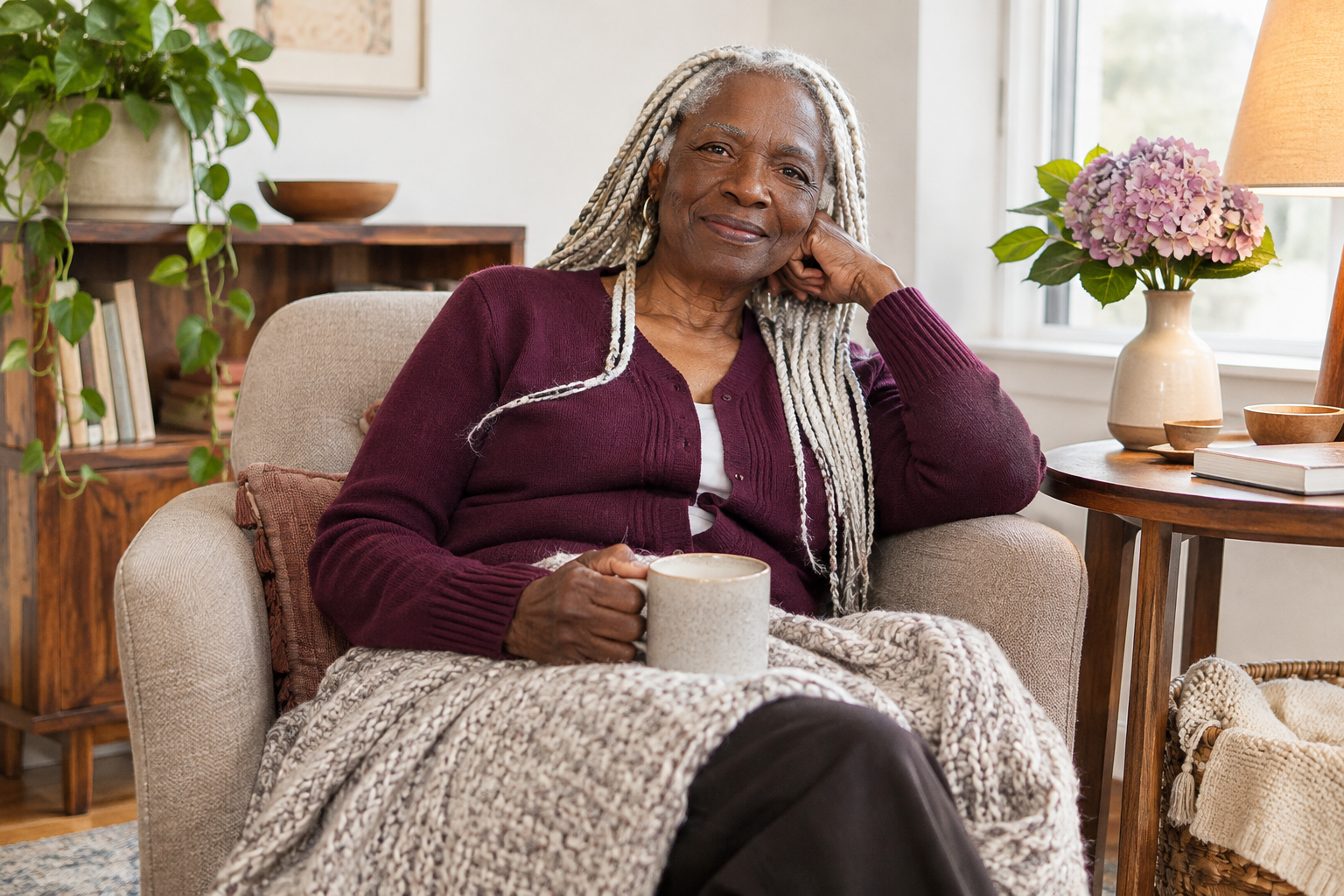
    A living-room rest space can make it easier to remain part of household life without sitting upright at a table or retreating to the bedroom every time you need support. It can be simple, practical, and built from things you already own.

    Arrange for easy reach

    Choose a comfortable seat or sofa position, then place a stable side table where you can reach it without twisting or stretching. Keep a phone, a manageable drink, and one enjoyable item nearby. Avoid crowding the space with supplies that become difficult to organize.

    Support your body in ways you tolerate and keep the route to the bathroom clear. Secure cords and avoid trailing blankets on the floor. Store medicines safely rather than leaving them accessible to children or visitors.

    Make the social rules comfortable too

    Let household members know what helps: quiet company, a lower television volume, or checking before starting a long conversation. Resting in a shared room does not mean you are available for every request.

    Review the setup after using it. The useful question is whether it reduces effort, not whether it looks like a photograph. If it takes more energy to maintain than it saves, remove something. A rest corner is a place to receive support from your surroundings, not another home project you need to finish perfectly before you are allowed to use it.