Tag: Nutrition

  • Sodium and POTS: Making Your Individual Care Plan Easier

    Sodium and POTS: Making Your Individual Care Plan Easier

    When a clinician recommends additional sodium for POTS, the daily logistics can become surprisingly tiring. Salty drinks may get monotonous, supplements may upset your stomach, and online advice can make it sound as though everyone needs the same amount. They do not.

    Start with your own treatment plan

    Ask your clinician to clarify your sodium and fluid targets, how those targets fit your other conditions and medicines, and what to do when symptoms change. Increasing sodium is not appropriate for everyone. Do not use someone else’s target or take extra salt tablets as an improvised rescue treatment.

    Johns Hopkins describes POTS treatment as individualized, with approaches that may include fluid and dietary changes alongside other care. Read the Johns Hopkins POTS overview.

    Make the routine easier to live with

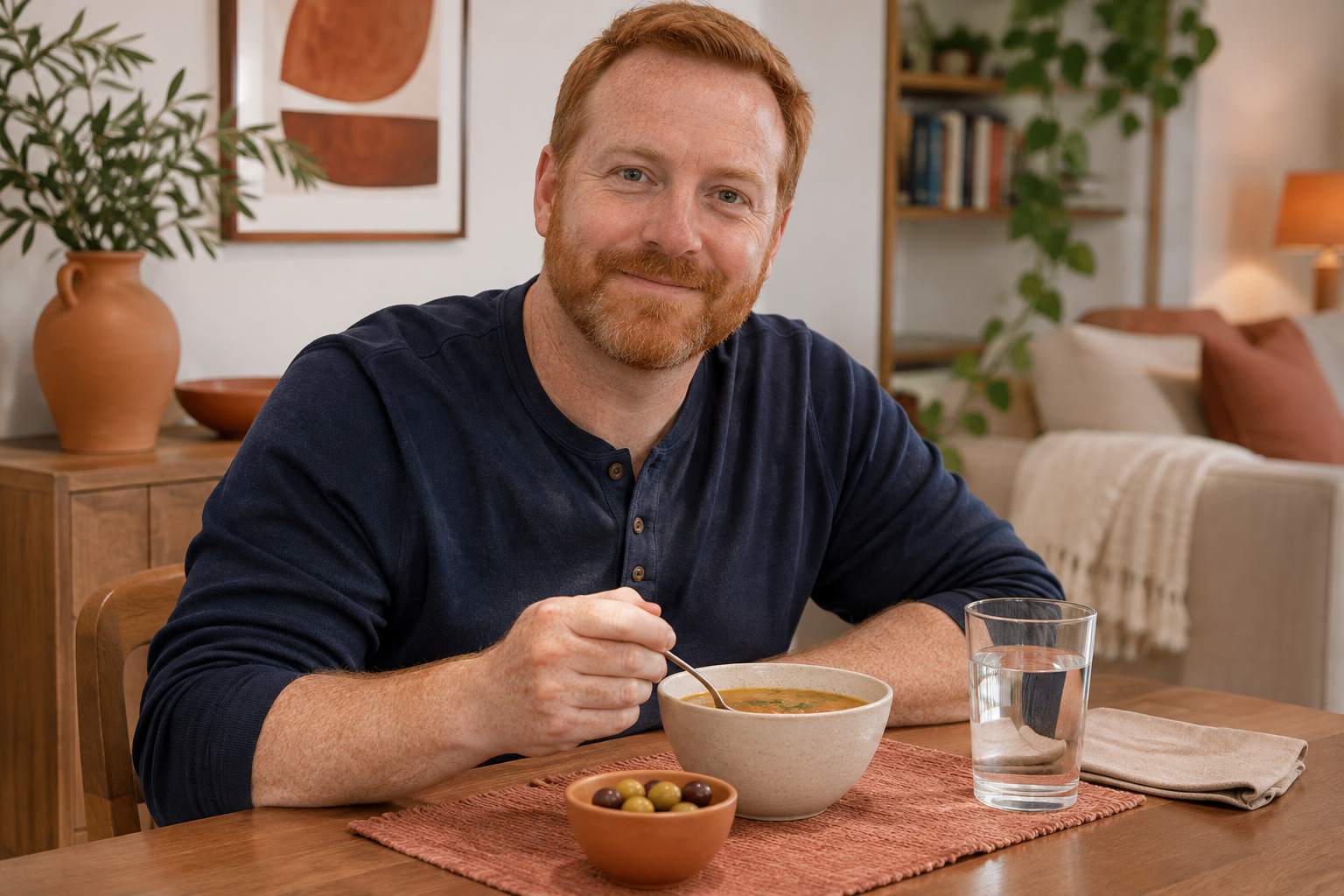
    If food-based sodium fits your plan, ask about options you already enjoy: broth, olives, crackers, or a savory addition to lunch. Check labels rather than guessing; brands and portions vary. A simple note of the foods you tolerate can be more useful than a complicated tracking system.

    Keep your agreed plan somewhere easy to find, including instructions about supplements. If nausea or taste fatigue makes it hard to follow, tell your care team. You are not failing treatment because a routine is difficult. That difficulty is information worth bringing into the next conversation.


  • Meal Prep Strategies for Chronic Fatigue

    Meal Prep Strategies for Chronic Fatigue

    Meal prep advice often assumes you have enough energy to spend a whole afternoon chopping, cooking, portioning, and cleaning. When fatigue is part of daily life, that approach may use the very energy you were hoping to save.

    Prepare one helpful component

    Choose a small task with a useful payoff: wash a few pieces of fruit, portion crackers, or make one extra serving of dinner. Ready-cooked grains, frozen vegetables, canned beans, and prepared foods can all be part of a workable plan. The best shortcut is the one you can eat, afford, and tolerate.

    Keep a short list of meals that require very little assembly. For example, soup with toast, yogurt with cereal, or a microwave grain pouch with a familiar protein. Include options for days when even assembling a meal is too much.

    Count cleanup as part of cooking

    Before starting, consider the dishes, lifting, and food storage involved. Use lighter containers and smaller portions if carrying a large pot is difficult. Refrigerate perishable food promptly and follow storage and reheating guidance; a rest break should not leave ingredients sitting out for hours.

    Ask for concrete help when it is available: “Could you portion this into containers?” is easier to act on than a general request to help with meals. Feeding yourself is the priority. A stocked freezer or a beautiful row of matching containers is optional.

  • Easy Protein Snacks for Low-Energy Days

    Easy Protein Snacks for Low-Energy Days

    When preparing food feels like a project, having a few easy snacks available can make the day less complicated. Including a familiar protein food may help a snack feel more substantial, but you do not need to hit an internet protein target to feed yourself well.

    Build a short list you will actually eat

    Consider yogurt with cereal, hummus with crackers, cheese with fruit, a ready-cooked egg, or nut or seed butter on toast. Choose options that fit your allergies, swallowing needs, dietary restrictions, preferences, and budget. Texture and smell matter when nausea or sensory sensitivity is present.

    Combine foods if it is easy, but let a single ready-to-eat item be enough when that is what you can manage. Keep perishable foods refrigerated and follow package instructions. A snack basket of shelf-stable choices can reduce trips to the kitchen.

    Ask for the useful kind of help

    Someone who wants to support you could open difficult packaging, portion food, or bring a snack within reach. Buying prepared portions may be worthwhile if opening and washing containers costs more energy than you have.

    Fatigue does not automatically mean low blood sugar, and snacks are not a substitute for investigating new symptoms. If appetite, nausea, pain, or access regularly prevents adequate eating, ask your care team about help. You deserve food that is available to you, not another set of rules that makes eating harder.