Tag: Meal Prep

  • The Reality of Food Prep with Chronic Fatigue

    The Reality of Food Prep with Chronic Fatigue

    A meal can require more steps than anyone notices until energy becomes scarce. Finding ingredients, standing, chopping, watching the stove, and clearing up may use the energy you hoped to spend eating. If cooking feels difficult, that difficulty is real.

    Convenience foods can be useful tools. A meal does not become less worthwhile because the vegetables were frozen or someone else prepared it. What works will depend on your preferences, budget, allergies, and individual dietary needs.

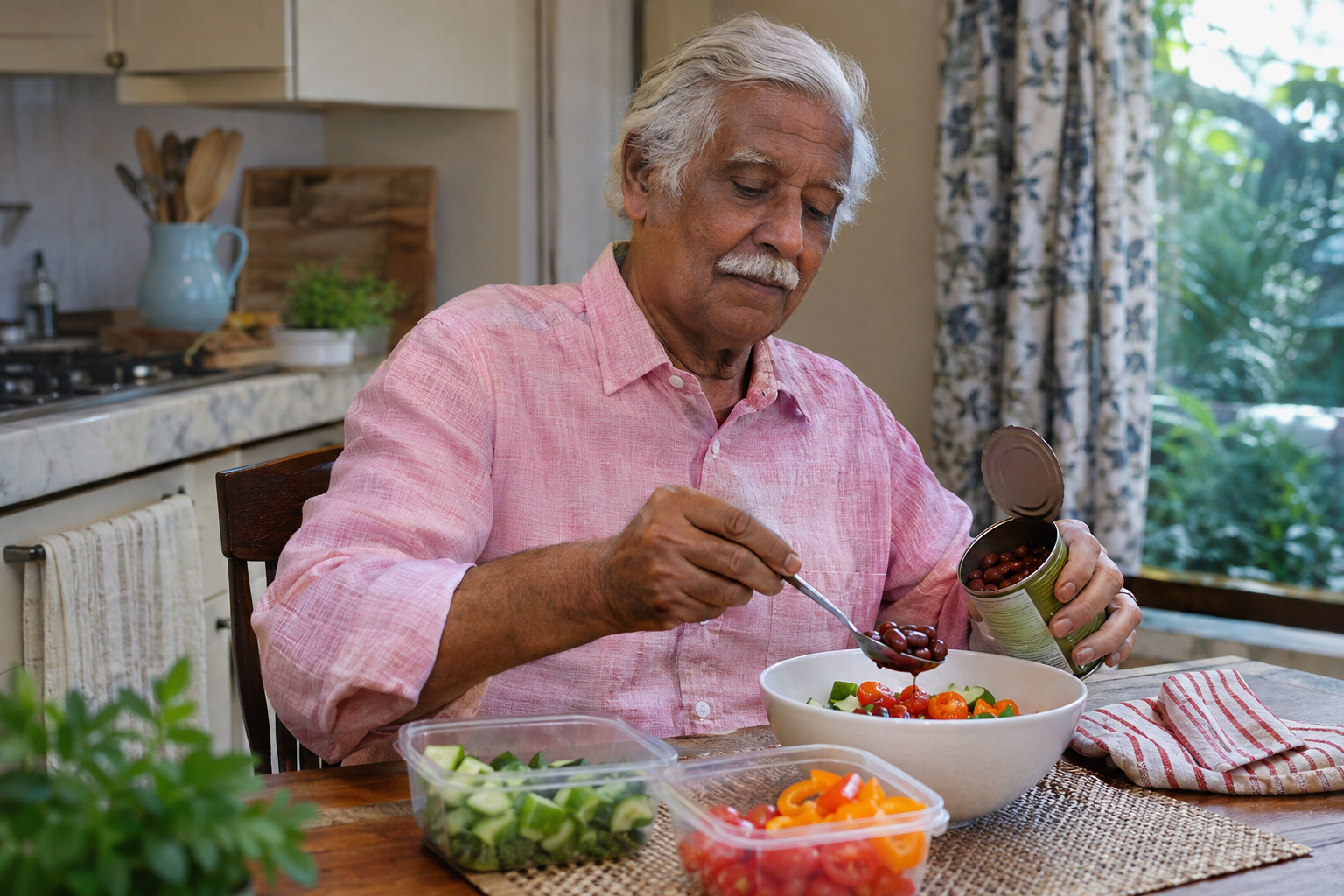
    Make assembly an option

    Keep a short list of familiar meals that need little preparation. Ready-cooked grains, canned beans, or a prepared component may reduce the number of steps. Choose foods that fit your own needs rather than trying to follow a perfect online meal plan.

    If seated preparation is comfortable, use a stable chair and table, with supplies within reach. Avoid moving hot pans or using sharp tools when dizziness or concentration problems make that unsafe. Asking for help with those parts still leaves room to participate in ways you enjoy.

    Let leftovers reduce work

    Making extra can help only when the additional preparation is manageable. You do not owe future-you a large batch on every better day. Follow food-storage instructions and refrigerate perishable food promptly; labels can make it easier to remember what is available.

    There will be days when a ready-to-eat meal is the most caring choice. Being fed matters more than proving that you cooked from scratch.
  • Meal Prep Strategies for Chronic Fatigue

    Meal Prep Strategies for Chronic Fatigue

    Meal prep advice often assumes you have enough energy to spend a whole afternoon chopping, cooking, portioning, and cleaning. When fatigue is part of daily life, that approach may use the very energy you were hoping to save.

    Prepare one helpful component

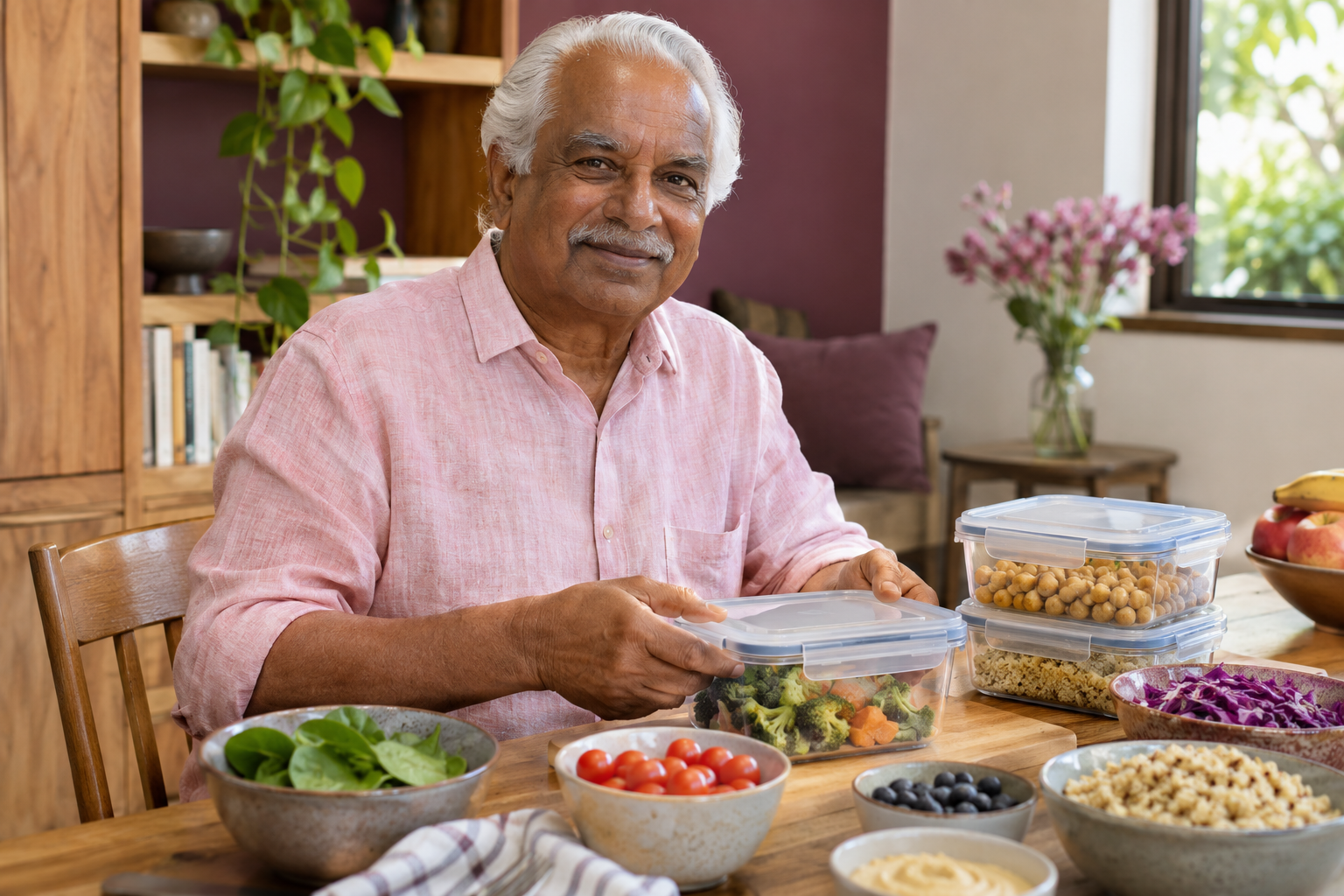
    Choose a small task with a useful payoff: wash a few pieces of fruit, portion crackers, or make one extra serving of dinner. Ready-cooked grains, frozen vegetables, canned beans, and prepared foods can all be part of a workable plan. The best shortcut is the one you can eat, afford, and tolerate.

    Keep a short list of meals that require very little assembly. For example, soup with toast, yogurt with cereal, or a microwave grain pouch with a familiar protein. Include options for days when even assembling a meal is too much.

    Count cleanup as part of cooking

    Before starting, consider the dishes, lifting, and food storage involved. Use lighter containers and smaller portions if carrying a large pot is difficult. Refrigerate perishable food promptly and follow storage and reheating guidance; a rest break should not leave ingredients sitting out for hours.

    Ask for concrete help when it is available: “Could you portion this into containers?” is easier to act on than a general request to help with meals. Feeding yourself is the priority. A stocked freezer or a beautiful row of matching containers is optional.