Tag: Low Energy

  • Simplifying Skincare and Hygiene on Low Days

    Simplifying Skincare and Hygiene on Low Days

    On a low-capacity day, a routine that usually takes ten minutes can feel enormous. Hygiene can be adapted around what matters most today, without turning every skipped step into a judgment about how well you are coping.

    Choose a smaller version

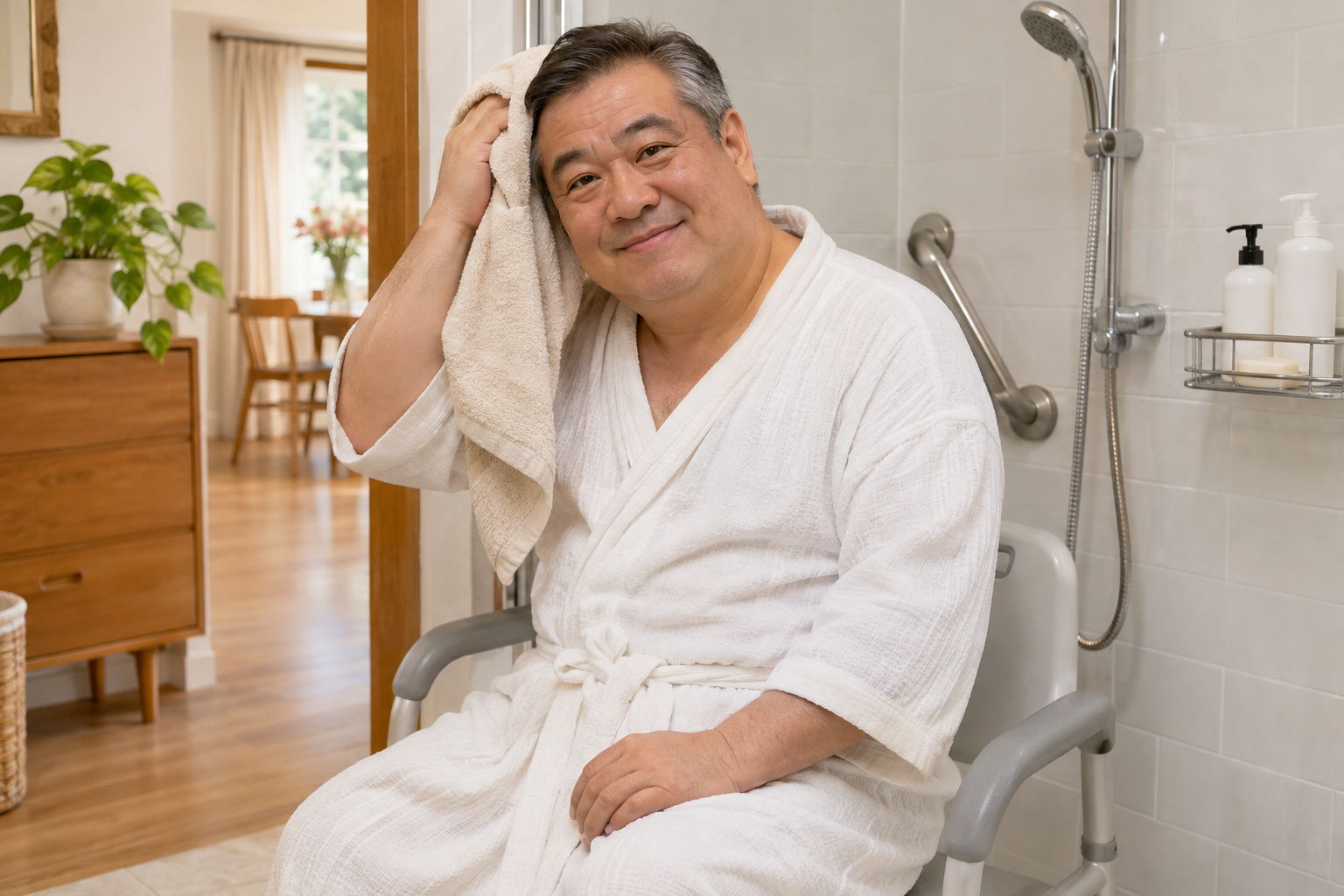
    Separate essential care from optional skincare. A washcloth, a seated wash, or a simpler product routine may be more manageable than a full shower. Use products you already tolerate, and avoid harsh scrubbing or adding unfamiliar ingredients when your skin is irritated.

    Keep supplies together in an accessible place. If a shower chair or other aid would help, choose equipment designed for the purpose and appropriate for your space. An ordinary household stool may not be safe on a wet surface.

    Make help less awkward

    If you need assistance, name the part you want help with and the privacy you want to keep: “Could you set out towels and stay nearby while I shower?” Support can be practical without taking away your choices.

    Follow specific clinical advice for wounds, skin conditions, dental care, or other health needs. If essential care has become consistently difficult, tell your care team and ask about support. You deserve practical assistance, not a lecture about motivation. A simplified routine can be a thoughtful response to limited energy, and tomorrow’s routine can be different.
  • Bed Mobility and Comfort During a Difficult Flare

    Bed Mobility and Comfort During a Difficult Flare

    On a difficult flare day, even the phrase “gentle exercise” can feel like another demand. If you are spending more time in bed, comfort, essential care, and the guidance of your own clinicians matter more than completing a generic routine.

    Start with what you need now

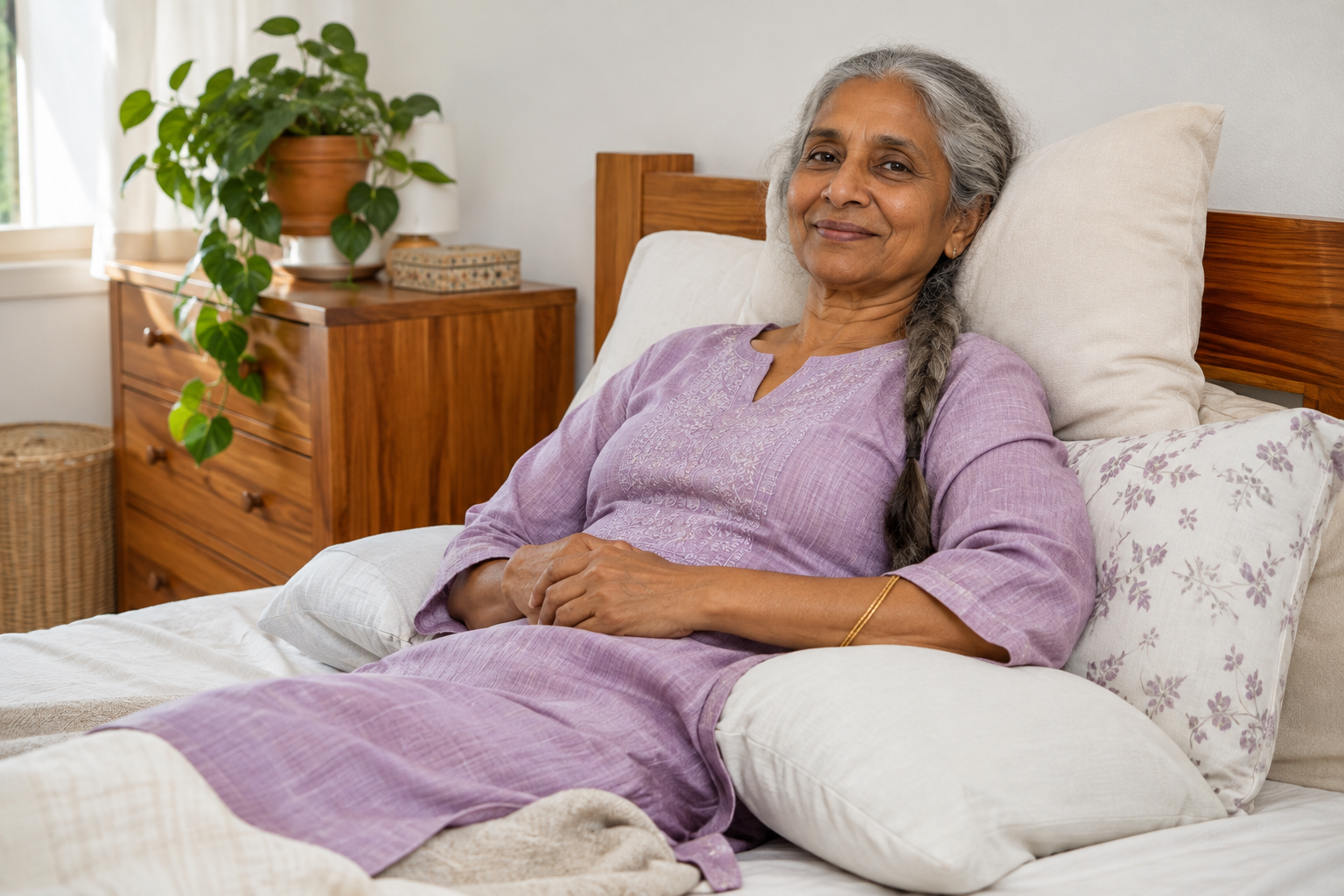
    Perhaps a pillow has slipped, your phone is out of reach, or a sheet is pulling against a painful area. Ask for help with positioning if moving yourself is difficult. Use any pressure-care or mobility plan prescribed for you, including assistance or equipment where needed.

    If a clinician has shown you movements suitable for bed, use their instructions and your agreed stopping points. Do not add stretches, repetitions, or resistance simply because they look mild in a video. Severe illness and post-exertional symptoms can make small activities consequential.

    Let feedback change the plan

    Pain, dizziness, unusual breathlessness, new weakness, or worsening symptoms are reasons to stop and seek appropriate advice. If you cannot change position or meet basic needs safely, contact your care team or support person rather than trying to manage alone.

    A flare day does not need to become a rehabilitation session. Sometimes the most useful action is asking someone to refill a drink, adjust bedding, or reduce noise. Your body deserves care even on days when movement is not part of that care.