Tag: Home Environment

  • Managing Sensory Overload at Home

    Managing Sensory Overload at Home

    A bright light, a humming appliance, and several conversations can feel like a lot when symptoms are already taking up your attention. Making home less stimulating does not require an expensive makeover or silence in every room.

    Change one source of input

    Notice the sensation that bothers you most right now. Could you switch off an overhead light, lower the television, close a door, or move away from a strong scent? Choose the smallest change that is easy to reverse.

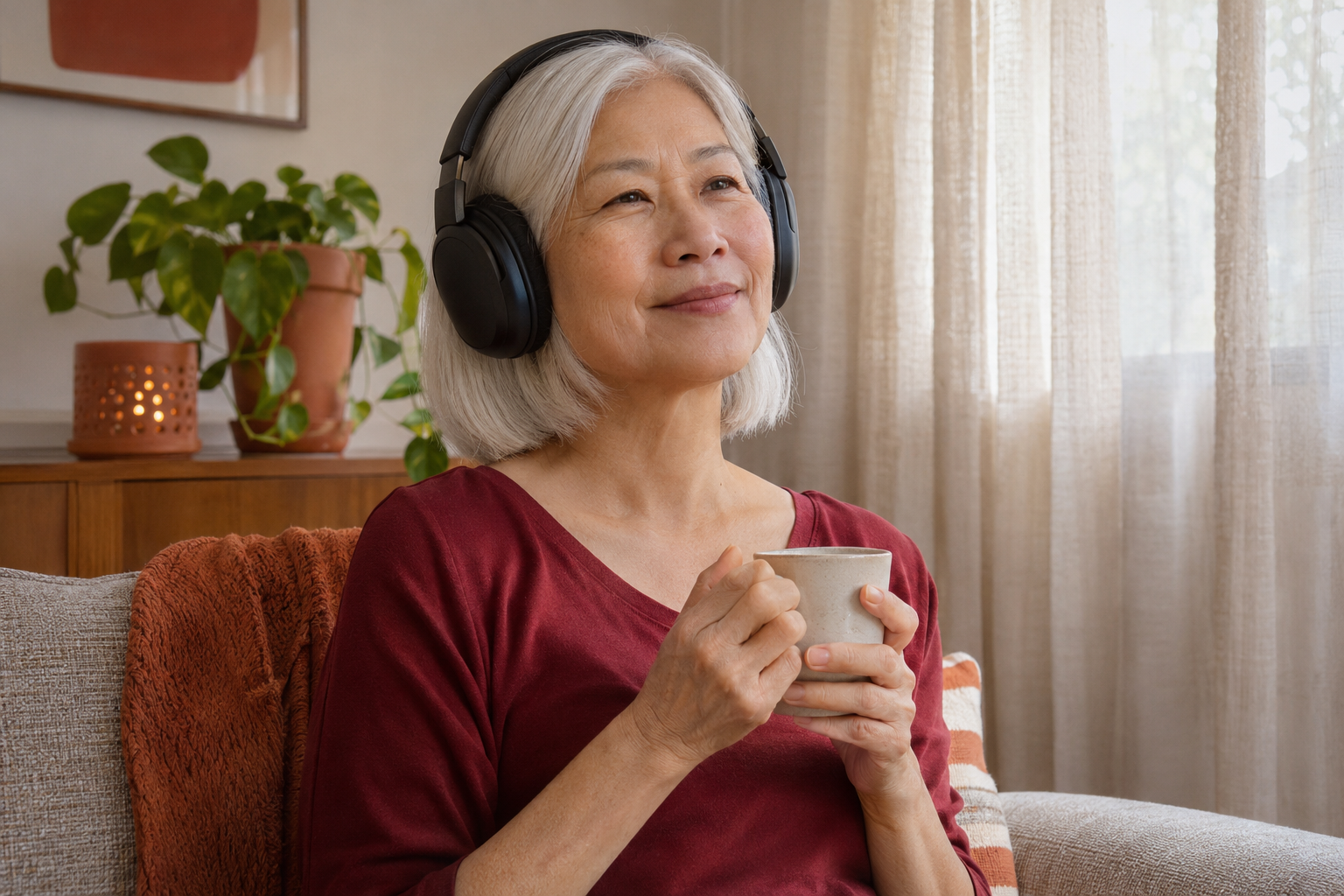
    Headphones, earplugs, curtains, or softer clothing may be useful if you tolerate them. Keep important alarms audible and maintain appropriate awareness if you are supervising children or someone else depends on you. Comfort tools should fit the responsibilities of the moment.

    Give the household a clear signal

    A simple phrase such as “I need a quieter ten minutes” can be easier than explaining everything while overwhelmed. If you share a home, agree on a space or time where stimulation can be reduced without making anyone guess what you need.

    You do not need to prove that a sound is objectively loud or a light is objectively harsh. What matters is how the environment feels to you. If sensory changes are new, severe, or accompanied by other concerning symptoms, discuss them with a clinician. For familiar difficult days, one calmer corner can be a useful place to begin.
  • Sensory Rest: Creating a Low Stimulation Sanctuary

    Sensory Rest: Creating a Low Stimulation Sanctuary

    Sometimes the most appealing form of self-care is less: less light, less noise, fewer decisions, and nobody asking what comes next. A low-stimulation space can give you somewhere to pause without requiring a complete redesign of your home.

    Build around one comfortable place

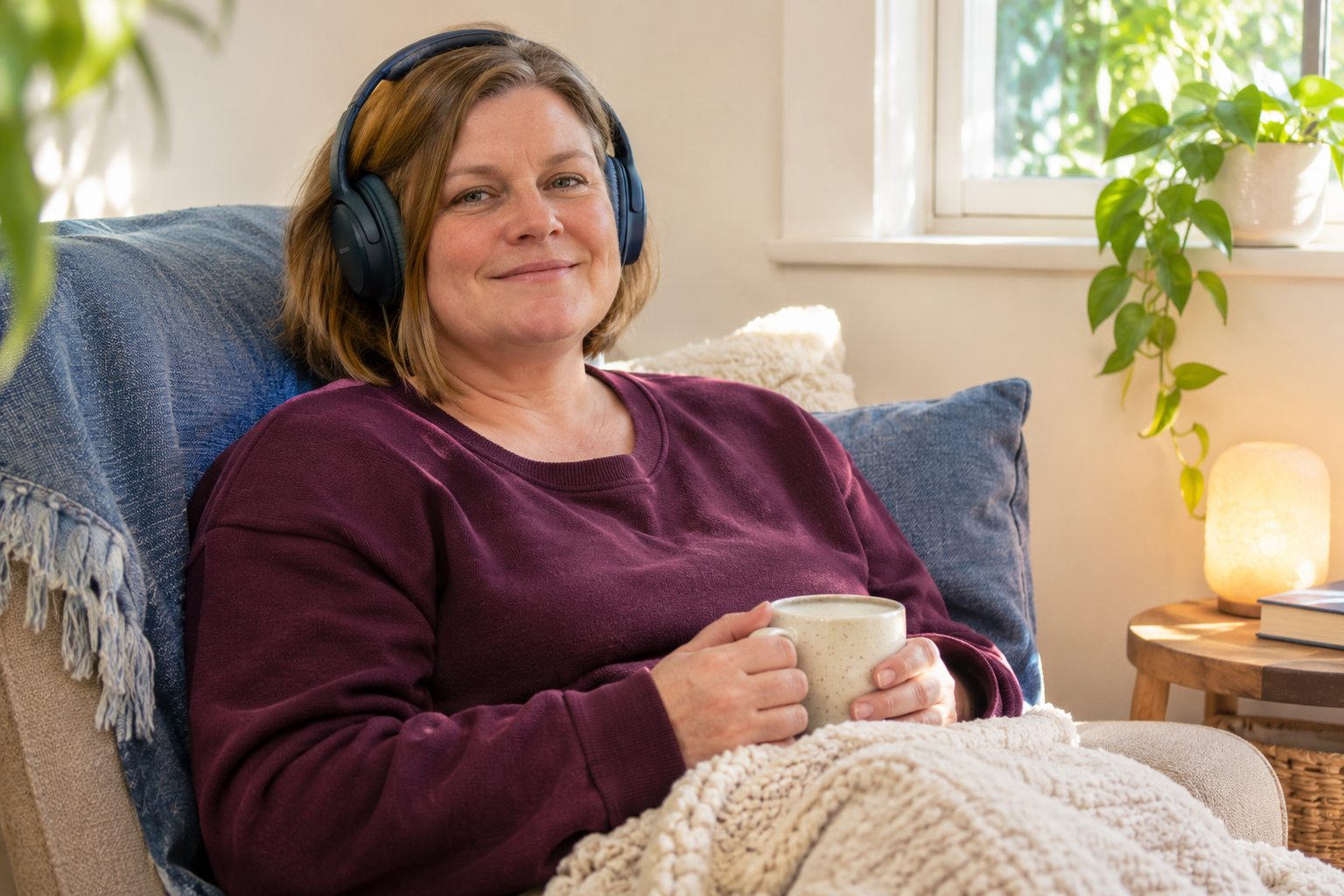
    Choose a chair, bed, or sofa you already use. Add only what makes settling easier: a pillow, a familiar blanket, water within reach, or a way to adjust the light. Keep the route clear and avoid adding objects that create more tidying or reaching.

    Consider scent as well as sound and brightness. An unscented space may be more comfortable than candles or diffusers, especially when migraine, nausea, or respiratory sensitivity is present. Soft music is optional; silence is optional too.

    Tell others what the space means

    If you share a home, agree on a simple signal for a quiet interval. You might ask for messages instead of being called across the room, while keeping important alarms and caregiving needs in mind. A sanctuary does not have to mean being unreachable.

    The space may help you feel more settled without changing the underlying symptoms. That still has value. If you cannot create a separate corner, one small adjustment—a dimmer lamp, a closed door, or a softer layer—can be enough for today. You do not need a picture-perfect room to deserve quiet.