Tag: Heat Sensitivity

  • Heat Sensitivity Hacks for Summer Baking

    Heat Sensitivity Hacks for Summer Baking

    Baking in summer can become less about the recipe and more about the heat. If a warm kitchen aggravates your symptoms, protecting your comfort may mean changing the timing, the method, or the menu itself.

    Plan around the hottest step

    Prepare ingredients in a cooler room if you can do so safely. Choose a time when the kitchen is less warm, and arrange a comfortable place to rest away from the oven. Ask another person to handle heavy trays or hot pans if dizziness, weakness, or hand pain makes that step risky.

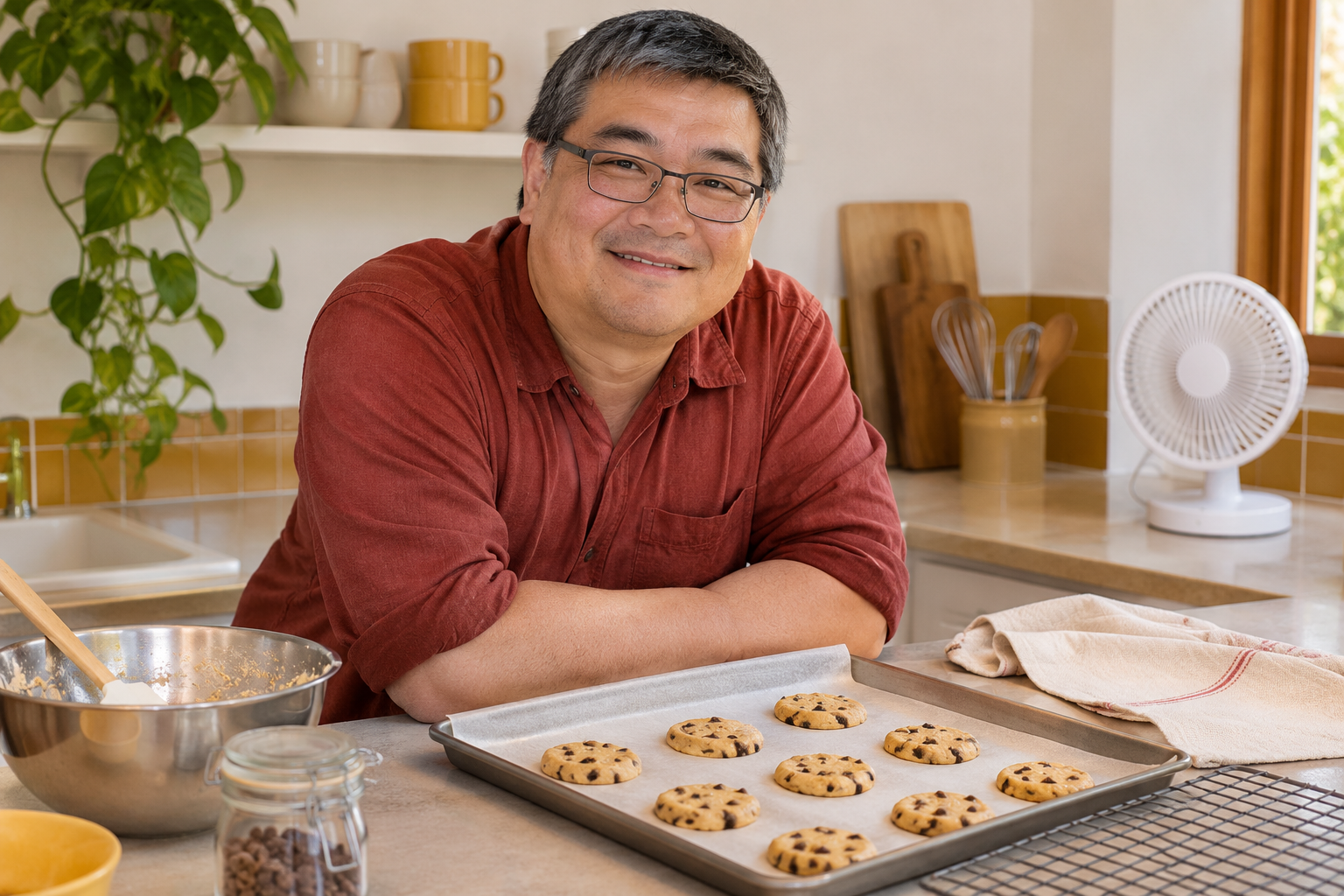
    A small appliance may suit some recipes, but it still produces heat and needs the clearance, ventilation, and electrical setup specified by its manufacturer. Keep fans and cords away from wet surfaces, flames, and work areas where they could cause an accident.

    Give yourself a no-oven option

    Assemble a yogurt parfait, decorate ready-made cookies, or choose a chilled dessert. Keep foods that need refrigeration cold, including during preparation breaks. Making something smaller or simpler can preserve the pleasure without committing you to a hot kitchen for hours.

    If you feel unwell, stop rather than trying to finish before resting. Move to a cooler safe place and follow your care plan. Leaving a recipe unfinished can be disappointing. It is also a sensible response to what your body is telling you today.
  • Managing Heat Flares in the Summer Months

    Managing Heat Flares in the Summer Months

    When heat aggravates your symptoms, summer can require more planning than other people realize. Invitations, errands, and even a warm room at home may need adjusting. Taking heat sensitivity seriously is a practical form of care.

    Reduce exposure where you can

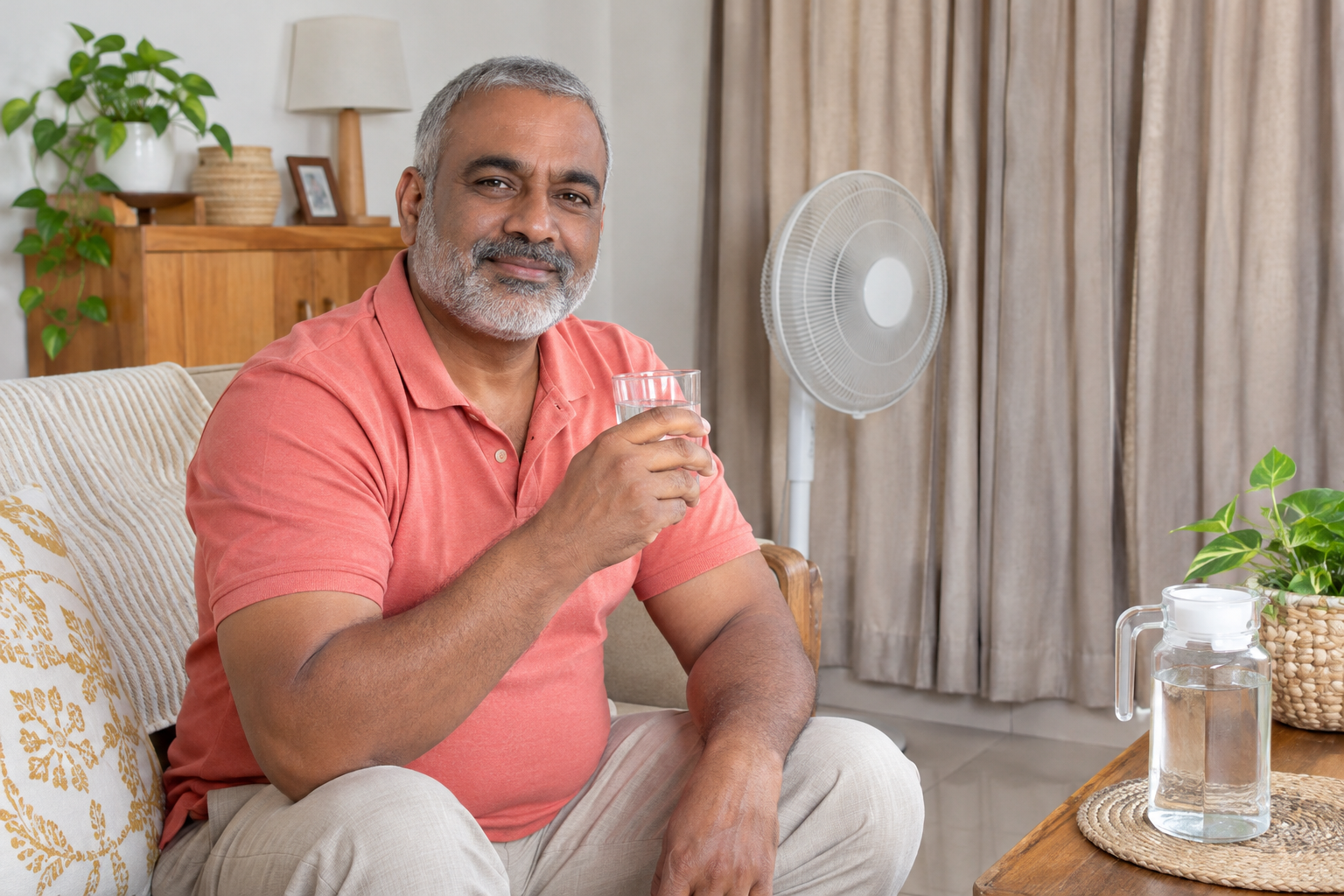
    Arrange necessary trips for cooler times when possible and identify a reliably cool place to rest. Curtains, shade, suitable clothing, and access to air conditioning may help, depending on your circumstances. A fan alone may not be enough during extreme heat.

    Keep your individualized fluid and medication plan available. Do not assume icy drinks or extra electrolytes will correct every heat-related symptom. Ask your clinician if any medicines or conditions require additional precautions in hot weather.

    Make an early exit ordinary

    Tell companions what you may need before symptoms build: “If I get too warm, I’ll need to go inside immediately.” Plan transport and avoid being dependent on finishing an event. Do not leave yourself waiting in a hot parked car.

    Confusion, collapse, or severe illness in the heat calls for emergency help and prompt cooling, not simply a longer rest break. For familiar milder symptoms, move to a cooler safe place and follow your care plan. Canceling an outdoor plan can be disappointing. Your need for a safer environment is still real, even when everyone else seems comfortable.

    For more on warning signs, see NHS guidance on heat exhaustion and heatstroke.