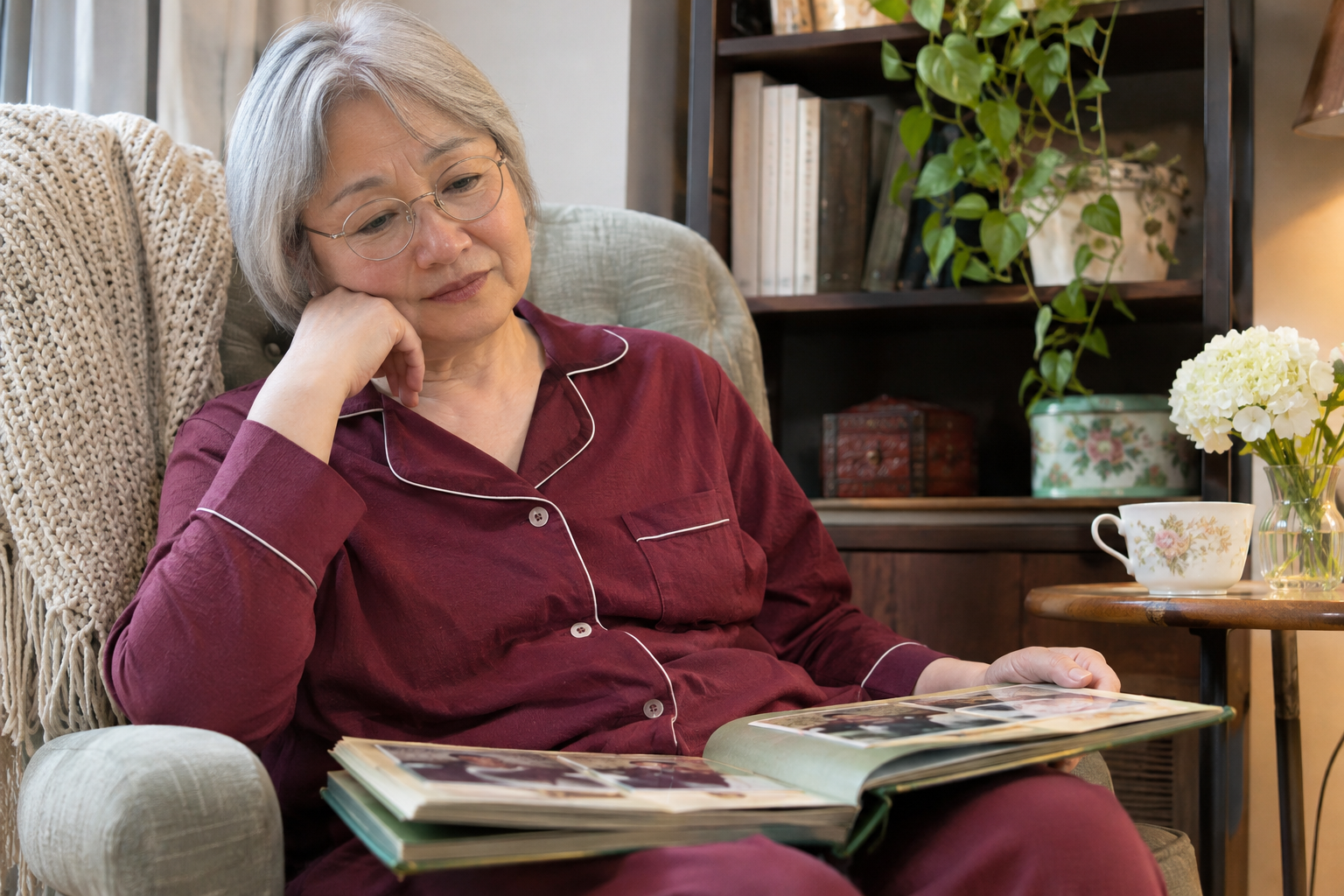
When chronic illness strikes, it takes more than your physical comfort. It takes the future you had planned, the career trajectory you envisioned, and the spontaneous person you used to be. The loss of your former self is a profound loss that deserves space, validation, and intentional grieving.
Many people fall into the trap of believing they must instantly maintain a positive attitude or stay strong. Forcing positivity over deep sorrow invalidates your reality. It is completely normal to look at old photographs and feel a pang of jealousy toward the person you were three years ago. It is natural to mourn the runner, the hard working professional, or the energetic friend you used to be.
Grief is not a linear process. You might feel acceptance one day and deep anger the next. Giving yourself permission to cry over lost capacity is not giving up. It is the necessary work of honoring who you were so you can begin making peace with who you are today.
Gentle Management Tips
- Write a letter of gratitude to your past self, acknowledging everything they accomplished with the resources they had.
- Allow yourself to express sadness without immediately trying to find a silver lining or positive spin.
- Focus on small, meaningful activities that align with your core values within your current physical limitations.
You do not have to finish grieving
An anniversary, a familiar place, or an unexpected invitation may bring the loss back sharply. That does not mean you have gone backward. You can miss something deeply and still find meaning elsewhere. If sadness is making everyday life feel unmanageable, a counselor who understands chronic illness may offer space where you do not have to explain or defend the loss.