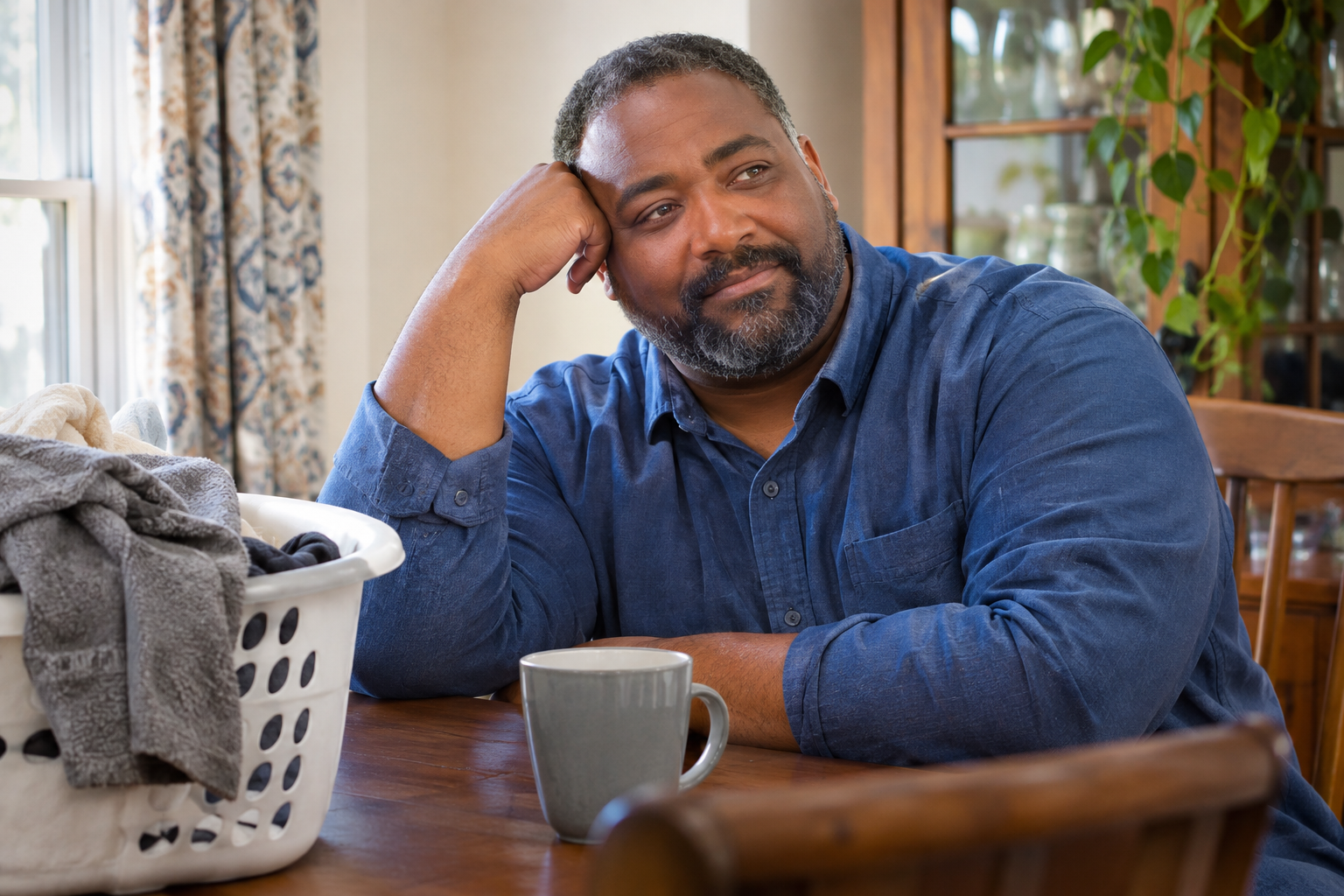
Society hands men an unforgiving script. Be the provider, be the anchor, be physically strong, and never show weakness. When chronic illness disrupts that narrative, the emotional fallout can feel as devastating as the physical symptoms themselves.
Living as a man with fibromyalgia or dysautonomia often means living in deep solitude. Friends ask you to help move furniture or join a pickup basketball game, and you have to decline again. Colleagues view your fatigue as a lack of drive or ambition. You sit in meetings fighting a storm of nerve pain and brain fog, desperate to preserve your professional reputation while your body screams for rest.
The hardest part is often the internal shame. The feeling that you are failing your family because you cannot carry the heavy boxes, complete the yard work, or work sixty hour weeks. We must dismantle the idea that a man's worth is tied exclusively to his physical output or financial yield. Carrying a severe illness with dignity requires a quiet, immense strength that far surpasses lifting weights or grinding through overtime.
Gentle Management Tips
- Redefine strength around emotional resilience, patience, and presence rather than physical stamina or heavy labor.
- Find safe, confidential spaces such as specialized online groups to talk openly without fear of professional judgment.
- Delegate physical household tasks without guilt. Partnering with family members to reallocate chores preserves your energy for meaningful connection.
Let someone share the load
You might start with one honest sentence: "I want to help, but lifting today will cost me more than it looks." Then name something specific that would help, such as having a friend carry the groceries or sharing a household task. You do not have to offer a replacement contribution every time. Being loved is not a contract that requires you to remain useful.