Tag: Chronic Fatigue

  • The Reality of Food Prep with Chronic Fatigue

    The Reality of Food Prep with Chronic Fatigue

    A meal can require more steps than anyone notices until energy becomes scarce. Finding ingredients, standing, chopping, watching the stove, and clearing up may use the energy you hoped to spend eating. If cooking feels difficult, that difficulty is real.

    Convenience foods can be useful tools. A meal does not become less worthwhile because the vegetables were frozen or someone else prepared it. What works will depend on your preferences, budget, allergies, and individual dietary needs.

    Make assembly an option

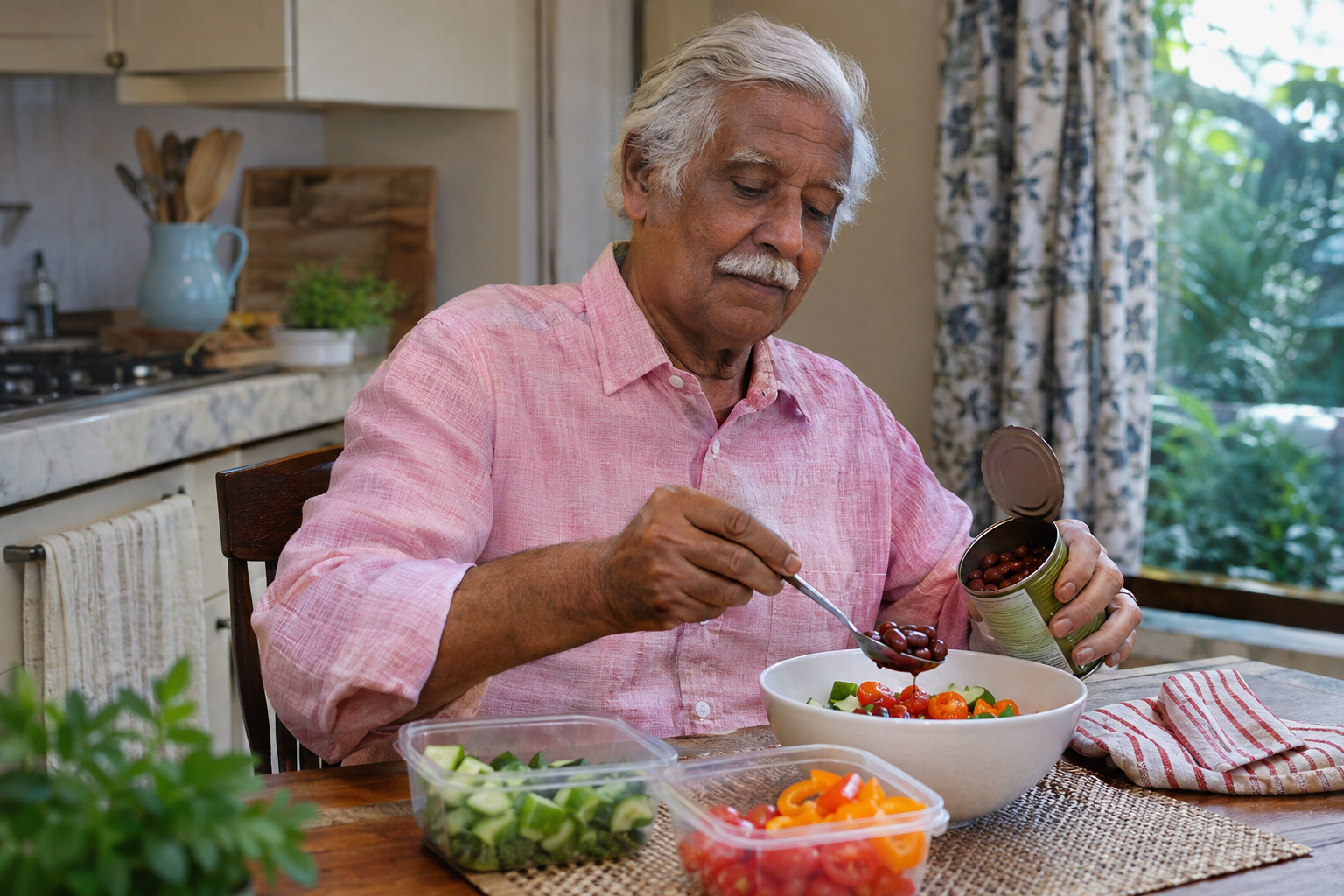
    Keep a short list of familiar meals that need little preparation. Ready-cooked grains, canned beans, or a prepared component may reduce the number of steps. Choose foods that fit your own needs rather than trying to follow a perfect online meal plan.

    If seated preparation is comfortable, use a stable chair and table, with supplies within reach. Avoid moving hot pans or using sharp tools when dizziness or concentration problems make that unsafe. Asking for help with those parts still leaves room to participate in ways you enjoy.

    Let leftovers reduce work

    Making extra can help only when the additional preparation is manageable. You do not owe future-you a large batch on every better day. Follow food-storage instructions and refrigerate perishable food promptly; labels can make it easier to remember what is available.

    There will be days when a ready-to-eat meal is the most caring choice. Being fed matters more than proving that you cooked from scratch.

  • Easy Protein Snacks for Low-Energy Days

    Easy Protein Snacks for Low-Energy Days

    When preparing food feels like a project, having a few easy snacks available can make the day less complicated. Including a familiar protein food may help a snack feel more substantial, but you do not need to hit an internet protein target to feed yourself well.

    Build a short list you will actually eat

    Consider yogurt with cereal, hummus with crackers, cheese with fruit, a ready-cooked egg, or nut or seed butter on toast. Choose options that fit your allergies, swallowing needs, dietary restrictions, preferences, and budget. Texture and smell matter when nausea or sensory sensitivity is present.

    Combine foods if it is easy, but let a single ready-to-eat item be enough when that is what you can manage. Keep perishable foods refrigerated and follow package instructions. A snack basket of shelf-stable choices can reduce trips to the kitchen.

    Ask for the useful kind of help

    Someone who wants to support you could open difficult packaging, portion food, or bring a snack within reach. Buying prepared portions may be worthwhile if opening and washing containers costs more energy than you have.

    Fatigue does not automatically mean low blood sugar, and snacks are not a substitute for investigating new symptoms. If appetite, nausea, pain, or access regularly prevents adequate eating, ask your care team about help. You deserve food that is available to you, not another set of rules that makes eating harder.