
Tag: Anxiety

  • Managing the Mental Weight of Chronic Illness

    Managing the Mental Weight of Chronic Illness

    Managing a long term health condition requires constant mental effort. Tracking symptoms, organizing medications, coordinating doctor appointments, and pacing daily activities takes a real toll on your energy reserves.

    This mental load can lead to decision fatigue, anxiety, and emotional burnout. It is completely understandable to feel overwhelmed by the endless effort required to manage your health every day.

    Simplifying your health management routines helps protect your mental energy and gives you space to rest.

    Gentle Management Tips

    • Automate routine health tasks with recurring digital reminders, automatic prescription refills, and simple meal plans.
    • Use a single calendar or planner to track all medical appointments, notes, and health tasks.
    • Schedule intentional "health planning breaks" where you set aside management tasks to focus entirely on relaxation.

    Choose one home for the information

    A small folder or a single phone note may be more useful than a complicated new system. Keep the next appointment, current questions, and essential contacts together. If someone offers help, you can ask them to make a call or organize paperwork with your permission. Sharing the administrative load does not mean giving up your voice in decisions about your care.
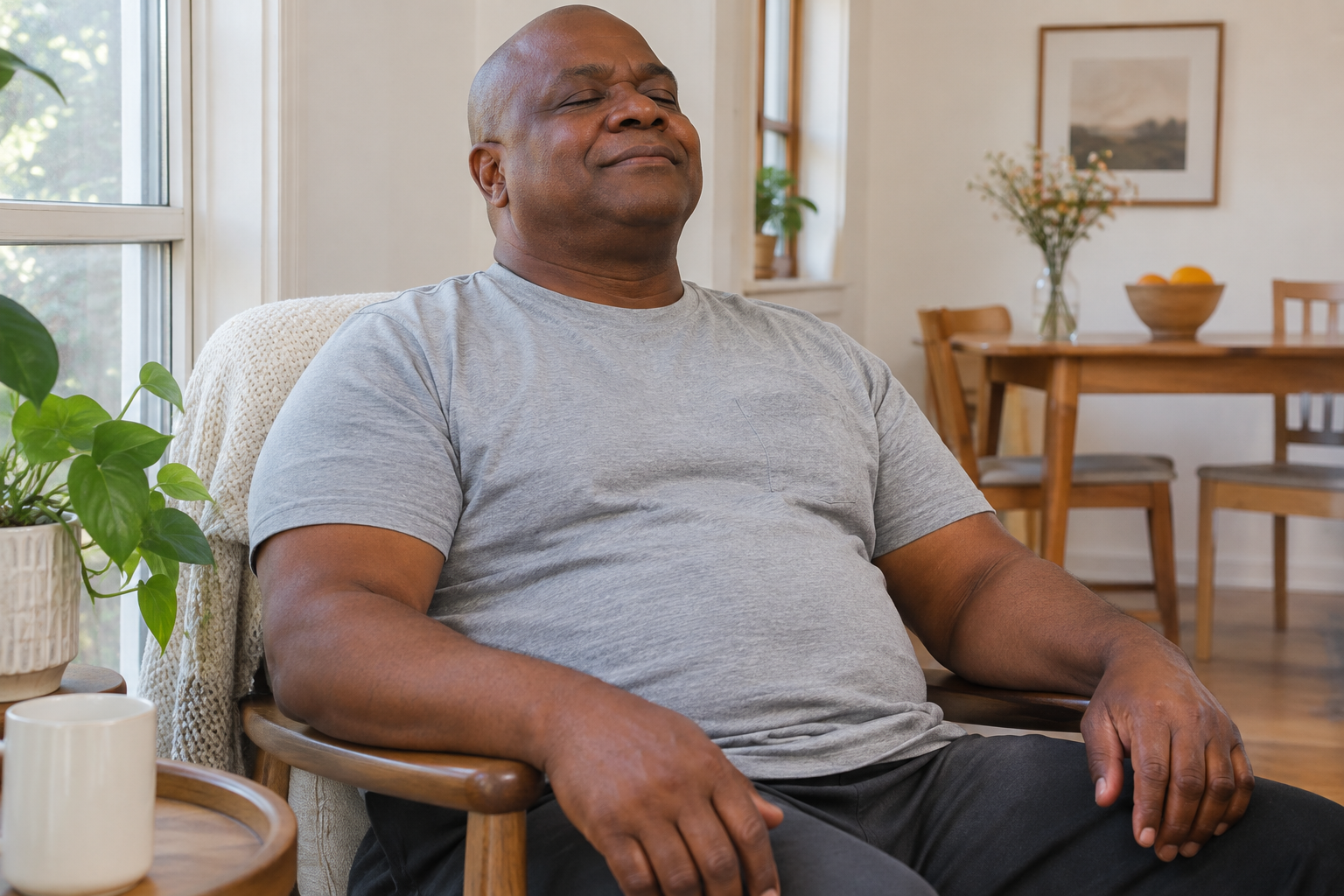

  • Comfortable Breathing: An Alternative to Forcing the 4-7-8 Pattern

    Comfortable Breathing: An Alternative to Forcing the 4-7-8 Pattern

    Breathing exercises are often presented as a quick way to switch off distress. That promise can be discouraging when counting makes you tense or holding your breath leaves you lightheaded. A useful practice should feel optional and comfortable, not like a test you have to pass.

    You can skip the breath hold

    The popular 4-7-8 pattern includes a prolonged hold and a controlled exhale. It is not necessary to use that pattern to take a quiet pause. Sit or recline with support and allow your breathing to remain easy and natural. If counting helps, keep it gentle without forcing a bigger breath or a slower rhythm.

    Stop if you feel dizzy, breathless, uncomfortable, or more anxious. Looking at an object in the room may suit you better than concentrating on internal sensations. The NCCIH overview of relaxation techniques discusses their potential uses and limits; they do not replace medical care.

    Keep the aim modest

    Perhaps the pause gives you a moment before answering a message or asking for help. That is enough. It does not need to “reset” your nervous system or make pain disappear.

    If you have breathing or heart problems, ask your clinician about techniques appropriate for you. New or concerning symptoms need assessment rather than repeated breathwork. You are allowed to choose a different form of comfort, including one that involves no exercise at all.

  • Grounding During Symptom Anxiety Without Dismissing Your Body

    Grounding During Symptom Anxiety Without Dismissing Your Body

    Physical symptoms can be frightening, especially when you have had to advocate for yourself or have been dismissed before. Grounding may help you orient to the present while deciding what you need. It should not be used to label a new medical problem as anxiety.

    Check the situation first

    If symptoms are new, severe, or accompanied by warning signs such as chest pain, serious breathing difficulty, fainting, or sudden neurological changes, seek appropriate urgent care. Follow your established plan for familiar symptoms. You do not need to complete a calming exercise before asking for help.

    Choose a simple external anchor

    Sit or lie somewhere safe. Notice the color of an object, the support beneath you, or the sound of a familiar voice. You can say where you are and what the next practical step is: “I am at home. My phone is beside me. I can call someone.”

    Skip any sensory prompt that is uncomfortable. You do not need to touch, taste, or smell anything, and you do not need to slow your breathing by force. If focusing on your body increases distress, keep attention on the room around you.

    Grounding is an optional support, not proof that symptoms are psychological. Feeling afraid during illness is understandable. You deserve both emotional reassurance and medical attention when it is needed, without having to choose one at the expense of the other.