Category: Restoration & Self Care

  • Weighted Blankets: Comfort, Evidence, and Safety

    Weighted Blankets: Comfort, Evidence, and Safety

    The idea of a blanket that feels like a reassuring hug is appealing, especially when sleep has been difficult. Some people enjoy the pressure of a weighted blanket, but it is not a dependable treatment for insomnia, pain, or anxiety.

    Consider comfort and safety together

    Research on benefits remains limited, as the Cleveland Clinic’s overview explains. A common weight formula is not a personalized safety assessment. Ask a clinician or occupational therapist before use if you have breathing, circulation, mobility, temperature-regulation, or other relevant health concerns.

    You should be able to remove the blanket easily and independently. Do not use it to restrain someone, cover the face, or make it difficult to change position. Follow the product instructions and stop if it feels hot, restrictive, distressing, or uncomfortable. Weighted blankets are not appropriate for infants.

    Try to separate the feeling from the purchase

    Think about what you are hoping for: warmth, a familiar texture, a sense of enclosure, or less movement. An ordinary blanket or a different bedding arrangement may meet that preference with less expense and effort. Do not layer heavy bedding as an improvised treatment.

    Persistent sleep problems deserve assessment, especially if breathing, pain, or restless sensations are involved. You have not failed to relax if a popular product does nothing for you. The right sleep support is the one that suits your needs, not the one with the most persuasive promise.


  • A Bedtime Routine That Makes Room for Pain

    A Bedtime Routine That Makes Room for Pain

    When pain interrupts sleep, bedtime can start to feel like a challenge you are already afraid of losing. A routine may make the evening more manageable, but no arrangement of pillows or habits can promise pain-free sleep.

    Reduce a few avoidable demands

    Choose a short sequence that is realistic on difficult nights: essential care, prescribed treatment as directed, and a comfortable place to settle. Put useful items within reach and keep a safe route to the bathroom. Prepare only what helps; a long wellness checklist can become its own source of pressure.

    Experiment gently with bedding and support, staying within any advice you have received about positioning. A comfortable temperature, lower light, or familiar audio may be helpful. If a particular habit does not suit you, it does not need to remain part of the routine because it appears in every sleep article.

    Bring recurring problems into care

    Tell your clinician how pain affects falling asleep, waking, and functioning the next day. Mention snoring, breathing concerns, medication effects, or other changes rather than assuming every sleep problem has the same cause.

    On a wakeful night, try to reduce self-criticism as much as the circumstances allow. Resting quietly is not the same as sleeping, but a difficult night is not evidence that you followed the routine incorrectly. You deserve individualized help and a bedtime that asks less of you.

  • Connecting with Nature on Low-Energy Days

    Connecting with Nature on Low-Energy Days

    Being outdoors can be enjoyable, but “just get outside” is not simple advice when pain, heat, access, or fatigue makes leaving home difficult. A connection with nature can be small and close by, without becoming another activity you are expected to complete.

    Bring the experience within reach

    Sit near a window, notice the changing light, listen to birds, or look at a familiar tree. A houseplant, a photograph, or a nature recording may offer a pleasant point of attention. You do not have to walk a certain distance or spend a prescribed number of minutes outside.

    If you do go out, consider seating, temperature, shade, and an easy return route. Follow your usual precautions for sun, allergies, mobility, and symptoms. A balcony or doorstep may be enough, and some days staying indoors is the more comfortable choice.

    Let it be an interest rather than a treatment

    Notice one detail if you want to: the shape of a leaf, the movement of a cloud, or a change since yesterday. You do not need to feel peaceful or grateful on demand. Nature can be pleasant while illness remains frustrating.

    If this does not appeal to you, another quiet interest may fit better. The point is to make room for something you enjoy within your actual circumstances. Access and comfort matter more than meeting someone else’s picture of a healthy day.

  • Aromatherapy: An Optional Comfort, Not a Cure

    Aromatherapy: An Optional Comfort, Not a Cure

    A familiar scent can feel comforting, but aromatherapy is not a reliable treatment for stress or nausea. It is also not universally soothing: the same fragrance may trigger headache, irritation, or breathing discomfort for someone else.

    Keep the claims modest

    The NCCIH aromatherapy overview notes limits in the research. If you enjoy a scent, treat it as an optional preference rather than a remedy you need to use. Persistent or unexplained nausea deserves medical attention, not repeated exposure to stronger oils.

    Do not ingest essential oils or apply concentrated oils directly to skin. Follow product instructions and ask a qualified professional about suitability if you have asthma, sensitive skin, migraine, pregnancy-related concerns, or other relevant conditions. Store products securely and consider children, pets, and other people who share the air before using them.

    Leave room for no scent at all

    An unscented room, fresh bedding, a comfortable temperature, or a quiet familiar activity may be more supportive. You do not need a diffuser or a collection of oils to create a caring environment.

    If a fragrance causes symptoms, stop using it and seek appropriate advice if symptoms are concerning. Enjoyment is the reason to keep a scent in your routine; discomfort is a good reason to leave it out. Your preferences and sensitivities are more useful than a product’s promise of calm.

  • Foam Rolling and Fibromyalgia: When Less Pressure Is Better

    Foam Rolling and Fibromyalgia: When Less Pressure Is Better

    Foam rolling is sometimes described as a simple answer to muscle discomfort. With fibromyalgia, pressure that another person finds pleasant may be painful or leave you feeling worse afterward. You do not need to tolerate that pain to get a benefit.

    Question the “good pain” rule

    The NCCIH fibromyalgia overview notes that massage for fibromyalgia should not cause pain and that evidence for complementary approaches varies. A roller is not a required treatment, and a softer product is not automatically suitable.

    Ask your clinician or physiotherapist whether pressure-based self-care fits your situation. Avoid rolling over injured, numb, swollen, or damaged areas, and do not apply pressure directly to the spine. The effort of supporting your weight or moving on the floor can also be significant.

    Give yourself permission to choose less

    If you have been advised to try a technique, use the agreed approach and stop when it is uncomfortable. Notice later effects as well as immediate ones. Do not keep increasing pressure because a tender spot has not “released.”

    A supported position, a rest break, or help reducing repetitive tasks may be more useful than a roller. It is disappointing when a popular suggestion does not fit, but that response is valuable information. Caring for a sensitive body does not require convincing it to tolerate a product that hurts.

  • Comfortable Breathing: An Alternative to Forcing the 4-7-8 Pattern

    Comfortable Breathing: An Alternative to Forcing the 4-7-8 Pattern

    Breathing exercises are often presented as a quick way to switch off distress. That promise can be discouraging when counting makes you tense or holding your breath leaves you lightheaded. A useful practice should feel optional and comfortable, not like a test you have to pass.

    You can skip the breath hold

    The popular 4-7-8 pattern includes a prolonged hold and a controlled exhale. It is not necessary to use that pattern to take a quiet pause. Sit or recline with support and allow your breathing to remain easy and natural. If counting helps, keep it gentle without forcing a bigger breath or a slower rhythm.

    Stop if you feel dizzy, breathless, uncomfortable, or more anxious. Looking at an object in the room may suit you better than concentrating on internal sensations. The NCCIH overview of relaxation techniques discusses their potential uses and limits; they do not replace medical care.

    Keep the aim modest

    Perhaps the pause gives you a moment before answering a message or asking for help. That is enough. It does not need to “reset” your nervous system or make pain disappear.

    If you have breathing or heart problems, ask your clinician about techniques appropriate for you. New or concerning symptoms need assessment rather than repeated breathwork. You are allowed to choose a different form of comfort, including one that involves no exercise at all.

  • Building a Cozy Rest Den in Your Living Room

    Building a Cozy Rest Den in Your Living Room

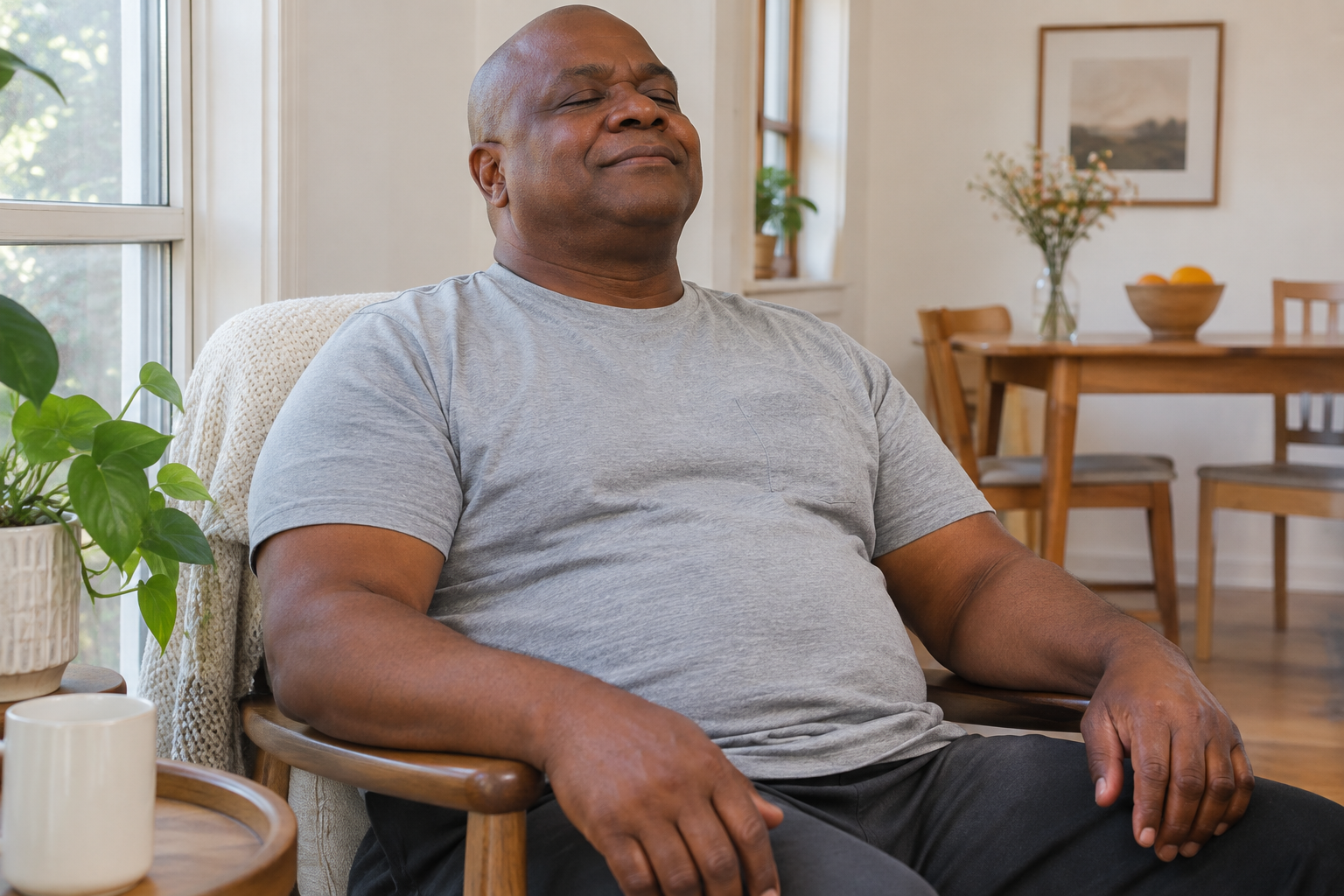
    A living-room rest space can make it easier to remain part of household life without sitting upright at a table or retreating to the bedroom every time you need support. It can be simple, practical, and built from things you already own.

    Arrange for easy reach

    Choose a comfortable seat or sofa position, then place a stable side table where you can reach it without twisting or stretching. Keep a phone, a manageable drink, and one enjoyable item nearby. Avoid crowding the space with supplies that become difficult to organize.

    Support your body in ways you tolerate and keep the route to the bathroom clear. Secure cords and avoid trailing blankets on the floor. Store medicines safely rather than leaving them accessible to children or visitors.

    Make the social rules comfortable too

    Let household members know what helps: quiet company, a lower television volume, or checking before starting a long conversation. Resting in a shared room does not mean you are available for every request.

    Review the setup after using it. The useful question is whether it reduces effort, not whether it looks like a photograph. If it takes more energy to maintain than it saves, remove something. A rest corner is a place to receive support from your surroundings, not another home project you need to finish perfectly before you are allowed to use it.

  • Epsom Salt Baths: Comfort, Limits, and Safety

    Epsom Salt Baths: Comfort, Limits, and Safety

    A warm bath can be a comforting ritual for some people: less noise, a change of setting, and a few minutes without another task. Epsom salts are often marketed as though they reliably deliver magnesium through the skin or treat pain, but those benefits should not be assumed.

    Separate the ritual from the promise

    You do not need an additive for a bath to feel pleasant. If you use a bath product, follow its label and avoid it if it irritates your skin or conflicts with clinical advice. Do not ingest bath salts or use them as a substitute for treatment.

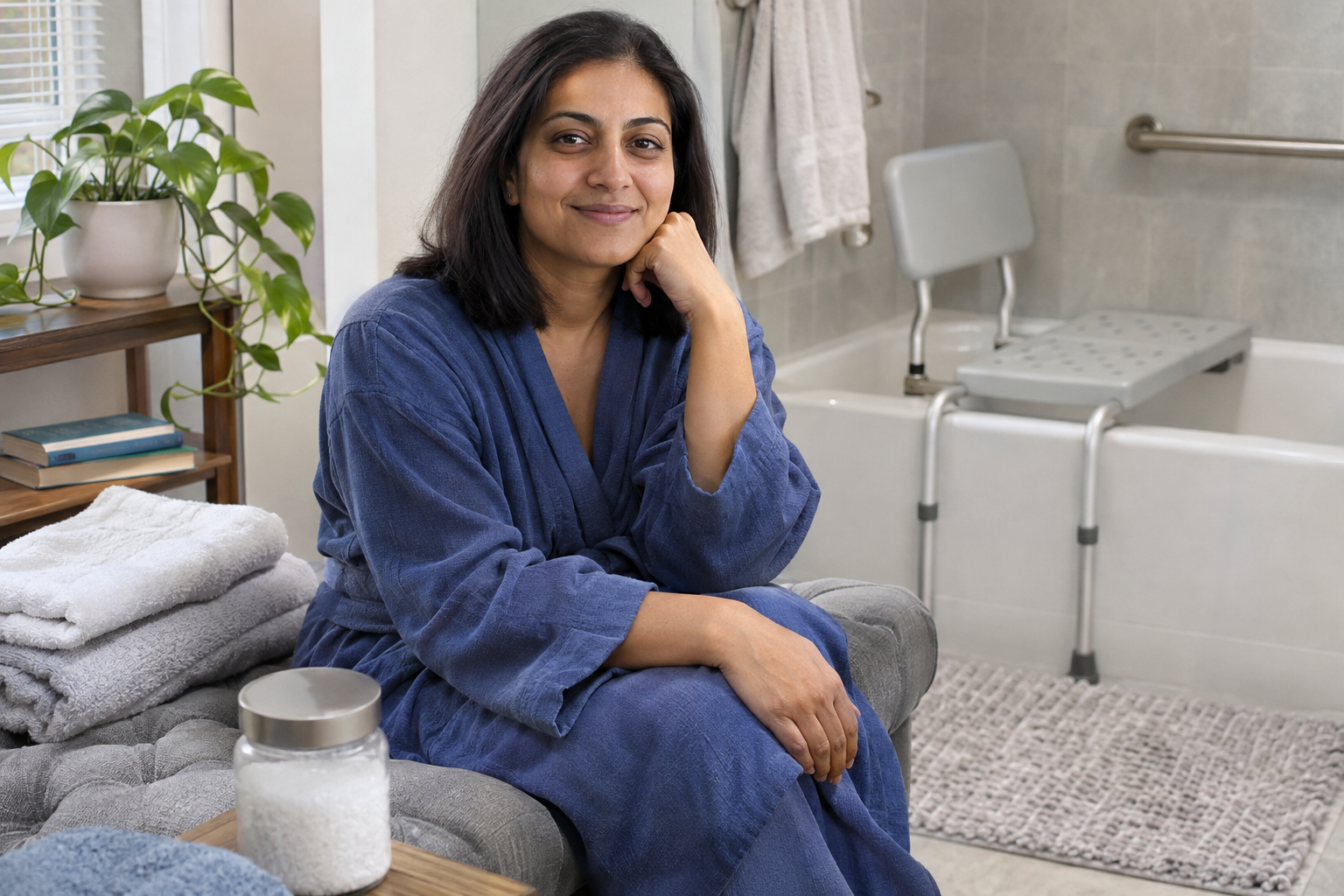
    Warm water is not comfortable or safe for everyone. Heat may worsen dizziness or POTS symptoms, and reduced skin sensation can make temperature difficult to judge. Ask your care team about bathing if you have wounds, circulation problems, neuropathy, or a history of fainting.

    Plan the getting out, too

    Consider safe transfers, appropriate grab bars or bathing equipment, and someone nearby if you need assistance. Avoid locking yourself into a situation where help cannot reach you. Keep the room comfortable and stop if you feel unwell.

    A seated wash or another quiet ritual may be a better option on some days. You are not missing a necessary wellness treatment by skipping a bath. Comfort can be simple, inexpensive, and entirely free of claims that your body needs to respond in a particular way.

    A review of transdermal magnesium research explains why claims about meaningful magnesium delivery through skin need caution.

  • Warm Towel Compresses: Simple Comfort with Care

    Warm Towel Compresses: Simple Comfort with Care

    A warm towel can be a simple comfort for some stiff or sore areas, but the temperature and your skin’s ability to sense it matter. A homemade compress still needs care; familiar household materials do not make burns impossible.

    Check that warmth is appropriate

    Avoid heat over skin with reduced sensation, poor circulation, wounds, or areas where your clinician has advised against it. Ask about new swelling, redness, or unexplained pain rather than treating it repeatedly at home. NHS hospital heat guidance outlines precautions.

    Use comfortably warm rather than hot water and an appropriate barrier. Check the skin and remove the towel if it becomes uncomfortable or causes excessive redness. Avoid improvised microwave heating that can create hot spots, and do not fall asleep with a heat source in place.

    Keep the task manageable

    Set up where you can reach what you need without awkward lifting or spills. Ask for help wringing or carrying the towel if your hands are sore. If warmth worsens dizziness or other symptoms, stop and choose another option.

    The aim is temporary comfort, not deeper heat or a stronger sensation. If pain remains troublesome, tell your care team. You do not need to keep escalating a home remedy because it has not provided enough relief. A small comfort measure is allowed to have small, limited benefits.

  • Sensory Rest: Creating a Low Stimulation Sanctuary

    Sensory Rest: Creating a Low Stimulation Sanctuary

    Sometimes the most appealing form of self-care is less: less light, less noise, fewer decisions, and nobody asking what comes next. A low-stimulation space can give you somewhere to pause without requiring a complete redesign of your home.

    Build around one comfortable place

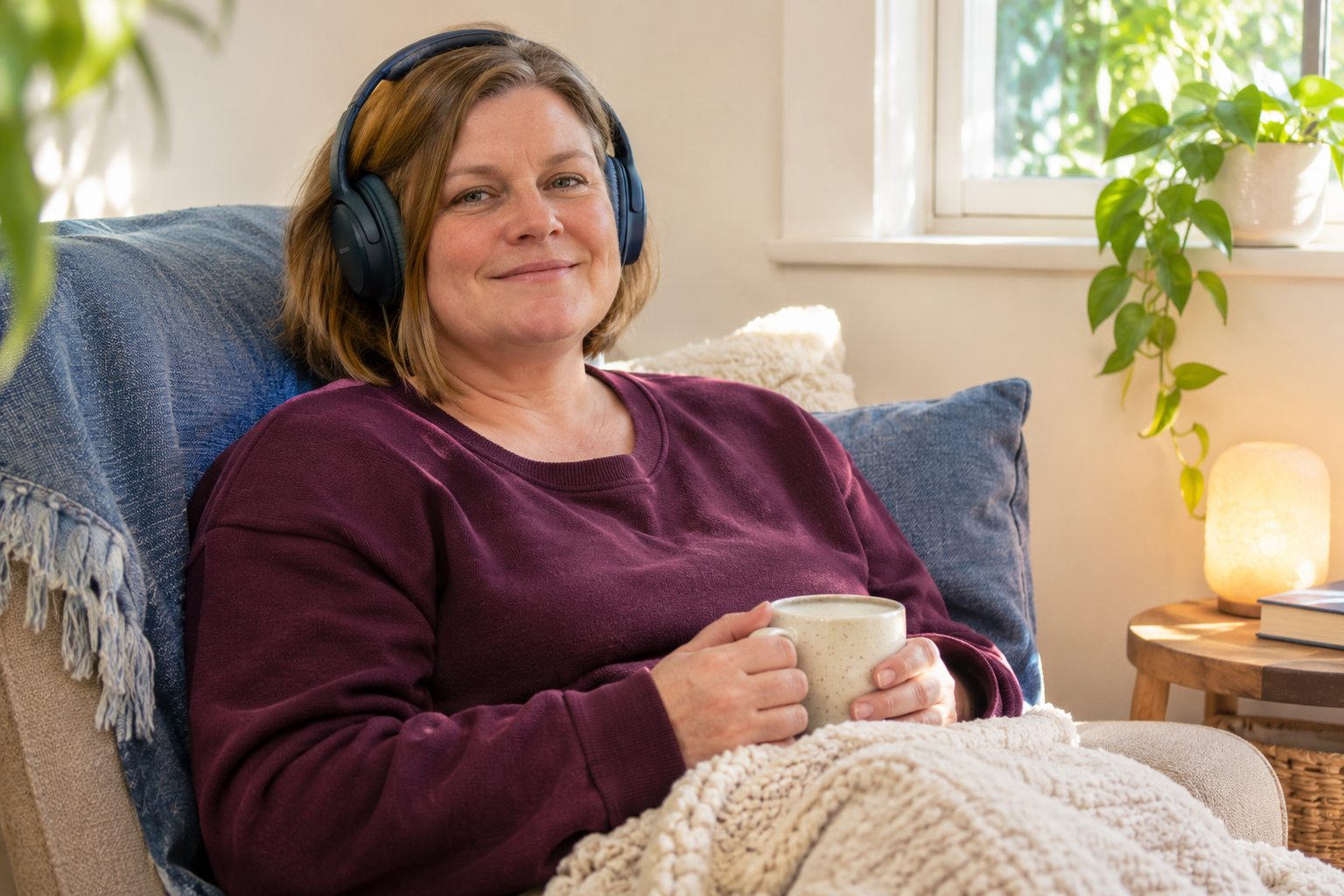
    Choose a chair, bed, or sofa you already use. Add only what makes settling easier: a pillow, a familiar blanket, water within reach, or a way to adjust the light. Keep the route clear and avoid adding objects that create more tidying or reaching.

    Consider scent as well as sound and brightness. An unscented space may be more comfortable than candles or diffusers, especially when migraine, nausea, or respiratory sensitivity is present. Soft music is optional; silence is optional too.

    Tell others what the space means

    If you share a home, agree on a simple signal for a quiet interval. You might ask for messages instead of being called across the room, while keeping important alarms and caregiving needs in mind. A sanctuary does not have to mean being unreachable.

    The space may help you feel more settled without changing the underlying symptoms. That still has value. If you cannot create a separate corner, one small adjustment—a dimmer lamp, a closed door, or a softer layer—can be enough for today. You do not need a picture-perfect room to deserve quiet.