Category: Mental Health & Mindset

  • The Grieving Process for Your Former Self

    The Grieving Process for Your Former Self

    When chronic illness strikes, it takes more than your physical comfort. It takes the future you had planned, the career trajectory you envisioned, and the spontaneous person you used to be. The loss of your former self is a profound loss that deserves space, validation, and intentional grieving.

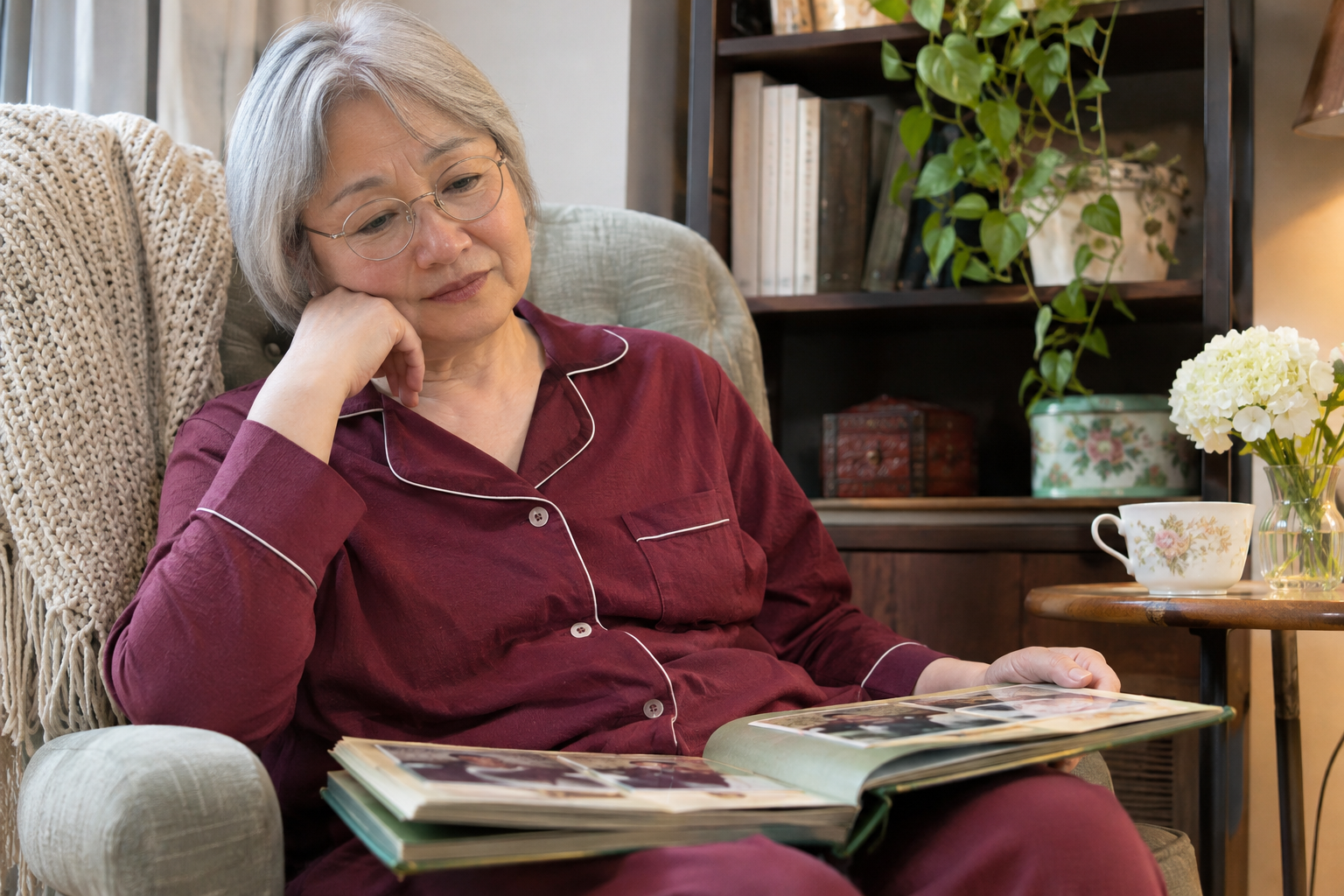
    Many people fall into the trap of believing they must instantly maintain a positive attitude or stay strong. Forcing positivity over deep sorrow invalidates your reality. It is completely normal to look at old photographs and feel a pang of jealousy toward the person you were three years ago. It is natural to mourn the runner, the hard working professional, or the energetic friend you used to be.

    Grief is not a linear process. You might feel acceptance one day and deep anger the next. Giving yourself permission to cry over lost capacity is not giving up. It is the necessary work of honoring who you were so you can begin making peace with who you are today.

    Gentle Management Tips

    • Write a letter of gratitude to your past self, acknowledging everything they accomplished with the resources they had.
    • Allow yourself to express sadness without immediately trying to find a silver lining or positive spin.
    • Focus on small, meaningful activities that align with your core values within your current physical limitations.

    You do not have to finish grieving

    An anniversary, a familiar place, or an unexpected invitation may bring the loss back sharply. That does not mean you have gone backward. You can miss something deeply and still find meaning elsewhere. If sadness is making everyday life feel unmanageable, a counselor who understands chronic illness may offer space where you do not have to explain or defend the loss.


  • The Trauma of Unseen Illness

    The Trauma of Unseen Illness

    When you look healthy on the outside, people assume you are fine on the inside. You might sport a glowing appearance, wear nice clothes, and smile during conversations, all while experiencing burning pain or severe faintness. This disconnect between your appearance and your physical reality creates invisible stress.

    Over time, this dynamic creates emotional strain. You get tired of explaining why you cannot attend events, why you need special accommodations, or why you are so exhausted. You worry people think you are lazy or dramatic.

    Validating your own reality is essential for healing. You do not need to look sick to be sick. Your experience is real, valid, and worthy of respect, regardless of your physical appearance.

    Gentle Management Tips

    • Practice internal validation exercises, repeating affirmations like "My physical symptoms are real, even if others cannot see them."
    • Set clear boundaries with people who consistently doubt your physical limitations.
    • Connect with the chronic illness community online or locally to share your experiences with people who understand without explanation.

    You can choose your explanation

    Some people deserve a fuller conversation; others only need to know that you cannot do a particular task. You may say, "My health limits this, even if it is not visible." Repeating that boundary can be tiring, so a saved message may help. Support from a counselor or trusted community can also make room for the anger and hurt that repeated disbelief can leave behind.

  • Finding Joy in the Quiet Life

    Finding Joy in the Quiet Life

    Living with chronic illness requires shifting to a quieter, slower pace of life. When high energy hobbies, busy social lives, and travel are no longer manageable, it can feel like your world has shrunk. However, a quieter life can still be rich with joy and meaning.

    Joy does not require constant physical action. It can be found in small, simple moments: a warm cup of tea, light coming through a window, a good book, or a quiet conversation with a close friend.

    Embracing a quiet life is not settling for less; it is learning to appreciate the peace and depth found in simple, everyday experiences.

    Gentle Management Tips

    • Create a daily "small joys" list to notice and appreciate simple positive moments.
    • Set up a quiet space in your home dedicated entirely to restful, comforting activities.
    • Explore low physical effort hobbies like reading, gentle sketching, podcast listening, or easy crafting.

    Let joy stay optional

    You do not have to feel grateful for illness or find something beautiful in every hard day. Sometimes a quiet life feels lonely or frustrating, and that is worth saying. A small pleasure can sit beside those feelings without canceling them out. Choose what actually feels good to you, even if it is different from someone else’s idea of a peaceful life.

  • Reclaiming Your Identity Outside of Your Illness

    Reclaiming Your Identity Outside of Your Illness

    When managing symptoms, appointments, and rest takes over your day, it is easy to feel like your diagnosis has become your whole identity. You can start seeing yourself as a "patient" first and a person second.

    Reclaiming your identity means honoring the passions, interests, and values that make you who you are. You are still an artist, thinker, friend, and individual, regardless of your physical health.

    Making space for personal creative projects keeps your spirit grounded beyond your health journey.

    Gentle Management Tips

    • Dedicate short blocks of time to non health related hobbies, like listening to podcasts, painting, or writing.
    • Connect with friends around shared creative passions rather than health topics.
    • Keep a journal of your thoughts, goals, and ideas unrelated to your health management.

    Let your interests change shape

    Being a reader can include audiobooks, a few pages, or talking about a book you loved years ago. Being creative can include noticing colors even when you cannot make anything. Your interests do not have to produce an output to count. You can also develop new ones without treating them as compensation for everything illness has taken away.

  • Learning to Trust Your Body Again

    Learning to Trust Your Body Again

    Living with long term illness can make your body feel unpredictable or unreliable. When pain, fatigue, and sudden symptoms interrupt your daily life, it is easy to feel disconnected from your physical self.

    Rebuilding trust with your body is a gentle process. It involves listening to physical signals, responding with compassion, and offering care rather than frustration.

    It is understandable if your relationship with your body feels complicated. Responding to its needs with care does not require you to feel grateful for symptoms.

    Gentle Management Tips

    • Practice daily body check ins, listening carefully to physical cues for rest, hydration, or movement without judgment.
    • Thank your body for its daily efforts to support and care for you under tough conditions.
    • Treat your body with gentle patience, viewing health management as a partner effort between mind and physical self.

    Trust can mean responding, not predicting

    You may never be able to promise yourself a symptom-free afternoon. A gentler kind of trust is knowing you will take a signal seriously, change a plan, or ask for help when needed. You do not have to feel thankful toward your body to treat it with care. Frustration and compassion can coexist, and rebuilding that relationship does not need a deadline.

  • Managing the Mental Weight of Chronic Illness

    Managing the Mental Weight of Chronic Illness

    Managing a long term health condition requires constant mental effort. Tracking symptoms, organizing medications, coordinating doctor appointments, and pacing daily activities takes a real toll on your energy reserves.

    This mental load can lead to decision fatigue, anxiety, and emotional burnout. It is completely understandable to feel overwhelmed by the endless effort required to manage your health every day.

    Simplifying your health management routines helps protect your mental energy and gives you space to rest.

    Gentle Management Tips

    • Automate routine health tasks with recurring digital reminders, automatic prescription refills, and simple meal plans.
    • Use a single calendar or planner to track all medical appointments, notes, and health tasks.
    • Schedule intentional "health planning breaks" where you set aside management tasks to focus entirely on relaxation.

    Choose one home for the information

    A small folder or a single phone note may be more useful than a complicated new system. Keep the next appointment, current questions, and essential contacts together. If someone offers help, you can ask them to make a call or organize paperwork with your permission. Sharing the administrative load does not mean giving up your voice in decisions about your care.

  • The Heavy Weight of Social Isolation

    The Heavy Weight of Social Isolation

    Long term illness often narrows your social circle. When going out, attending gatherings, or working in traditional settings becomes difficult, loneliness can build up over time.

    Overcoming health isolation requires building alternative ways to connect. Virtual groups, digital communities, and low key catch ups offer meaningful social contact that respects your physical limits.

    You deserve connection and community, no matter your health status or activity levels.

    Gentle Management Tips

    • Join online support communities centered on your specific conditions to build understanding friendships.
    • Schedule short, regular phone calls or video chats with supportive friends.
    • Share your interests through gentle online activities like book clubs, gaming groups, or creative forums.

    Make connection easier to enter

    Instead of waiting until you can manage a long conversation, consider a shared photo, a short message, or listening to a group discussion without speaking. Choose spaces where you can leave or reply later without pressure. Online communities vary, so protect personal information and step back from groups that push cures or make you feel worse. Small, steady contact can still matter.

  • Overcoming Guilt on High-Symptom Days

    Overcoming Guilt on High-Symptom Days

    When a high symptom day forces you to cancel plans, leave chores unfinished, or stay in bed, guilt can quickly show up. You might feel like you are letting down your family, work, or yourself.

    Guilt comes from the false belief that rest is lazy rather than necessary. Rest is a legitimate health need, even when it does not quickly improve your symptoms.

    Self-compassion can make a difficult day less punishing emotionally, without requiring you to feel positive or promising faster recovery.

    Gentle Management Tips

    • Reframe rest as an active step toward managing your health baseline.
    • Practice self compassion statements like "I am allowed to respond to what my body needs today."
    • Remind yourself that your worth as a person is not tied to your daily productivity.

    Separate the task from the judgment

    "The washing is unfinished" describes a situation. "I am letting everyone down" adds a painful story that may not be fair. If an essential task needs covering, ask for practical help where you can. You are allowed to rest even when you do not feel peaceful about it. Self-compassion can begin with removing one harsh sentence, not achieving a whole new mindset.

  • Acknowledging Grief for Your Former Physical Capacity

    Acknowledging Grief for Your Former Physical Capacity

    Grief can appear in ordinary moments: seeing old running shoes, remembering an effortless outing, or realizing that a familiar task now needs help. You can miss your former capacity while still valuing the life you have. Those feelings do not cancel each other out.

    Name what you are actually missing

    It may be movement itself, spontaneity, privacy, income, confidence, or the way an activity connected you with other people. Naming the loss can help you understand why a seemingly small reminder hurts so much.

    You do not need to immediately find a positive replacement. Sometimes the honest response is, “I miss that, and today it feels painful.” A trusted person can listen without turning the conversation into advice about acceptance.

    Explore continuity gently

    When you want to, consider whether any part of the old experience remains available in a different form: following a favorite team, making art on a smaller scale, or spending time with people who share an interest. These options do not erase the loss, and you are allowed to decline them.

    If grief becomes overwhelming or leaves you feeling persistently disconnected from life, professional support may help. There is no deadline for making peace with a changed body. You deserve room for sadness, interest, anger, affection, and all the other feelings that can coexist in an altered life.

  • Journaling Prompts for Chronic Illness Self Compassion

    Journaling Prompts for Chronic Illness Self Compassion

    Journaling can offer a place to speak honestly without making your feelings easier for someone else to hear. It can also feel like homework when you are exhausted. A sentence, a voice note, or a few words can be enough.

    Choose one question

    Try “What has been hardest today, and what would I say to a friend facing it?” Or “What support did I need that I did not receive?” If gratitude prompts feel forced, leave them out. You can write about frustration, boredom, grief, or an ordinary pleasant moment without balancing the page into a positive story.

    Another useful prompt is “What could make tomorrow slightly easier?” Keep the answer small and realistic: moving a charger, asking for a meal, or canceling an optional task. The page does not need to become a plan for fixing your life.

    Protect your privacy and capacity

    Choose a format that feels physically comfortable and store it where you want it kept. If writing or recording increases distress, stop and turn toward support or an external activity. You are not required to process difficult experiences alone.

    Read your words with as much kindness as you can manage. They are a record of one moment, not a verdict on your character. The purpose is to give your experience room, including on days when the only sentence available is, “This is hard, and I need care.”