Category: Men with Invisible Illness

  • The Silent Burden of Being the Sick Man

    The Silent Burden of Being the Sick Man

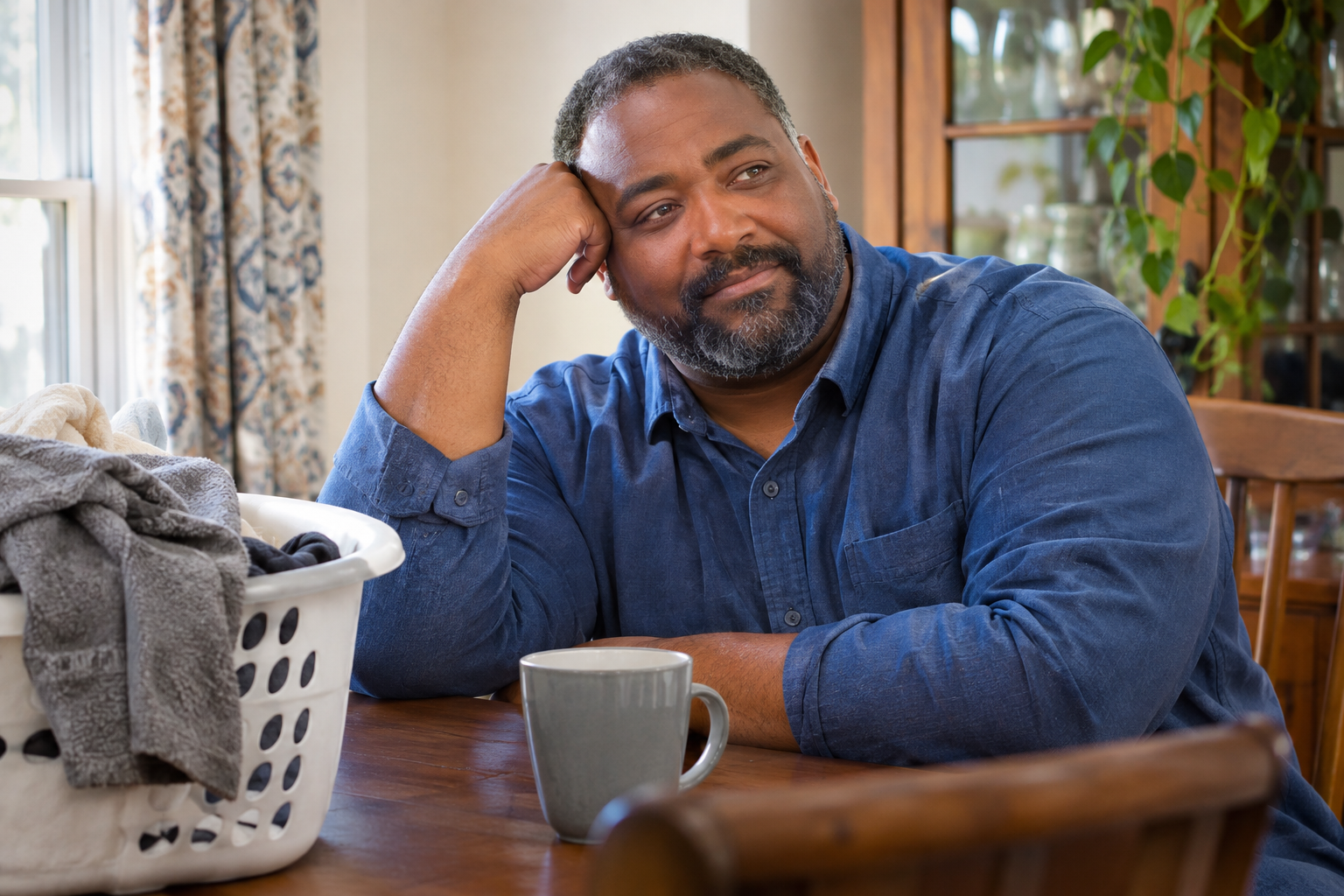
    Society hands men an unforgiving script. Be the provider, be the anchor, be physically strong, and never show weakness. When chronic illness disrupts that narrative, the emotional fallout can feel as devastating as the physical symptoms themselves.

    Living as a man with fibromyalgia or dysautonomia often means living in deep solitude. Friends ask you to help move furniture or join a pickup basketball game, and you have to decline again. Colleagues view your fatigue as a lack of drive or ambition. You sit in meetings fighting a storm of nerve pain and brain fog, desperate to preserve your professional reputation while your body screams for rest.

    The hardest part is often the internal shame. The feeling that you are failing your family because you cannot carry the heavy boxes, complete the yard work, or work sixty hour weeks. We must dismantle the idea that a man's worth is tied exclusively to his physical output or financial yield. Carrying a severe illness with dignity requires a quiet, immense strength that far surpasses lifting weights or grinding through overtime.

    Gentle Management Tips

    • Redefine strength around emotional resilience, patience, and presence rather than physical stamina or heavy labor.
    • Find safe, confidential spaces such as specialized online groups to talk openly without fear of professional judgment.
    • Delegate physical household tasks without guilt. Partnering with family members to reallocate chores preserves your energy for meaningful connection.

    Let someone share the load

    You might start with one honest sentence: "I want to help, but lifting today will cost me more than it looks." Then name something specific that would help, such as having a friend carry the groceries or sharing a household task. You do not have to offer a replacement contribution every time. Being loved is not a contract that requires you to remain useful.

  • Silent Suffering: The Mask Men Wear

    Silent Suffering: The Mask Men Wear

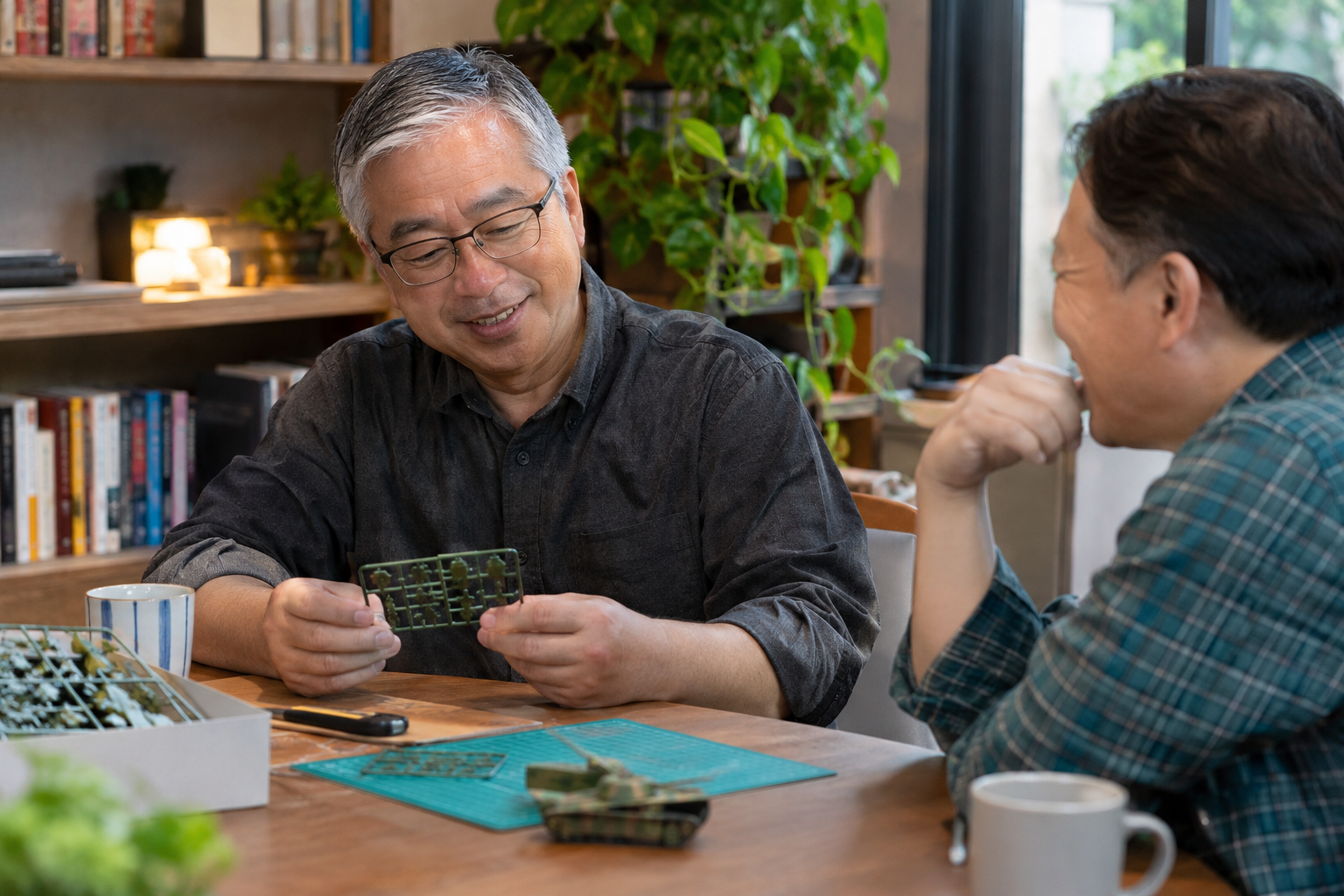
    "I am fine." It is the default response most men give when asked how they are doing, even while enduring sharp nerve pain, racing hearts, or overwhelming fatigue. From a young age, men are taught to hide physical vulnerability. Showing pain is often framed as showing weakness.

    This constant masking takes a massive toll on mental health. Maintaining a calm exterior while your internal system is struggling demands energy you cannot afford to waste. It isolates you from the people who love you and prevents you from receiving true support.

    Unmasking does not mean giving up your dignity. It means having the courage to speak truthfully about your real physical limits. Sharing what is happening can make it easier to ask for support and spend less energy pretending.

    Gentle Management Tips

    • Identify one safe person in your life with whom you can be completely honest about your daily physical symptoms.
    • Practice replacing "I am fine" with honest, low pressure statements like "I am managing a tough health day, but I am doing my best."
    • Remind yourself daily that acknowledging physical limits is a practical necessity, not a reflection of your character.

    Honesty can be brief

    You can decide how much to share and with whom. A sentence such as "I have less capacity today and need to sit this one out" gives useful information without opening every private part of your life. If someone responds poorly, that does not mean you were wrong to speak. Look for people who can hear the truth without turning it into a challenge.

  • The Weight of Expectations: Masculinity and Chronic Illness

    The Weight of Expectations: Masculinity and Chronic Illness

    Traditional ideas of masculinity often focus on physical strength, self reliance, and hard work. When chronic illness limits your physical energy and work capacity, it can challenge your sense of identity as a man.

    Redefining masculinity involves seeing strength in emotional resilience, patience, and vulnerability. True strength is shown in how you adapt to life's challenges, show up for loved ones, and care for your well being.

    Moving beyond old physical expectations lets you build a balanced, fulfilling identity that honors your current reality.

    Gentle Management Tips

    • Challenge traditional views of masculinity by prioritizing internal values like patience and kindness.
    • Connect with male peers who value open conversation about health, life balance, and personal growth.
    • Acknowledge your daily efforts to manage your health as real expressions of personal strength.

    Keep the parts of yourself that matter

    Perhaps being dependable now means communicating clearly instead of saying yes to every request. Perhaps being a good friend means listening rather than helping someone move house. You are free to decide which values you want to carry forward. You do not need to replace physical achievement with exceptional emotional strength to earn respect; ordinary, imperfect humanity is enough.