Category: Family & Parenting

  • Floor Parenting: Loving Your Children From the Ground

    Floor Parenting: Loving Your Children From the Ground

    The guilt of chronic illness parenting can feel heavy. You watch other parents chase their children around the park, host elaborate birthday parties, and spend hours at sports practice. Meanwhile, your body demands that you stay horizontal. You worry about the memories your children are forming and whether your health limitations will cast a shadow over their childhood.

    Parenting from the floor is a revolutionary act of love. Children do not need perfection, nor do they measure love in high energy activities. They measure love in presence, attention, and warmth. Lying on a blanket on the living room floor while your toddler plays with blocks beside you is meaningful parenting. Reading books, telling stories, and listening to their day while resting your body creates a deep, secure connection.

    Your children can learn that people deserve care and respect regardless of physical ability. They may also have questions or difficult feelings, and those deserve room alongside your own.

    Gentle Management Tips

    • Create a dedicated low energy activity kit filled with coloring books, puzzles, and quiet games stored near your resting area.
    • Reframe productivity by focusing on eye contact, listening, and quiet affection rather than physical excursions.
    • Be open and age appropriately honest with your children about your energy levels so they know your rest is about your body, not their behavior.

    Build a version that works for your family

    The floor is only an option if getting down and back up is safe and comfortable. A sofa, bed, or supported chair can be your place to connect instead. If symptoms affect your ability to supervise safely, bring in another responsible adult. Quiet play still needs age-appropriate supervision, and asking for backup is part of caring for your child.


  • Parenting Through the Flare: When Mum Needs to Rest

    Parenting Through the Flare: When Mum Needs to Rest

    A severe illness flare is difficult on its own. Managing one while parenting young children is one of the hardest challenges you can face. When your body demands rest, but your children need meals, attention, and care, the pressure can feel overwhelming.

    During a health flare, safety and basic care are the only true requirements. It is completely okay if screen time increases, meals consist of simple prepared foods, and the house stays messy. Your children are safe, fed, and loved, which is what matters most.

    Let go of ideal expectations during flares. Rest may be part of managing a flare, even when recovery is slow or unpredictable. A backup care plan can support both you and your children.

    Gentle Management Tips

    • Create a "Flare Day Survival Plan" ahead of time, including simple snacks, pre loaded media playlists, and easy activities.
    • Ask for help from friends, family, or neighbors to handle school drop offs or child care during tough days.
    • Lower your household standards completely during flares, focusing only on basic care for yourself and your children.

    Decide who can step in

    Write down one or two people you could contact and the kind of help you would ask for: an hour of supervision, a school pickup, or a meal. If symptoms make safe supervision difficult, arranging another responsible adult becomes the priority. Children do not need to become caregivers. A simple explanation such as "My body needs rest, and another grown-up is helping" can reassure them.

  • Parenting Young Children When You Have Brain Fog

    Parenting Young Children When You Have Brain Fog

    Parenting young children requires quick thinking, organization, and constant focus. When severe brain fog hits, managing daily routines, keeping schedules, and answering endless questions can feel challenging.

    Using visual systems, routine lists, and quiet activities helps keep your home organized even when mental energy is low. It creates structure for your children while taking pressure off your memory.

    Love, practical systems, and reliable adult support can help your family navigate foggy days.

    Gentle Management Tips

    • Set up visual routine charts for children's morning, mealtime, and bedtime schedules to reduce verbal reminders.
    • Use voice notes or quick phone lists to capture important child care tasks right away.
    • Choose quiet, engaging activities like audiobooks or coloring during moments of high cognitive fatigue.

    Use support for the safety-critical parts

    Checklists can reduce the memory load, but they do not replace reliable supervision. If fog is affecting your ability to drive, manage medicines, or keep track of a young child, ask another responsible adult to take over those tasks. Keep reminders simple and age-appropriate. Children can follow a routine without being asked to monitor a parent’s health or carry adult responsibilities.

  • Gentle Parenting on Low Energy Days

    Gentle Parenting on Low Energy Days

    Low-energy parenting can bring a particular kind of ache: you want to be present, but your body needs less noise, less movement, and more rest. A quieter day can still contain warmth, connection, and dependable care.

    Make a small menu of togetherness

    Keep a few options that work from a supported seat: reading aloud, listening to an audiobook, drawing side by side, or letting your child tell you the story behind their toys. A familiar show together can also be a practical choice. You do not have to make every hour educational.

    Try a simple explanation: “My body needs a slower day. I still want to spend time with you. Would you like a story or some drawing?” Offer choices that are actually manageable for you.

    Ask adults for adult help

    Children can have age-appropriate household roles, but they should not become responsible for managing your symptoms or keeping you medically safe. If you may faint, need to sleep, or cannot supervise safely, arrange another responsible adult where possible. Keep medicines and other hazards secured even when resting spaces change.

    Food, safety, affection, and enough structure for the day are meaningful priorities. Elaborate activities can wait. If guilt arrives, imagine how you would speak to another parent in the same situation. Your child does not need a parent who never needs care; they need relationships where care and limits can coexist.

  • Talking to Kids About Chronic Illness

    Talking to Kids About Chronic Illness

    Children often notice changes before adults find the words to explain them. They may see you resting more, canceling plans, or needing help and create their own explanation. A simple, honest conversation can give them a steadier place to stand.

    Use words that fit their age

    You might say, “I have an illness that sometimes makes my body tired and sore. It is not because of anything you did.” Explain what they are likely to notice today: a quieter afternoon, another adult doing pickup, or a different bedtime routine.

    Avoid promises you cannot make, such as saying you will definitely feel better tomorrow. “We have a plan for tomorrow, and we can change it if we need to” offers reassurance without pretending symptoms are predictable.

    Leave the responsibility with adults

    Let children ask questions and have feelings, including frustration or disappointment. They do not need to cheer you up or monitor your health. Identify the grown-ups who can help and explain any household emergency plan in an age-appropriate way.

    Return to the conversation in small pieces instead of trying to cover everything at once. A child may ask the same question several times while making sense of the answer. Your family can hold both truths: illness changes some things, and love remains available in many forms. A short conversation on the sofa can be a meaningful part of that care.

  • Balancing School Runs and Fatigue

    Balancing School Runs and Fatigue

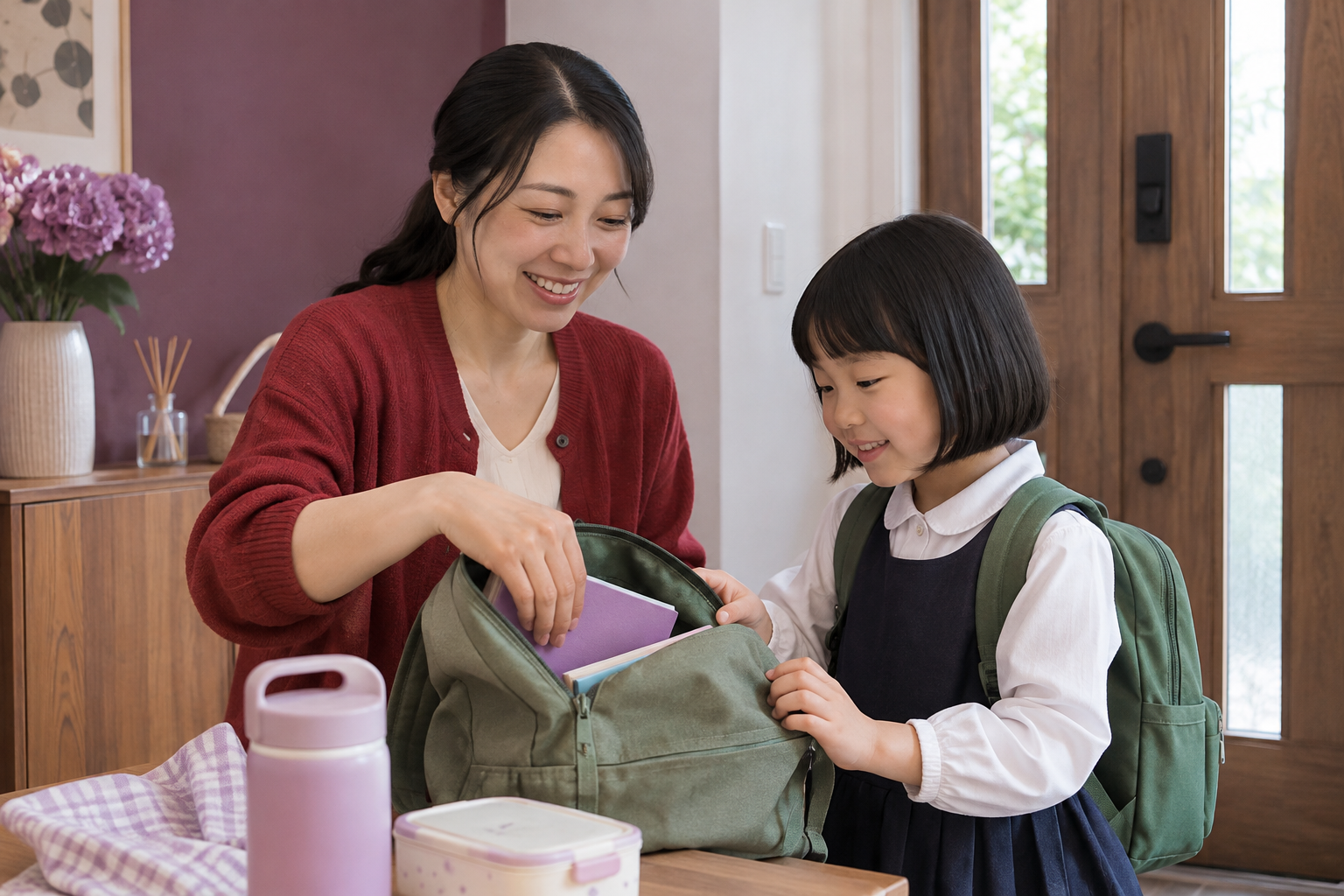
    School mornings can be demanding before anyone leaves the house. Bags, shoes, breakfast, time pressure, and transport all compete for limited energy. A simpler routine can help, but it also needs a backup for days when you are too unwell to manage the journey.

    Move decisions out of the rush

    Keep school essentials in one accessible place. When possible, prepare clothing and check bags earlier, with age-appropriate help from your child. A short visual checklist may be easier than repeating instructions while you are tired.

    Choose a dependable simple breakfast and leave optional tasks for later. The morning does not need to include a tidy kitchen or a perfect lunch arrangement to be a successful start.

    Make transport safety the priority

    Do not drive when you feel faint, dangerously sleepy, cognitively impaired, or affected by medication in a way that makes driving unsafe. Arrange a trusted adult, approved school transport, or another appropriate backup where available. Ask the school about options before a difficult morning becomes urgent.

    If you need to rest while waiting, choose a safe, temperature-controlled place with appropriate supervision for your child. A parked car can become dangerously hot. Needing help with school runs is not a measure of your commitment as a parent. It is one of the practical ways a family can respond to changing health.