Category: Dysautonomia and POTS

  • When Standing Up Is a High Intensity Workout

    When Standing Up Is a High Intensity Workout

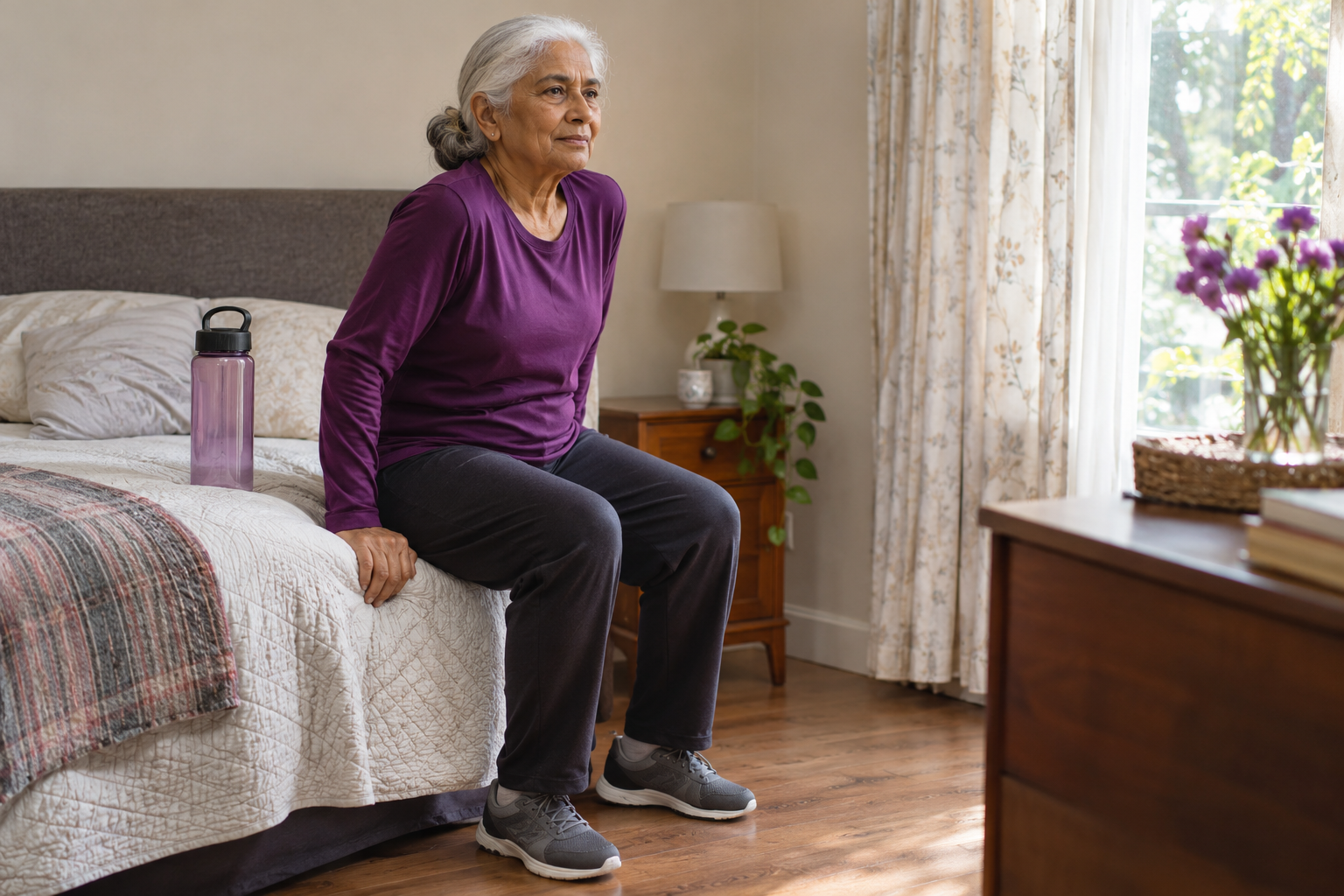
    Standing up can look like the smallest part of someone else's morning. With POTS, it may be the moment your day becomes difficult. A racing heart, lightheadedness, nausea, or weakness can turn getting a drink into something that needs planning. You do not need to compare your symptoms with an athlete's workout to deserve a chair and a slower start.

    There is also the work nobody sees: checking whether there is somewhere to sit, wondering how long a queue will take, and deciding whether a shower is manageable. Those calculations can wear you down before the visible task even begins.

    Give yourself a safer starting point

    Keep regularly used items within easy reach and allow room to change positions gradually. If you feel faint, prioritize getting safely seated or lying down rather than trying to remain upright. Ask your clinician about a personalized plan for orthostatic symptoms; salt, fluids, compression, and movement recommendations are not the same for everyone.

    Make access part of the plan

    You can ask, "Is there a seat available while I wait?" without giving a full medical history. At home, a stable chair near grooming supplies may remove one unnecessary standing task. On a difficult morning, asking someone to bring breakfast is a practical adjustment, not a test you failed.

    Your capacity may change from day to day. A plan that worked yesterday can need changing today, and that does not make your symptoms less real.

    Further reading: Johns Hopkins Medicine: POTS.
  • Floor Exercises and Gentle Movement for Dysautonomia

    Floor Exercises and Gentle Movement for Dysautonomia

    When standing activity brings dizziness or a racing heart, conventional exercise advice can feel far removed from daily life. You may want to move and also worry about what will happen afterward. Both feelings deserve room in the conversation.

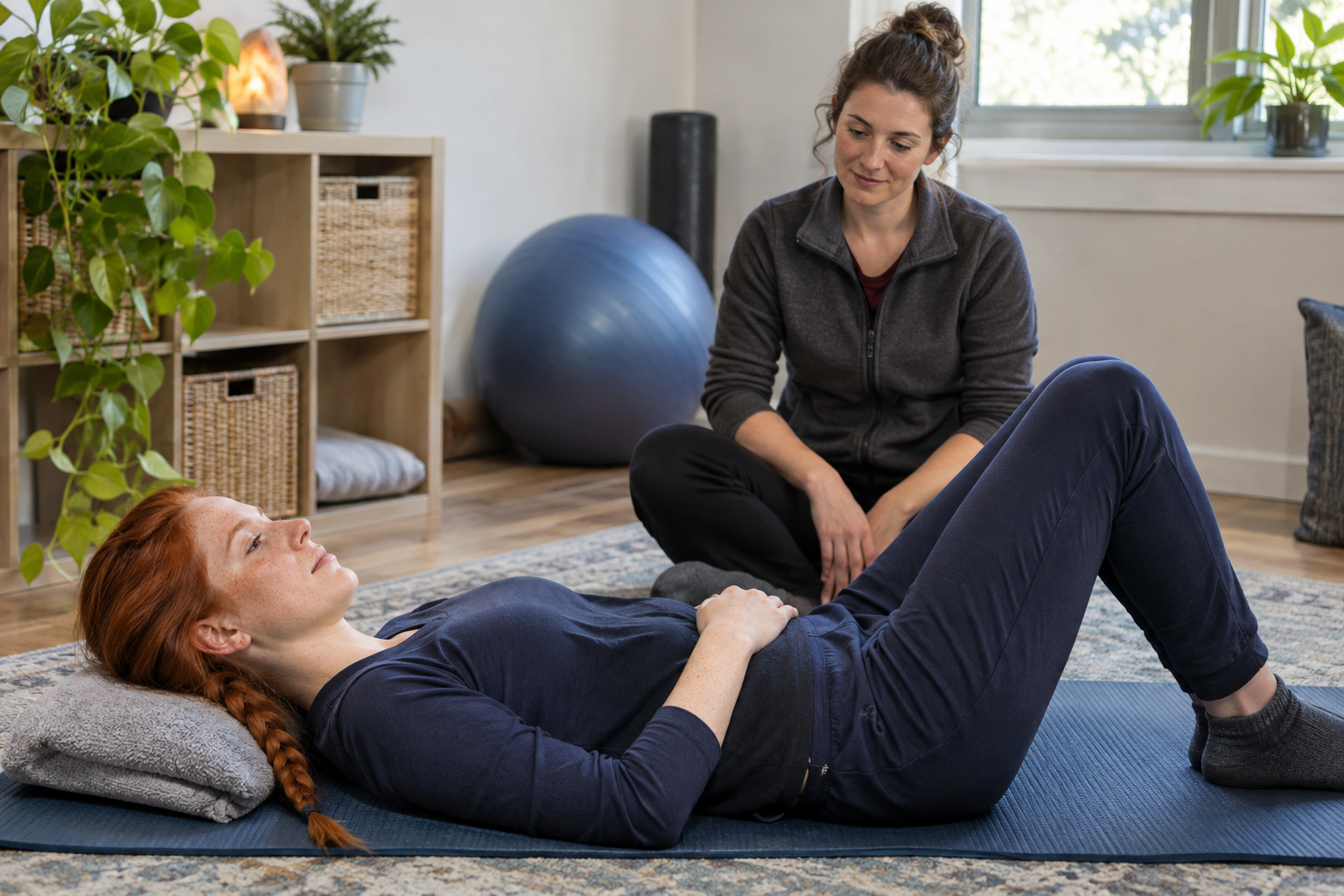
    Some people with POTS work with clinicians on seated or recumbent activity. Being closer to horizontal does not guarantee a stable heart rate or make every movement safe. A rowing machine is not the same as lying down, and floor transfers can be demanding in their own right.

    Start with an individualized discussion

    Ask what kinds of activity, if any, fit your symptoms and other conditions. Describe not only how you feel during movement but also what happens later. If you experience post-exertional malaise, that needs to shape the plan; a fixed progression that ignores delayed worsening is not appropriate.

    There is no exercise list everyone with dysautonomia should complete. Your starting point may involve very little activity, support with transfers, or a period of reducing demands. You do not have to begin with bridges, leg lifts, or a particular machine.

    Give yourself permission to stop

    Follow the symptom guidance agreed with your healthcare team, and stop if you develop concerning symptoms. Keep a way to call for help and consider whether the setting is safe for you.

    Movement should not become a test of determination. A useful plan respects your current capacity and can change when your body needs something different.

    Further reading: Johns Hopkins: Individualized POTS care.

    For activity-related symptom worsening, see CDC guidance on PEM and pacing.

  • Surviving the Heat: POTS and Summer Struggles

    Surviving the Heat: POTS and Summer Struggles

    Warm weather can change an ordinary outing into a careful calculation when you live with POTS. Heat may worsen symptoms, and a short queue in the sun can feel very different from a short queue indoors. Wanting a cooler place to sit is a practical access need.

    Plan for a place to pause

    Before going out, consider where you could sit, cool down, or leave early. An indoor alternative may be the best option. Cooler times of day can help with planning, but they do not guarantee that an activity will be tolerable.

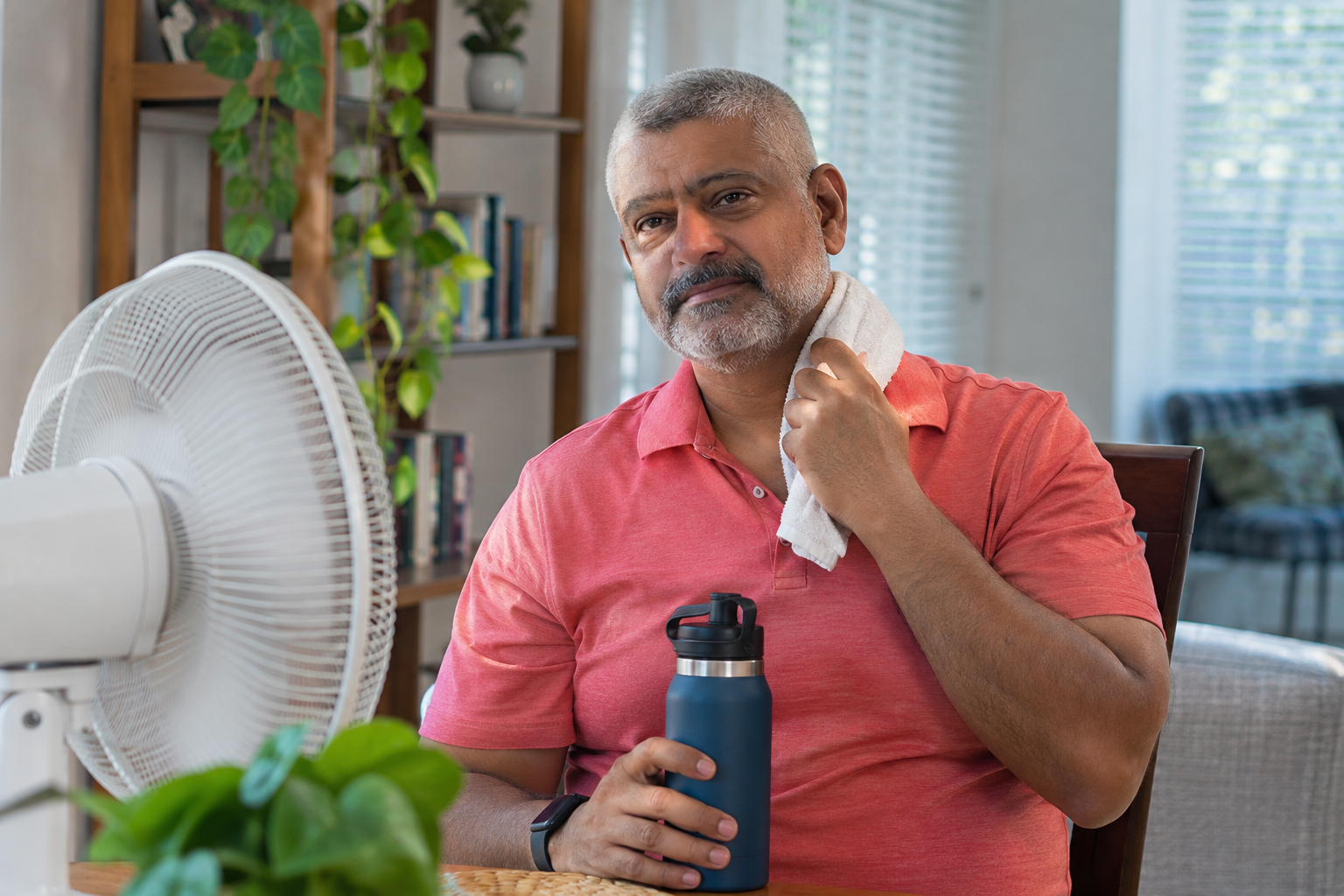
    Light clothing and a portable fan may be useful if they suit you. Follow the instructions for cooling products and protect your skin rather than putting ice directly against it. Keep your usual care supplies accessible without carrying more than you can comfortably manage.

    Follow your own care plan

    Fluid and salt recommendations should come from your healthcare team, especially when other conditions or medicines affect what is appropriate. More is not automatically better. If symptoms begin, move to a safer, cooler place and get help when needed rather than trying to finish the outing first.

    It can be disappointing to change a summer plan. A friend can help by offering an air-conditioned visit or accepting an early departure without making it a debate. You deserve to participate in ways that respect your limits, including choosing to stay home when that is the right option for you.

    Further reading: Johns Hopkins Medicine: POTS.
  • Showering with POTS: Practical Tips for Low Energy Bathing

    Showering with POTS: Practical Tips for Low Energy Bathing

    Showering can take far more energy than its place on a morning checklist suggests. Standing, reaching, heat, and getting dry afterward may all add demands. With POTS, the bathroom can be a place where you need a more deliberate plan.

    Make the setup safer

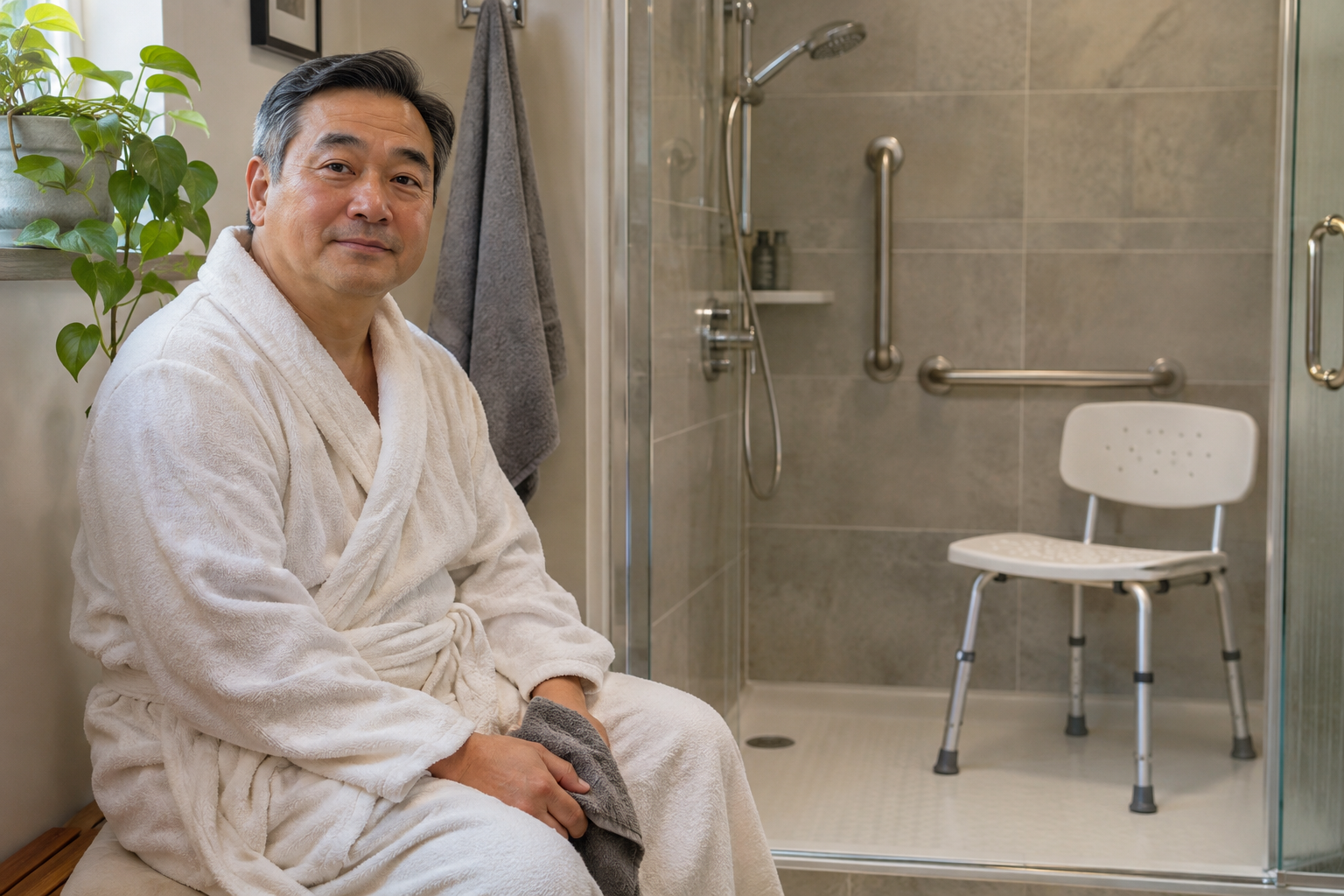
    A shower chair or bench designed for that purpose may help reduce standing. Choose equipment that fits the space and your needs, follow its instructions, and seek occupational therapy or other qualified advice if transfers or balance are difficult. A household stool is not automatically suitable for a wet shower.

    Keep frequently used items within comfortable reach and avoid climbing or stretching for them. Consider water temperature and ventilation as part of your individual symptom plan. If you begin feeling faint, prioritize safety and assistance rather than finishing your hair wash.

    Separate the steps

    Washing your body and washing your hair do not always need to happen together. A seated wash at the sink may be an alternative on some days. Put clothes, a towel, or an absorbent robe nearby so there is less to organize afterward.

    If you are at risk of fainting, discuss a bathing safety plan with your healthcare team and a trusted person. Privacy matters, and so does having a way to call for help.

    Adapting personal care is not giving up on yourself. You are allowed to choose the version that is safer and more manageable today, even if it looks different from your old routine.